If you’ve ever seen a painting crew enter a house or a project site, you might notice that practically everyone is wearing white right away. White is now the color that painters wear most of the time, from their jeans to their shirts to their overalls. But Why Do Painters Wear White? Is it just a custom? Is there a useful explanation for it? Or is it just a habit that won’t go away?
The truth is that it’s a combination of all of these things. Painters didn’t just choose white at random. As time went on, the hue became part of the painter’s white tradition, the culture at work, safety, comfort, and even developing trust with homeowners. The reasons are both practical and surprisingly complex when you look further.
Let’s go over the whole story, starting with how white got into the trade and why it is still important now.
Table of Contents
ToggleA Brief History: White as a Sign of the Trade
For hundreds of years, painters have worn uniforms. Before there were contemporary paints and safety restrictions, painters mostly used white materials like plaster, lime, putty, and early primers. Every day, these things made a fine white dust that got on their clothes. Because the materials were light-colored, painters naturally started wearing white clothes to disguise the dust.
In the 18th and 19th centuries, paint teams commonly applied a powdery white covering called limewash. It would stick to anything the workers wore. Dark clothes got dirty quickly, but white clothes disguised the dirt better. White was useful, but it also started to symbolize something.
Early labor groups and unions chose white as a show of professionalism as painting became a skilled occupation. Painters stood apart from carpenters, masons, metalworkers, and other trades by wearing white. Everyone knew you were part of the painting crew if you wore white.
The look stayed the same throughout time. Wearing white clothes became a sign of honor and a way to show that you were trained, experienced, and part of a lengthy heritage. Even if you can now get paint in any hue under the sun, white apparel is still one of the greatest emblems in the painting business.
Reasons Why Painters Always Wear White
Even today, painters aren’t required by law or industry rules to wear white. But many still choose it and not just because it’s tradition.
Let’s explore the major reasons behind this iconic uniform.
1. White Blends With Common Painting Materials
Before bold colors and modern paints became popular, most prep work involved white materials spackle, primer, plaster, putty, and even the early versions of paint. When these splattered onto painter’s clothes, it didn’t look messy.
Painters quickly learned that wearing white meant they didn’t have to worry as much about stains. Even now, paint splatter and white clothes go together surprisingly well. When a bit of white primer lands on white pants, it’s barely noticeable.
2. White Shows Cleanliness
Painters are trusted to come into homes, protect furniture, cover floors, and use neat techniques. Clean white clothes help show customers that their painter takes the job seriously.
Dark clothes would instantly highlight dust, dried paint, and debris. White, on the other hand, gives off a clean vibe and clients love that.
3. White Makes Painters Easy to Spot
Painting often happens in busy spaces job sites, commercial buildings, or areas with multiple workers from different trades. When painters are in white, they stand out from carpenters, electricians, and plumbers who usually wear darker workwear.
This improves painting safety and uniform colour visibility and makes communication easier on the site.
4. White Helps With Heat
Painters spend a lot of time outdoors, especially during warmer months. So here’s a simple but important reason: Does white help painters stay cool?
Yes, absolutely.
White reflects sunlight and heat better than dark colors. Since painters are often moving around in the sun or working in rooms with limited ventilation, the lighter color helps keep them cooler and more comfortable.
5. It’s Easy to Clean and Maintain
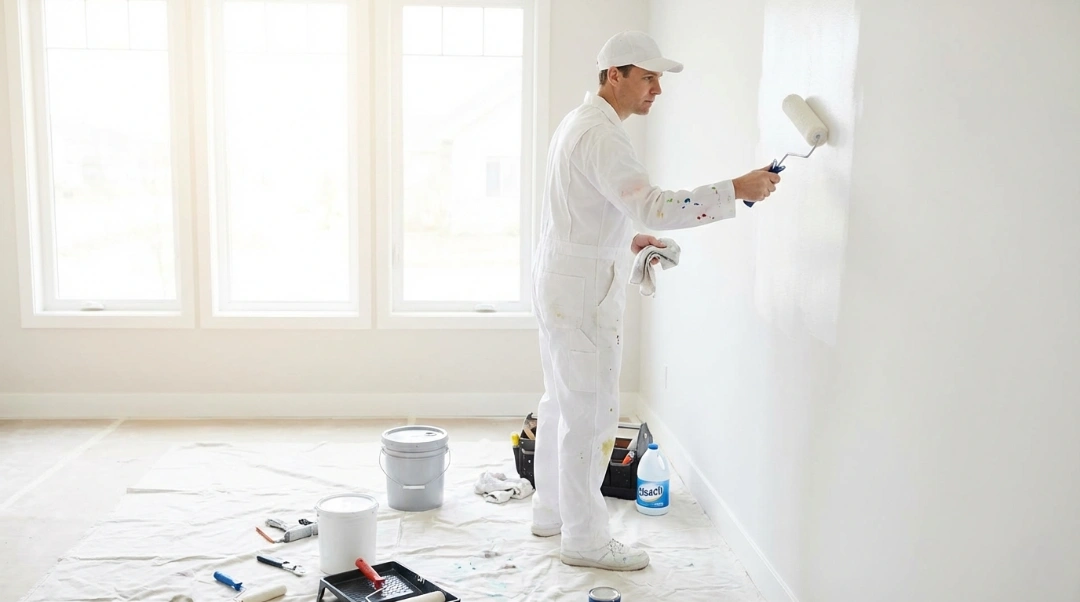
One thing painters deal with a lot is stains. White clothing is easier to bleach than any other color. Painters can wash their uniforms with strong cleaning products without worrying about fading or discoloring the fabric.
Even after messy jobs, white outfits can be restored more easily than darker clothes. This makes white a cost-effective choice for working painters.
Practical Reasons Painters Still Choose White
Sure, tradition plays a big role, but modern-day painting comes with its own challenges. And white continues to solve many of them.
Easy to Match and Replace
Painter clothes don’t last forever. They get worn down from climbing ladders, kneeling, and scraping walls. White is simple to replace pants, shirts, hats, and overalls are widely available in the painting industry.
Makes Job Quality More Visible
Believe it or not, white helps painters see what they’re doing. If dark fibers or dust fall onto fresh paint, it stands out right away. This helps painters spot imperfections fast and fix them.
Sets a Professional Standard
Dark clothes show lint, dust, dried paint, and streaks. White clothing shows fewer flaws in many cases and keeps painters from looking like they just walked through a storm of drywall debris.
Customers appreciate a crew that looks sharp and put-together. White uniforms give a consistent, trustworthy appearance.
Works Well With Most Paint Colors
If a painter is working with bright shades like red, blue, or green, white clothing won’t reflect color onto surfaces while they’re painting. Dark colors can sometimes create reflections or shadows that affect how the paint looks. White keeps everything neutral.
Symbolism: White as a Sign of Cleanliness and Trust
White is more than a color it’s a message.
In the painting world, white clothing quietly communicates the symbolism of white clothing in the painting trade:
- Cleanliness
- Transparency
- Professionalism
- Respect for the space
- Neat work habits
When customers see painters arrive in white, it signals that the crew is careful, tidy, and organized. In service industries, trust is everything. White uniforms help create that trust before the first brushstroke even hits the wall.
Painters know this, which is why many companies still make white their official uniform color.
The Benefits of Wearing White Clothing During House Painting
There are many benefits of white clothing for painters, especially when working in residential spaces. Here are some of the biggest advantages:
1. Helps Maintain a Clean Look
During a painting job, prep work makes the biggest mess. White clothing hides dust and dry materials, helping painters look cleaner through the day.
2. Supports Professional Branding
A uniformed crew builds trust. Whether you run a solo painting business or a larger team, showing up in clean white clothing strengthens your brand image.
3. Makes Teams Easy to Identify
Homeowners often have multiple contractors working at once. Painters in white are easy to spot, which helps homeowners know who to ask about colors, finishes, or touch-ups.
4. Reduces Heat Absorption Outdoors
White clothing reflects sunlight, helping painters stay cooler during exterior and summer jobs. Comfort means better focus and fewer mistakes.
5. Helps Prevent Visual Distractions for Painters
Believe it or not, darker clothes can distract painters because splatters show so loudly. White clothing keeps the visual field clean so painters can focus on their brushwork.
Does White Work Everywhere? Do all painters wear white today?
While the white uniform is iconic and traditional, the answer to Do all painters wear white today is a clear no. The world of painting has changed, and so have some of the uniforms.
Modern Exceptions
Many modern commercial painting companies now use colored uniforms for their employees, typically gray, navy blue, or even the company’s branded color. Why the shift?
- Fabric Technology: Modern synthetic fabrics are highly breathable and moisture-wicking, offering many of the same cooling benefits of white clothing for painters without relying solely on color reflection.
- Branding: A navy blue shirt with a bright company logo often looks sharper and more professional to a corporate client than a plain white shirt. This is a business decision based on marketing.
- Modern Stains: When working with dark primers, sealants, or oil-based paints, a darker uniform can be far more practical to hide inevitable stains that simply won’t wash out.
- Specialized Jobs: Industrial painters, who might work with highly corrosive or pigmented materials, often wear safety colors like bright orange or yellow, or specialized chemical-resistant overalls that prioritize painting safety and uniform colour over tradition.
Even now, many people wonder why house painters wear white. This is because it is still the best color for high-end domestic work because it makes the homeowner feel clean and trustworthy. The white uniform links a modern painter to hundreds of years of skill and respect for the trade.
Conclusion
So, Why Do Painters Wear White? The answer is a mix of history, comfort, safety, trust, and tradition. In the early days of painting, workers wore white uniforms since they worked with lime, plaster, and other white materials. The ritual became a part of the trade’s identity throughout time. White still helps painters stay cool, look clean, be seen, and work with confidence in homes and on job sites today.
If you’re a homeowner searching for reliable painting help and want a team that values professionalism, skill, and tradition, you can count on Seattle Painting Expert. For our full range of services, visit our page on House Painting Services in Seattle.
FAQs
Why do painters wear white instead of darker colors?
White hides dust, primer, and plaster better than dark clothes. It also keeps painters cooler and gives a clean and professional appearance.
Is the tradition of wearing white still important?
Yes. The painter’s white tradition is a strong part of the industry. Many painters feel that white shows skill and professionalism.
Do modern painters still wear white?
Many do, especially house painters but not all. Some wear branded shirts or darker colors depending on the job and company policy.
Does white help painters stay cool outdoors?
Yes. White reflects sunlight and heat, making outdoor jobs more comfortable.
Why do painters like white pants and overalls?
They’re easy to bleach, hide job-site dust, look professional, and follow long-standing painting traditions.
Is white required for safety?
Not required,but it helps with painting safety and uniform colour, making painters more visible on busy worksites.
Why do house painters wear white specifically?
Because it matches the prep materials used inside homes, looks clean, and makes clients feel reassured that the job will be done professionally.