When you’re painting a room, you may not think about what’s inside the paint. But paint can release gases called volatile organic compounds, or VOCs. These gases can affect indoor air quality, especially right after painting. That’s why many people ask “What Is VOC Paint?” and whether it’s safe to use inside a home. Understanding VOC paint, the difference between low-VOC paint and zero-VOC paint, and how long the smell lasts can help you make smarter choices.
In this post, we’ll explain everything in a simple way so you can pick paint that keeps your home healthy and comfortable.
Table of Contents
ToggleWhat is VOC paint?
VOC paint is any paint that contains volatile organic compounds. These are carbon-based chemicals that easily turn into vapors or gases at room temperature. In the world of painting, these compounds act as solvents. They help the paint stay liquid in the can and help it spread smoothly onto your walls.
Once the paint is on the wall, these chemicals begin a process called paint off-gassing. This means the chemicals leave the paint and enter the air you breathe. Common VOCs found in traditional paints include chemicals like formaldehyde, benzene, and toluene.
While these chemicals help the paint dry and last a long time, they come with health risks. Breathing in paint fumes and health effects associated with them can lead to immediate problems like headaches, dizziness, and itchy eyes. Over a long time, they can even cause more serious issues. This is why many homeowners are now looking for eco-friendly paint alternatives.
VOC Levels and Standards
When you look at a paint can, you might see a number followed by g/L VOC measurement. This stands for grams per liter. It tells you exactly how much of these organic compounds are in the paint.
The government and groups like the EPA set rules for these levels to protect us. As of 2026, the standards have become even stricter to improve indoor air quality. Generally, for a paint to be considered “safe” or “low-emitting,” it must fall below certain limits:
- Flat Paints: These usually must have less than 50 g/L.
- Non-Flat (Satin/Gloss): These can have up to 100 g/L but are moving toward lower limits.
- Specialty Coatings: Some heavy-duty paints have higher limits, but these are rarely used inside homes.
When you Choose Inter Color painting LLC for your projects, we prioritize these standards to ensure your space is as clean as it is colorful.
What is Low VOC Paint vs Zero VOC paint?
It can be confusing when you see different labels at the store. Let’s break down the three main types of “safer” paints you will find:
Low-VOC Paint
Low-VOC paint is a huge improvement over old-fashioned oil-based paints. These products use water as a carrier instead of harsh petroleum solvents. By law, they must contain significantly less than the standard 250 g/L found in traditional paints. Most high-quality low-VOC options today sit comfortably below 50 g/L. They have less odor and are much better for your lungs.
Zero-VOC Paint
Zero-VOC paint (sometimes called no-VOC paint) is the gold standard for health. To use this label, the paint must have less than 5 grams of VOCs per liter. This is such a small amount that it is considered “zero” by most experts.
Pro Tip from the Experts: Even if a paint starts as “Zero-VOC,” adding color tints at the store can sometimes add small amounts of VOCs back in. If you want the purest air possible, ask for “Zero-VOC Colorants” as well.
No-VOC Paint
No-VOC paint is often used interchangeably with zero-VOC. These paints are perfect for people with allergies, asthma, or those who simply want to avoid paint fumes and health effects entirely. They are the ultimate eco-friendly paint alternatives for a modern, sustainable home.
How long do VOCs last after painting?
One of the biggest myths in home improvement is that once the paint is dry to the touch, the danger is gone. This is not true. There is a big difference between the “drying” time and the paint curing and off-gassing period.
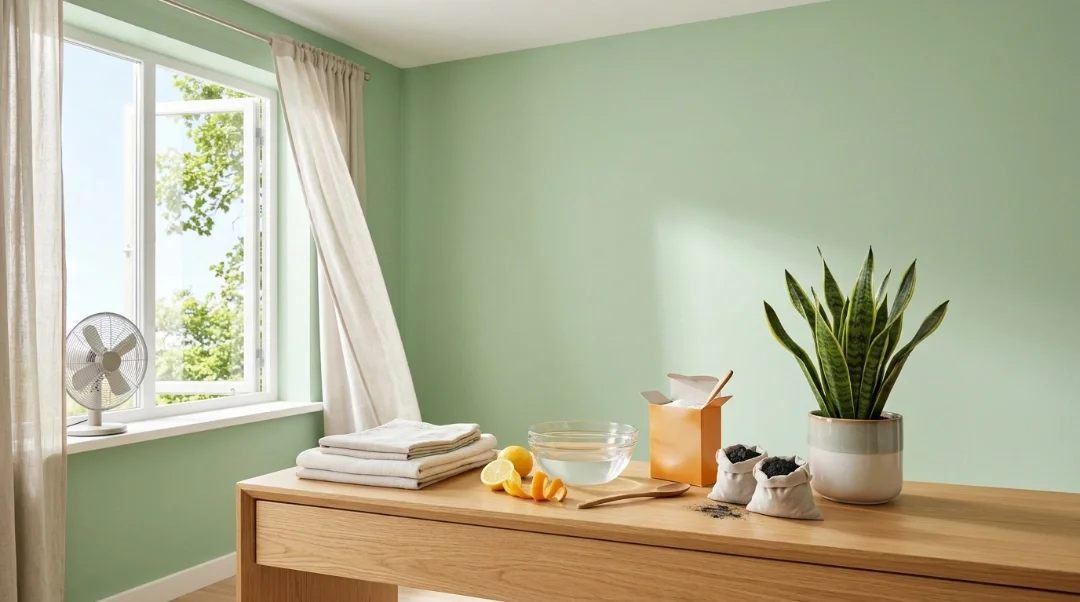
- The First 48 Hours: This is when the smell is strongest. The liquid solvents are evaporating quickly. You should keep windows open and use fans during this time.
- The Curing Phase: Even after the paint feels dry, it is still “curing.” This is a chemical hardening process that can take 14 to 30 days. During this month-long window, the paint continues to release low levels of VOCs into your home.
- Long-Term Off-Gassing: In some cases, especially with cheap or older oil-based paints, tiny amounts of chemicals can be released for months or even years.
To speed this up, keep your home well-ventilated and maintain a steady temperature. If you are worried about the air in your home after a big project, you can always Contact Us for a professional consultation on the best materials to use for a quick and safe return to your room.
Is low VOC paint safe during pregnancy?
While low-VOC paint is much safer than traditional paint, the general advice from health experts is to stay cautious. During pregnancy, your body is more sensitive to smells and chemicals.
- Avoid the First Trimester: If possible, do not do any painting during the first three months when the baby’s organs are developing the most.
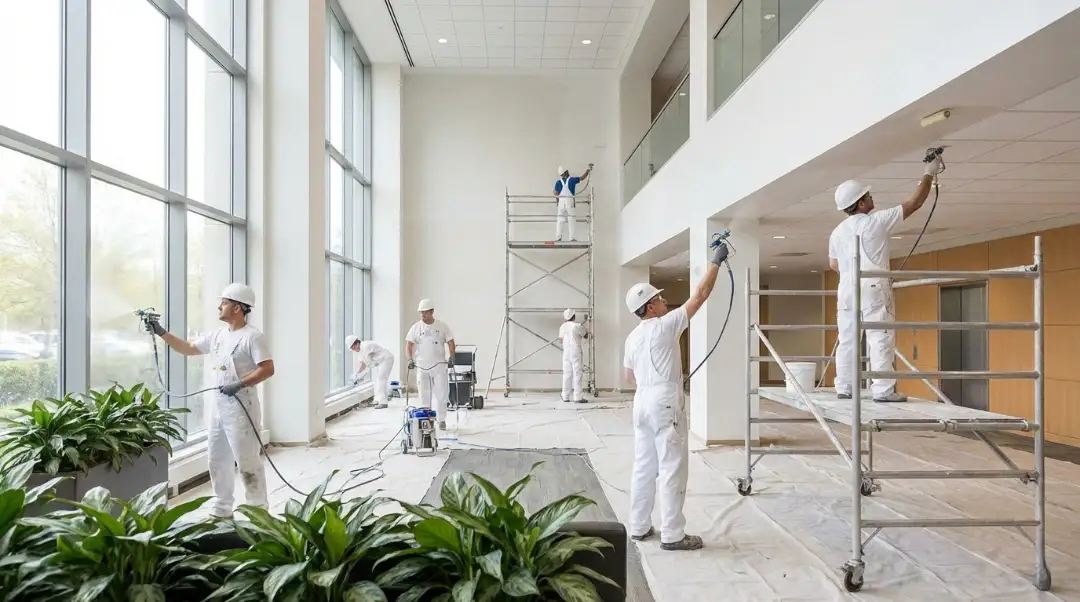
- Let Someone Else Do the Work: This is the perfect time to hire professionals. You can leave the house while the work is being done and return once the initial paint off-gassing has finished.
- Choose Zero-VOC: If you must be near the project, always choose zero-VOC paint. It has the least amount of volatile organic compounds and almost no smell.
- Ventilation is Key: Always keep the windows open. Even “safe” paint needs fresh air to help it cure properly.
By following these steps, you can create a beautiful nursery without worrying about indoor air pollution affecting your little one.
Final Thoughts
Now that you know “What Is VOC Paint?”, you can make better decisions for your home. VOCs are chemicals in paint that can affect indoor air quality, especially during the paint curing and off-gassing period. Choosing low-VOC paint or zero-VOC paint can reduce exposure and lower health risks.
If you want the safest results, choose zero-VOC paint and ventilate the room well. If you are pregnant or have breathing issues, it’s best to avoid painting the room yourself and to wait until the paint has fully dried.
If you want professional painting help or want to ensure your home stays healthy while painting, you can Contact Us to discuss safe paint options and a quality finish.
FAQs
Are VOCs in paint harmful?
Yes, VOCs in paint can be harmful, especially in high amounts or with long exposure.
They can irritate the eyes, nose, and throat, cause headaches, and trigger asthma or allergy symptoms. In poorly ventilated rooms, VOCs can build up and lower indoor air quality.
How do I know if my paint has VOC?
You can check the paint label or product data sheet. Look for VOC or g/L (grams per liter).
If the number is high, the paint contains more VOCs. If it says low-VOC, zero-VOC, or no-VOC, it contains fewer or almost no VOCs.
What does 80% VOC mean?
80% VOC means the paint contains a high amount of volatile organic compounds.
It usually refers to the amount of VOCs compared to a standard or limit. A higher percentage means stronger fumes and longer off-gassing. It’s not a safe choice for indoor use without strong ventilation.
What paints are VOC free?
True VOC-free paint is rare, but zero-VOC paint is the closest and safest option.
Look for paints labeled zero VOC or no VOC, and choose brands with Green Seal or GREENGUARD certification for the cleanest indoor air.
Is it safe to sleep in zero VOC paint?
It is generally safe to sleep in a room painted with zero-VOC paint once the paint is fully dry and the room is ventilated.
However, some zero-VOC paints still have mild odor from additives. It’s best to wait 24–48 hours and keep windows open before sleeping in the room.