You already know your deck needs some work if it looks worn, faded, or just plain sad. But when you stand in the paint aisle and look at a lot of cans, it’s easy to get confused. What is the best deck paint? That’s the question every homeowner asks at some point, and the answer isn’t just about choosing a colour. The type of wood, the weather, how many people walk on it, and how long you want the finish to last all matter. This guide makes it easy to understand everything you need to know about choosing between enamel and latex formulas, a solid stain and a waterproof coating, and more.
By the time you finish reading, you’ll know exactly which type of deck paint fits your situation, what professional painters look for, what the most popular colour paint for decking options are in 2026, and how to avoid the costly mistakes most people make when painting decks. Let’s get into it.
Why Choosing the Right Deck Paint Matters
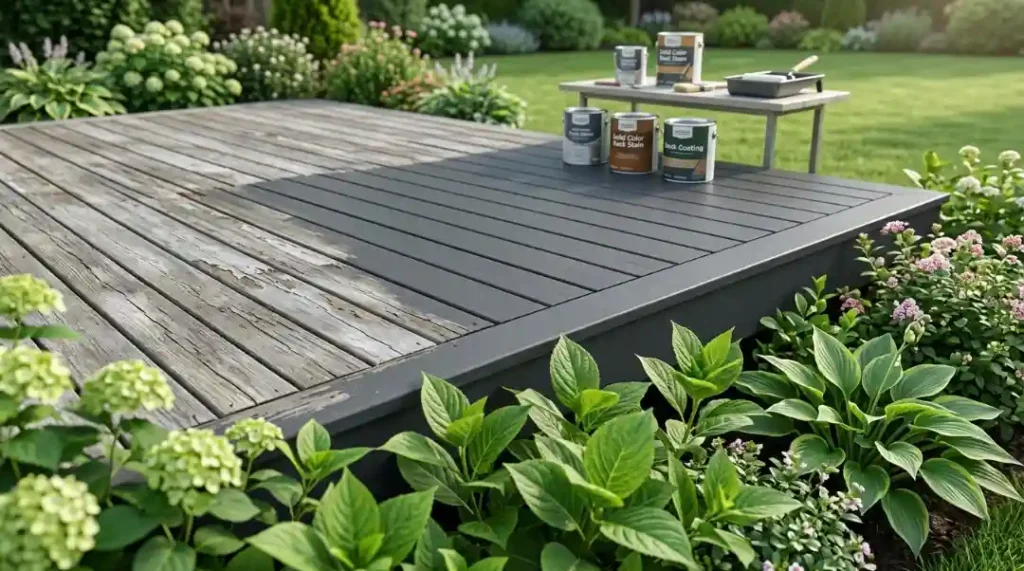
Your deck is always being attacked. The wood expands and contracts every day because of the hot summer sun and the cold winter rain. If you choose a bad color paint for your deck, it will crack when you put pressure on it. It’s not just about the colour when you choose a product; it’s also about protecting your wood deck.
A good paint protects things. It protects the wood from UV rays so the fibres don’t fade and keeps moisture out so the wood doesn’t rot. When you buy professional deck paint brands, you’re basically putting a waterproof layer on your home. At Inter Colour Painting LLC, we know that making the right choice can add ten years to the life of a deck.
Types of Deck Paint Explained
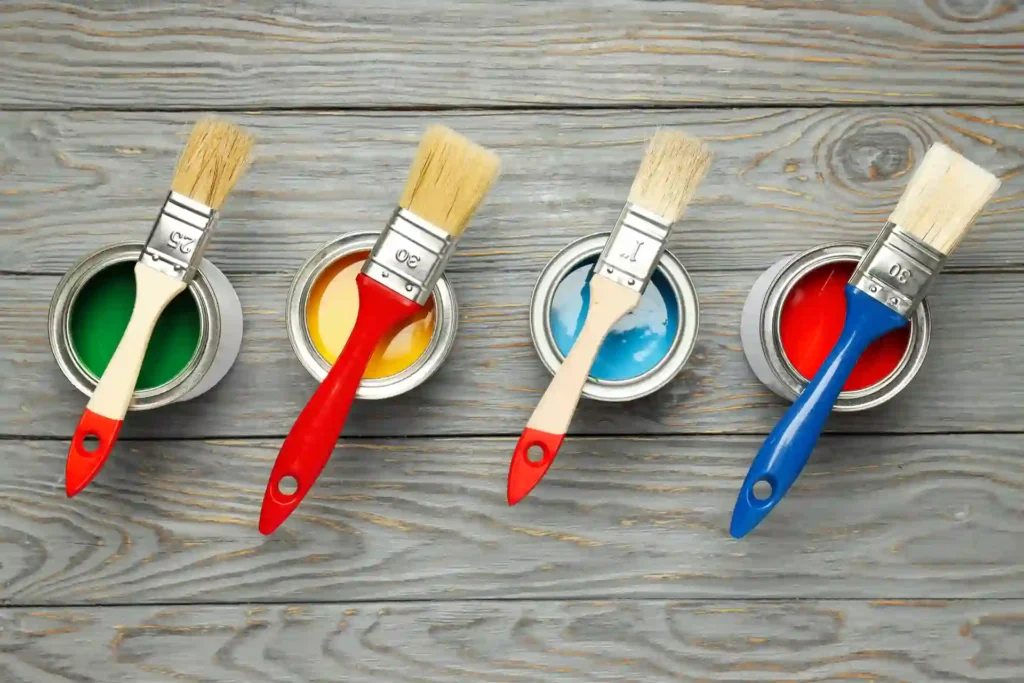
Not every product labeled “deck paint” is the same. Understanding the main categories helps you choose smarter.
Latex (Water-Based) Deck Paint
Latex deck paint is the most popular choice for homeowners. It dries faster, cleans up with water, and has lower fumes than oil-based products. Modern latex formulas offer excellent UV protection and moisture resistance, making them a solid choice for most climates. They are also more flexible when temperatures change, which reduces cracking over time.
Oil-Based (Alkyd) Deck Paint
Oil-based paints get deeper into wood fibres, which makes them stick better and last longer. The trade-off is that it takes longer to dry, smells worse, and needs solvents to clean up. They work really well on older decks with rough or porous wood because the formula soaks in instead of sitting on top.
Enamel vs Latex: Which Is Right for You?
When people ask about enamel vs. latex for decks, the answer is usually hardness vs. flexibility. Enamel paints dry to a very hard, smooth finish that doesn’t get scuffed or stained easily. This makes them great for stairs and other areas that get a lot of use. Latex paints bend a little when the wood expands and contracts with changes in the weather. This keeps the paint from cracking. A high-quality latex formula is the safer long-term choice for most wood decks.
Solid Stain vs Deck Paint
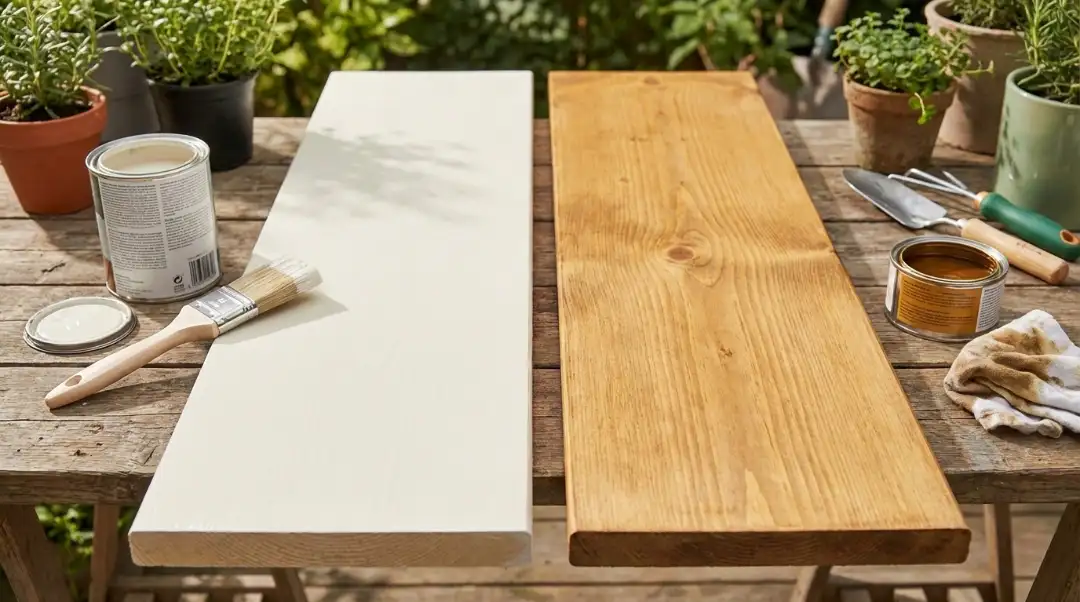
Solid stains are sometimes marketed like paint but they behave differently. They soak into the wood more than they coat it, which allows the grain texture to show through slightly while still providing full color coverage. Deck paints form a complete film on top of the wood. Both can look great, but paints typically last longer on high-traffic surfaces because they create a thicker protective barrier.
Textured (Non-Slip) Deck Paint
Textured deck coatings have tiny particles, usually silica sand, that make the surface slip-resistant. This is especially important for stairs, pool decks, or any other surface that gets wet a lot. Many textured formulas also protect against UV rays very well and are rated for heavy foot traffic.
How to Choose the Best Deck Paint for Your Situation
There is no single product that works perfectly for every deck. Here are the key factors to think through before you buy.
Consider Your Climate
If you live in a rainy region like the Pacific Northwest, moisture resistance and mildew-resistance are your top priorities. In hot, sunny climates like Arizona or Texas, UV protection becomes critical. In areas with cold winters, look for a formula specifically rated for freeze-thaw cycles, as this prevents the paint film from cracking when the wood expands in the cold.
Assess the Deck’s Age and Condition
Not all paints work well with treated wood, so a new deck made of pressure-treated wood needs one that does. Old decks that are weathered and have boards that are splitting can benefit from penetrating formulas that fill in surface damage. If there is already paint on the surface that is still somewhat intact, you need to pick a paint that sticks well to old paint, or you need to sand the surface down to bare wood first.
Think About Foot Traffic
A deck used by a large family with kids and pets every weekend needs something tougher than a decorative product meant for occasional use. Look for labels that mention heavy foot traffic ratings, abrasion resistance, or commercial-grade durability.
Surface Preparation Comes First
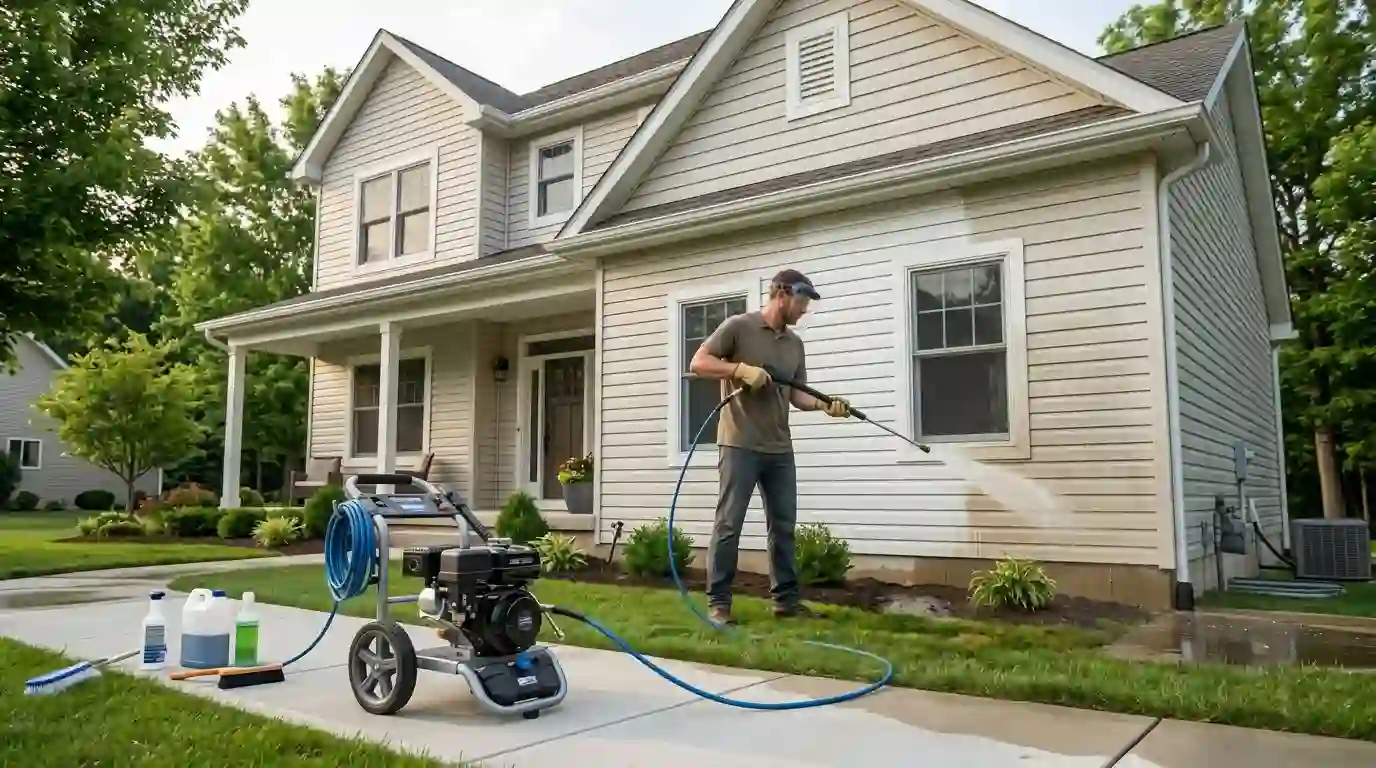
No deck paint works well on a surface that is dirty, wet, or peeling. The first thing to do is clean the deck, sand it if necessary, and let it dry completely. Using a bonding primer is often necessary, especially on older wood, pressure-treated lumber, or any surface that already has paint on it. The most common reason deck paint fails early is not preparing the surface.
Best Deck Paints for 2026: Tested Picks by Category
While specific product rankings shift as formulas are updated, here are the types and brands worth looking at in each category.
Best Overall: Solid-Color Latex Deck Paint
Premium latex deck paints from brands like Behr, Benjamin Moore, and Sherwin-Williams consistently rank at the top for homeowners and contractors alike. They offer the best balance of durability, ease of application, UV protection, and a wide range of colour paint for decking options. These products are also the most forgiving to apply and easy to touch up over time.
Best for Old Decks: Penetrating Elastomeric Coating
Elastomeric deck coatings are a game-changer for decks that aren’t quite ready to be replaced but aren’t quite ready to be replaced either. These thick formulas fill in small cracks, cover surfaces that are breaking up, and bend with the wood. This category has the answer to your question about what paint is best for covering old, broken deck boards.
Best for Pressure Treated Wood
Chemicals in pressure-treated wood can stop things from sticking. The best deck paint for pressure-treated wood is one that says on the label that it works with treated lumber or that it works with a shellac-based or oil-based bonding primer. For the best results, wait at least six months after treating the wood before painting it.Elastomeric deck coatings are a game-changer for decks that aren’t quite ready to be replaced but aren’t quite ready to be replaced either. These thick formulas fill in small cracks, cover surfaces that are splintering, and move with the wood. If you’ve been wondering what the best paint is to cover old, cracked deck boards, this is the answer.
Best Non-Slip Option for Stairs
For stair treads and pool surrounds, the best non-slip deck paint for stairs is a textured formula with added grip particles. Rust-Oleum, KILZ, and Defy offer well-reviewed non-slip products. You can also add a non-slip additive to any standard paint to increase traction without switching products entirely.
Best for Extreme Weather
In areas with dramatic seasonal swings, look for 100% acrylic formulas rated for extreme weather. These expand and contract with the wood without cracking and hold their color better in intense sun or freezing cold. The best deck paint for extreme weather conditions will usually advertise a 10-year or longer lifespan when properly applied.
What Are the Advantages of Using Decking Paint?
Painting your deck is more than a visual upgrade. Here is what good deck paint actually does for your wood:
- Blocks moisture from soaking into the wood and causing rot or swelling
- Provides UV protection that prevents fading, graying, and surface breakdown
- Creates a barrier against mold, mildew, and algae growth
- Reduces the appearance of cracks, stains, and surface imperfections
- Allows full color customization with a wide range of paint for decking colours
- Extends the life of the deck by years sometimes decades when maintained properly
What Is the Best Textured Deck Paint?
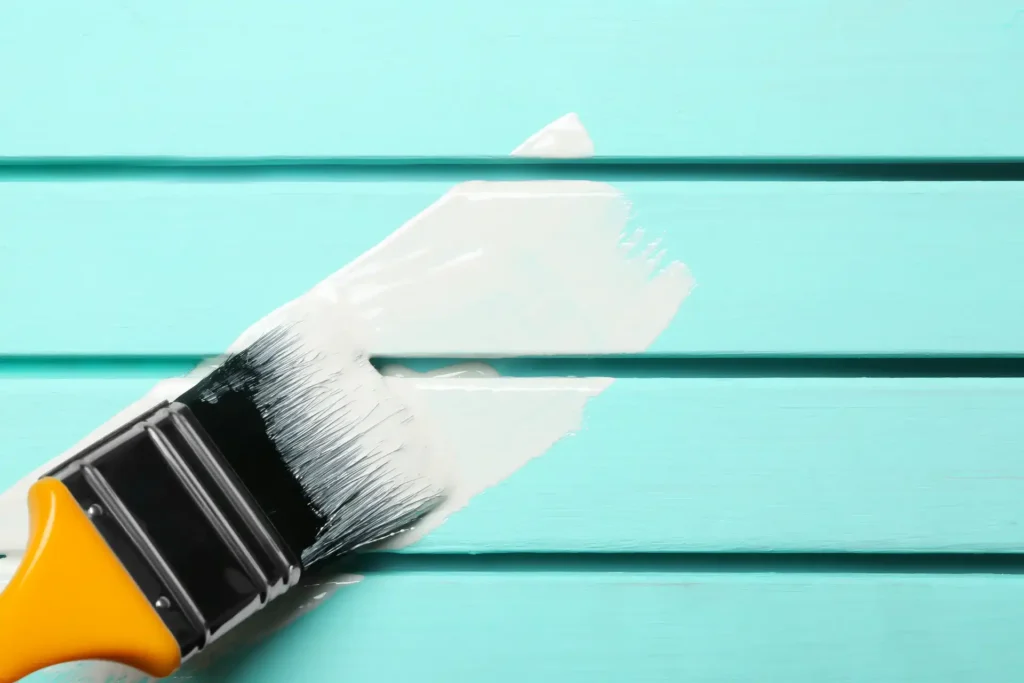
For almost any outdoor deck, textured deck paint is worth the money. It gives you a good grip that can keep you from slipping and falling on wet mornings, after rain, or near pools. The best textured formulas have a finish that doesn’t slip and strong protection against UV rays and moisture, so you don’t have to give up safety for durability.
When looking at textured products, choose fine silica aggregate over coarse sand, which can be uncomfortable to walk on. Rust-Oleum RockSolid and KILZ Deckscapes both make textured products that are well-balanced and can handle a lot of foot traffic without being rough on bare feet.
Best Deck Paint for Old or Peeling Decks
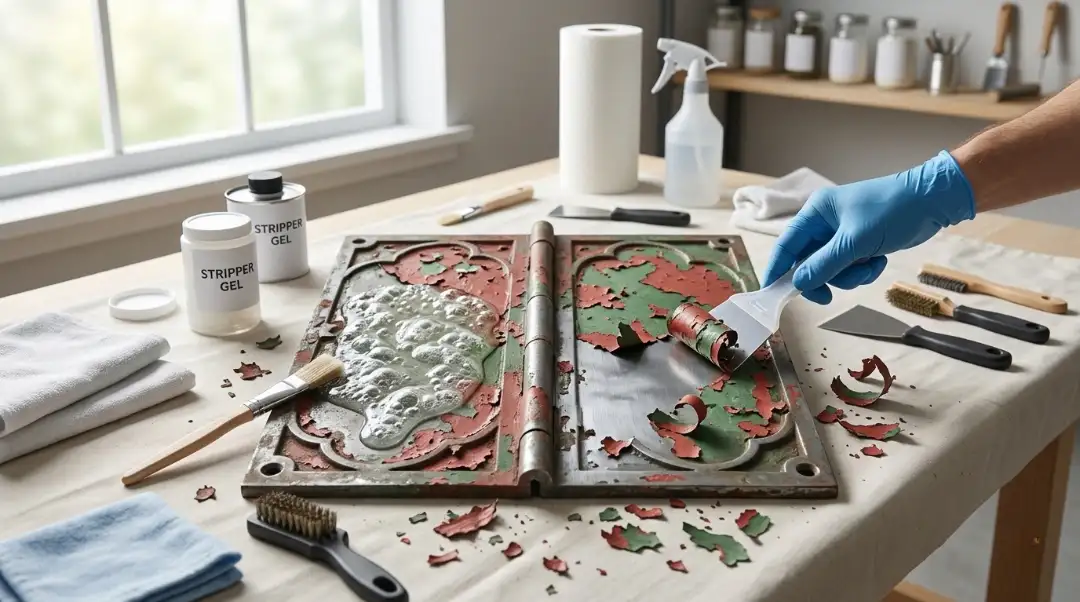
One of the most common questions is whether you can just paint over old deck paint. The answer is: sometimes, but only if the coating that is already there is in good shape. You should take off as much of the old paint as you can before putting on new paint if it is peeling, bubbling, or flaking. Paint that is put over paint that is already peeling will also peel off quickly.
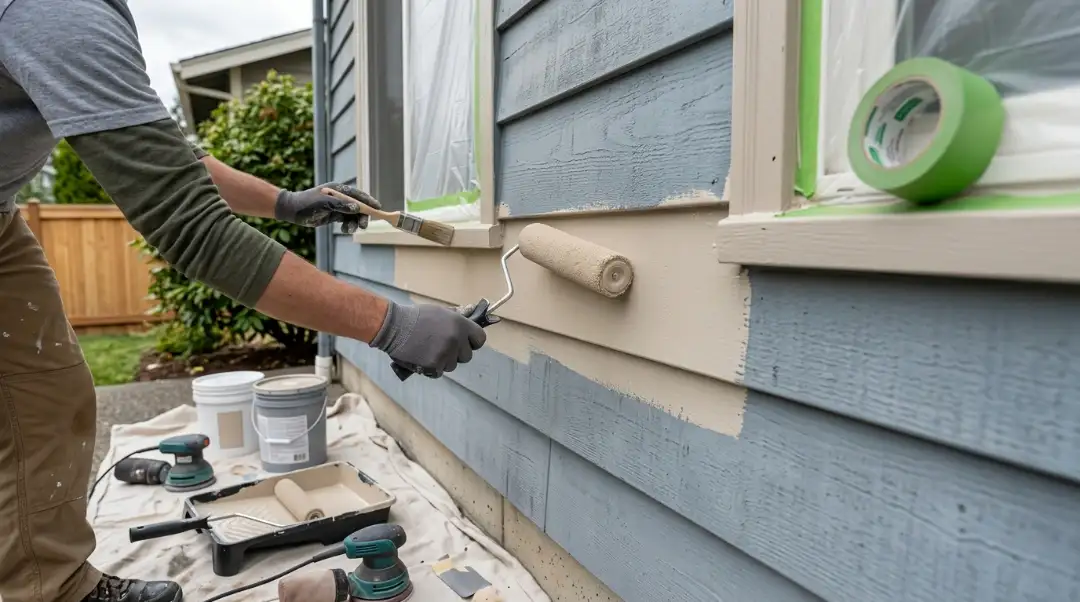
An elastomeric resurfacing product can work wonders on old decks that only have a little bit of wear on the surface. If your deck is peeling a lot, the best thing to do is to strip it down to bare wood, sand it, prime it with a bonding primer, and then paint it with two solid coats of your chosen deck paint. This is also a great time to call in professionals. If you’re looking for Deck Staining Contractors in Seattle WA, the team at Inter Color Painting LLC brings the expertise and professional-grade materials to handle old, weathered decks that most DIY products simply struggle to revive.
Deck Paint vs Stain: Which Is Better in 2026?
This is one of the most debated questions in deck finishing, and the right answer depends on what matters most to you.
When to Choose Paint
Paint makes sense when you want full, solid color coverage, when the wood beneath is older or damaged and you want to hide it, when you need maximum protection against moisture and wear, or when you want a fresh, modern look. Paint also tends to last longer than stain on surfaces with heavy foot traffic because the film layer is thicker and more durable.
When to Choose Stain
If you want to keep the wood’s natural look and grain, stain is better. Stains that are clear or semi-clear let the wood’s natural beauty show through while still protecting the deck. Because stains don’t peel, it’s also easier to recoat them. They just fade over time. Stain is often the better choice for looks if your deck is in good shape and made of a nice type of wood.
Is Deck Paint or Stain Better for Old Wood?
Paint is usually the better choice for wood that is truly old, weathered, or broken. It hides flaws, adds a thick layer of protection, and makes the deck look new again. Transparent stains on old wood often make damage stand out instead of hiding it. For decks that are getting older, professionals recommend using a solid stain or full deck paint.
How Long Does Deck Paint Last?
How long deck paint lasts outdoors depends on several factors: product quality, surface preparation, number of coats applied, and how harsh your local climate is. In general:
- High-quality 100% acrylic latex deck paint: 4 to 10 years
- Standard latex deck paint: 2 to 5 years
- Oil-based deck paint: 4 to 6 years with proper maintenance
- Elastomeric resurfacer: Up to 10 years on properly prepared surfaces
Taking care of things is very important. Regularly sweeping up debris, cleaning the deck every season, and fixing up worn areas before they become big problems can make any deck paint last a lot longer. To keep the finish looking good, most manufacturers suggest a light coat of maintenance every two to three years.
What Deck Paint Do Professionals Use?
Professional deck painting contractors tend to favor premium, professional deck paint brands with proven track records. Sherwin-Williams Porch and Floor Enamel, Benjamin Moore Arborcoat, Cabot Australian Timber Oil for stain applications, and Behr Premium Advanced DeckOver for resurfacing jobs are all names that come up a lot in the trade.
The difference between professional results and DIY results is usually not the product itself; it’s how the surface is prepared, how the primer is applied, and how the work is done. Professionals know how to read the deck’s condition and choose the right product for the job. That’s why their work lasts longer than DIY projects, even when they use the same materials.
Common Deck Painting Mistakes to Avoid
- Painting Damp Wood: If the wood is wet inside, the paint will bubble.
- Skipping the Primer: A bonding primer is the “glue” that keeps your paint from peeling.
- Painting in Direct Sun: If it’s too hot, the paint dries too fast and won’t bond correctly.
- Ignoring the Gaps: Don’t forget to paint between the boards to prevent rot from the sides.
Colour Options: Paint for Decking Colours in 2026
Choosing the color is one of the most fun parts of painting a deck, along with the functional questions. In 2026, the most popular colors for decking will be warm greiges, deep charcoals, soft sage greens, and natural warm browns. These colors will look good in outdoor living spaces and blend in with landscaping. White and light gray decks are still popular in coastal and modern homes.
Think about how much sun the deck gets when you pick a color. Darker colors soak up heat, which can make it uncomfortable to walk on in the summer. It’s easier to see dirt on light colors. For both looks and everyday comfort, mid-tone warm neutrals are usually the best all-around choice.
Cost to Paint a Deck in 2026
Expect to pay between $45 and $90 per gallon for premium brands. While that might seem high, cheap paint is a trap. You will end up buying twice as much because it doesn’t cover well, and you’ll have to redo it in two years. How much is deck paint really? It’s the price of the can plus the value of your time. Buy the good stuff first.
How to Choose Deck Paint for Your Climate
One of the most searched questions is how to choose deck paint for climate, and for good reason. The same product that performs beautifully in San Diego can fail quickly in Minnesota or Florida. Here is a quick guide:
- Hot, arid climates: Prioritize UV protection and heat resistance. Light colors reduce heat absorption.
- Hot, humid climates: Mold, mildew, and moisture resistance are essential. Look for antimicrobial additives.
- Cold, snowy climates: Freeze-thaw rated products are a must. Elastomeric formulas handle expansion best.
- Rainy, temperate climates: Maximum moisture resistance and fast-drying formulas are key.
- Mixed or extreme weather climates: Choose a 100% acrylic formula with the broadest environmental ratings.
Conclusion
So, what kind of paint is best for decks? The best choice depends on how well your deck is built, the weather in your area, and how many people use it. For most homeowners, premium acrylic deck paint is the best choice because it lasts a long time, is flexible, and is a good value. High-build resurfacing coatings work better on older or damaged decks, and textured finishes are better for areas where safety is important.
Inter Color Painting LLC can help you get professional, long-lasting results without having to guess. Contact us today for expert advice or a free estimate, and we’ll turn your deck into a beautiful, safe outdoor space.
FAQs
What kind of paint is best for outdoor decks?
A 100% acrylic latex formula is generally the best choice for outdoor decks. It offers strong UV protection, moisture resistance, and the flexibility to expand and contract with temperature changes without cracking.
Is it better to stain or paint a deck?
It depends on the deck’s condition and your goals. For new or good-condition wood where you want to see the grain, stain is ideal. For older, damaged, or high-traffic decks where you want maximum protection and a fresh look, paint is the better option.
How long does deck paint last?
Quality deck paint can last 4 to 10 years depending on the product, surface preparation, climate, and maintenance. Elastomeric resurfacers on well-prepared surfaces can reach the 10-year mark with periodic maintenance coats.
What is the most durable deck coating?
Elastomeric deck coatings are among the most durable options, especially for older or heavily worn decks. For newer decks, premium 100% acrylic deck paint from professional-grade brands offers excellent long-term durability.
Can you paint over old deck paint?
Yes, if the existing paint is firmly adhered, clean, and in good condition. If it is peeling or flaking, it needs to be removed first. Always clean and lightly sand before repainting, and use a bonding primer if switching product types.
Is textured deck paint worth it?
Yes, especially for stairs, pool decks, or any area that gets wet. A slip resistant finish adds real safety value, and most textured formulas also provide excellent durability and UV protection without sacrificing comfort underfoot.
How many coats of deck paint do you need?
Most decks need two coats of deck paint for proper coverage and protection, plus a primer coat on bare or new wood. Heavily worn decks or those using an elastomeric resurfacer may benefit from three coats total.