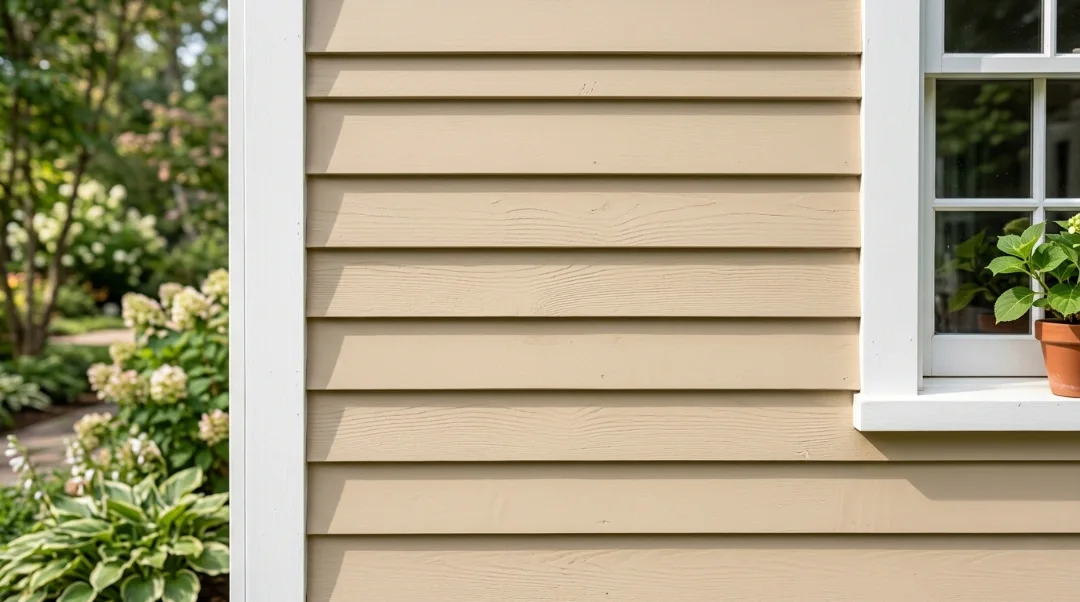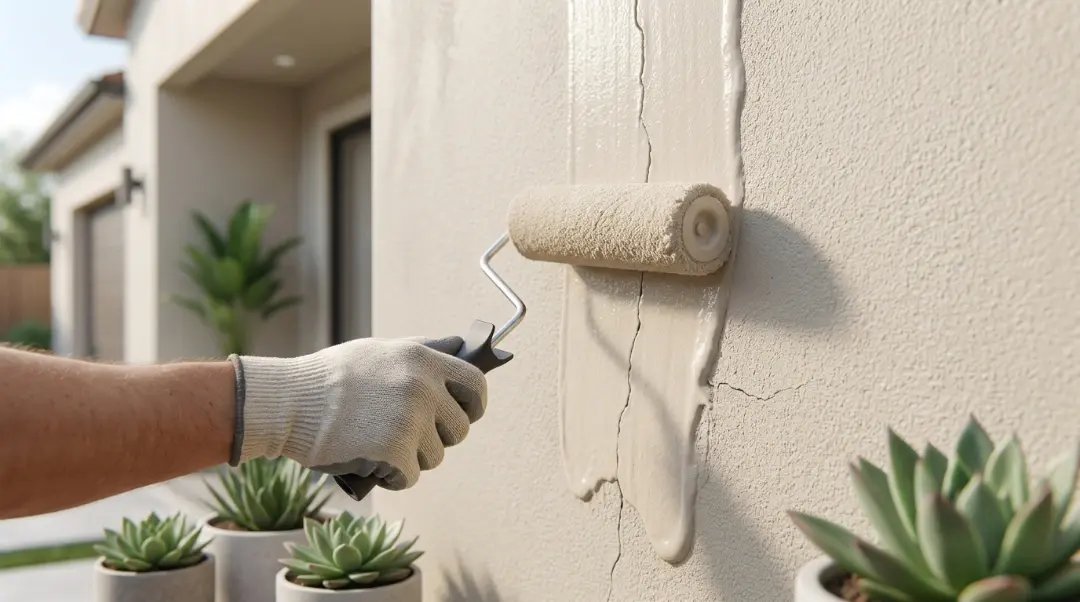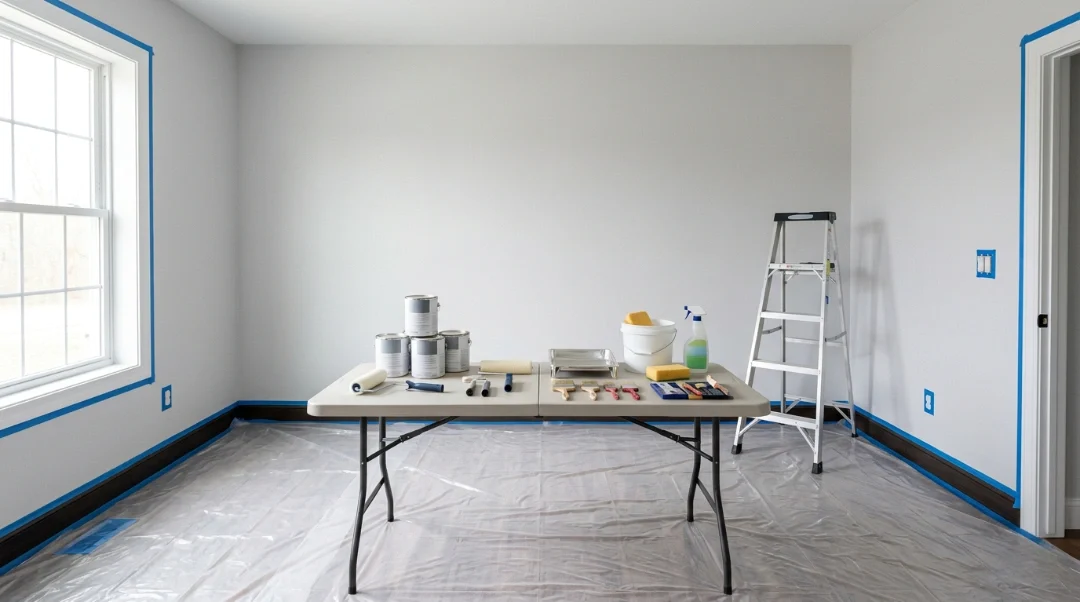
If you have ever finished painting a wall and noticed a rough, bumpy texture instead of a smooth surface, you have likely run into a common paint problem. Many homeowners ask, What Is Orange Peel in Paint, especially when the finish does not look clean or professional. This texture can appear on walls, ceilings, cabinets, and even exterior surfaces.
In this guide, we will explain what orange peel paint looks like, what causes it, and how to fix it the right way. You will also learn how to prevent orange peel from happening again. Whether you plan to repaint yourself or hire a professional, understanding this issue will help you get better results and avoid costly mistakes.
Table of Contents
ToggleWhat Is Orange Peel in Paint?
When we talk about orange peel in paint, we are describing a specific type of texture error. It is a physical defect where the paint does not “level out” or lay flat against the surface. Instead, it dries in a pattern of tiny pits and mounds.
If you look closely at a piece of fruit, you see small dimples all over the skin. Orange peel paint looks exactly like that. It is most common in spray-painting jobs like on cars or furniture but it happens on house walls all the time when using rollers or brushes. In the world of professional painting, achieving a “Level 5” finish means having zero texture. Paint orange peel is the enemy of that sleek, modern look.
What Causes Orange Peel on Paint?
To fully understand What Is Orange Peel in Paint, you need to know why it happens. Orange peel paint does not come from one single mistake. It usually comes from a mix of factors related to paint, tools, environment, and technique.
Paint Is Too Thick
One of the most common answers to what causes orange peel on paint is thick paint. When paint is not thinned properly, it does not level out as it dries. Instead of flowing smoothly, it sticks where it lands and forms texture.
Latex paint is especially prone to this issue. If it is straight from the can and not mixed well, orange peel effect in paint is more likely.
Wrong Roller or Brush
Tools matter more than many people think. Using a roller with a thick nap on smooth walls can leave heavy texture. Cheap rollers can also cause uneven paint spread. This often leads to orange peel walls.
Brushes can cause similar problems. Low quality brushes leave streaks and uneven layers that dry into texture.
Spray Gun Settings Are Off
Spray painting can give great results, but only when done right. Paint orange peel often happens when spray gun pressure is too low or the nozzle size is wrong. If paint droplets are too large, they hit the surface and dry before leveling.
This is a common cause in cabinet painting and automotive work. Professionals spend time adjusting settings to avoid orange peel paint.
Painting in the Wrong Conditions
Temperature and humidity play a big role in how paint dries. Painting in hot, dry conditions can cause paint to dry too fast. When this happens, the surface sets before the paint can smooth out.
Cold or very humid conditions can also cause problems. Understanding what causes orange peel on paint includes paying attention to the environment.
Applying Paint Too Fast
Speed is another factor. Rolling or spraying too quickly can lead to uneven layers. When paint is not applied evenly, some areas dry faster than others. This uneven drying creates texture.
Many DIY painters rush the job. This is why orange peel walls are common in fast repaints.
Poor Surface Preparation
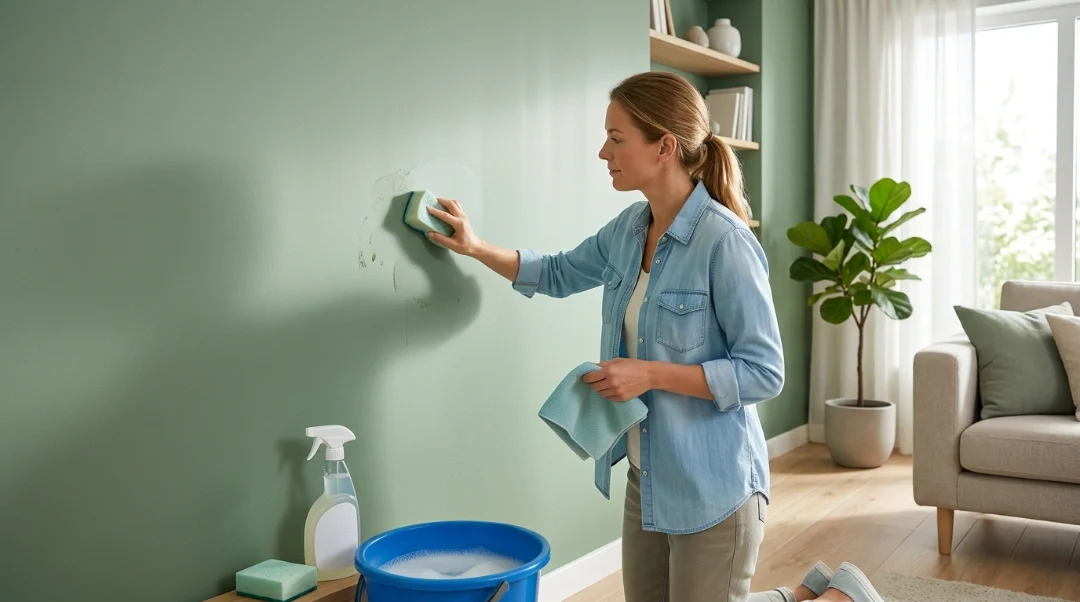
Dirty or rough surfaces can stop paint from leveling. Dust, grease, or old paint texture underneath can all cause orange peel effect in paint.
Sanding and cleaning before painting are often skipped steps. Skipping them increases the risk of orange peel paint.
Low Quality Paint
Not all paint is the same. Cheap paint often has lower quality binders and fillers. These paints do not level well and are more likely to dry with texture.
Investing in better paint reduces the chance of paint orange peel and gives a smoother finish.
Multiple Heavy Coats
Applying thick coats instead of thin ones is another answer to what causes orange peel on paint. Heavy coats trap air and solvents. As the paint dries, it shrinks unevenly and forms texture.
Thin, even coats are key to avoiding orange peel walls.
How to Fix Orange Peel Paint: A Step-by-Step Guide
Fixing the problem starts with understanding What Is Orange Peel in Paint and how severe it is. Some cases are mild and easy to fix. Others need more work. This step by step guide explains how to fix orange peel paint safely and effectively.
Step 1: Check the Severity
Before doing anything, look closely at the surface.
- Light texture that you can barely feel may not need much work
- Medium texture is visible and noticeable to touch
- Heavy texture has deep bumps and uneven patterns
Knowing the level helps you choose the right fix.
Step 2: Let the Paint Fully Cure
Do not rush. Fresh paint needs time to cure, not just dry. This can take several days or even weeks depending on the paint type.
Trying to fix orange peel paint too soon can make the problem worse.
Step 3: Sand the Surface Smooth
Sanding is the most common way to fix orange peel walls.
For light orange peel paint:
- Use fine grit sandpaper, around 220 to 320 grit
- Sand lightly and evenly
- Do not press too hard
For heavier texture:
- Start with 150 or 180 grit
- Follow up with finer grit to smooth it out
Always wipe away dust with a damp cloth after sanding.
Step 4: Use a Sanding Block or Pole Sander
Using your hand alone can cause uneven pressure. A sanding block or pole sander helps keep the surface flat. This is especially helpful for large areas like walls and ceilings.
This step is key when learning how to fix orange peel paint properly.
Step 5: Apply a Skim Coat if Needed
If sanding alone does not fix the issue, a skim coat may be needed.
- Use joint compound or a wall smoothing compound
- Apply a thin layer with a drywall knife
- Let it dry fully
- Sand smooth
This step is common for severe orange peel walls.
Step 6: Prime the Surface
Primer helps create a smooth, even base. It also seals repaired areas so the final paint coat looks uniform.
Skipping primer can cause the orange peel effect in paint to show through again.
Step 7: Repaint with Proper Technique
Now comes the repaint. This is where prevention matters.
- Thin paint if needed, following manufacturer instructions
- Use high quality rollers or sprayers
- Apply thin, even coats
- Keep a steady pace
Understanding What Is Orange Peel in Paint helps you avoid repeating the same mistakes.
Step 8: Control the Environment
Make sure the room temperature and humidity are within the paint’s recommended range. Use fans or dehumidifiers if needed.
Good airflow helps paint level and dry evenly.
Step 9: Inspect Under Good Lighting
Use side lighting to check your work. This makes texture easier to see. Fix any small issues before the paint fully cures.
Step 10: Know When to Call a Professional
Sometimes fixing orange peel paint is more work than expected. Large areas, high ceilings, or detailed surfaces may need expert help.
This is where a professional company like Inter Color Painting LLC can help. Experienced painters know how to fix orange peel walls and prevent them from coming back.
Final Thoughts
Understanding What Is Orange Peel in Paint gives you control over your paint projects. From knowing what causes orange peel on paint to learning how to fix orange peel paint, this knowledge helps you get smoother, better looking results.
Whether you plan to fix it yourself or reach out to a professional like Inter Color Painting LLC, the key is knowing your options. With the right approach, orange peel paint does not have to be permanent. Clear guidance, good tools, and patience can turn rough walls into smooth, clean surfaces that look great for years to come.
FAQs
How to stop orange peel in paint?
To stop orange peel in paint, use properly thinned paint, apply thin and even coats, and use the correct roller, brush, or spray settings. Keep the room at the right temperature and avoid painting too fast. Good surface prep and quality paint also reduce orange peel.
Can too much air pressure cause orange peel?
Yes, too much air pressure can cause orange peel. High pressure makes paint dry too quickly before it can level out, leaving a rough texture. This is common when spray painting walls, cabinets, or cars.
What causes orange peel to look in paint?
Orange peel in paint is caused by thick paint, poor spray settings, fast drying conditions, uneven application, low quality tools, or improper surface preparation. Any factor that prevents paint from flowing smoothly can create orange peel texture.
Does paint correction fix orange peel?
Yes, paint correction can fix orange peel, but only to a certain level. Light orange peel can be reduced through sanding and polishing. Heavy orange peel usually requires wet sanding or repainting to fully correct the surface.
Is orange peel paint a defect?
Orange peel paint is considered a defect when a smooth finish is expected, such as on cabinets, doors, vehicles, or high-end interior walls. In some construction work, light orange peel may be considered acceptable, but it is still a surface flaw.
How much orange peel is acceptable?
A small amount of orange peel is often acceptable in standard residential walls, especially in new construction. However, visible or heavy orange peel that affects appearance or light reflection is generally not acceptable in professional or high-quality paint work.