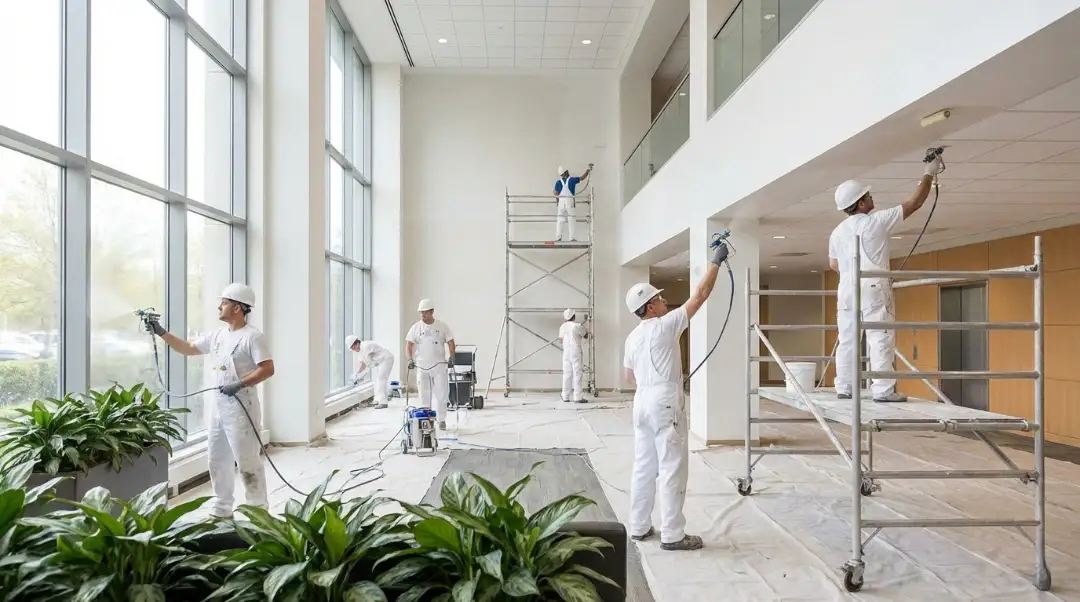
The walls on the outside of your house are cracking. After every rain, water stains keep coming back. You’ve painted twice in five years, and the peeling has started again. If that sounds similar, you don’t have a problem with the paint brand. You’re using the wrong kind of paint.
What is elastomeric paint? It’s a thick, rubbery layer on the outside that expands with your walls instead of cracking when you put pressure on it. It lasts 10 to 15 years and fills up hairline cracks, keeps water out, and more. We’ll talk about how it works, when to use it, how much it costs, and if it’s a good fit for your home in this guide.
When to Use Elastomeric Paint
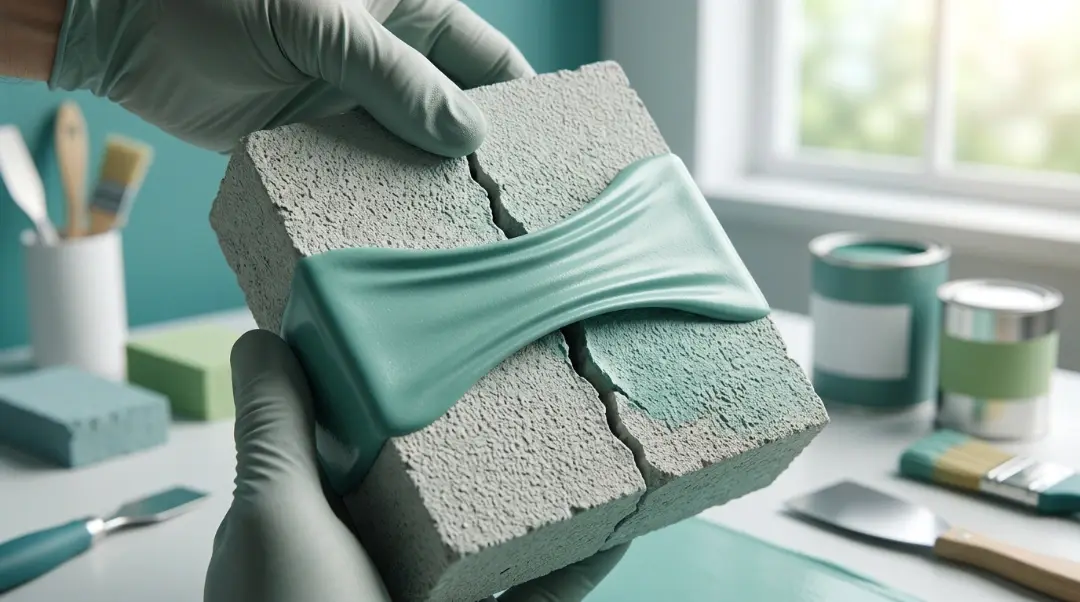
Elastomeric paint works best on stucco, brick, or concrete blocks that are outside and have small cracks or are exposed to rain that is blown by the wind. It’s a great solution if you need a waterproof seal that works well and can move with the natural settling of your property.
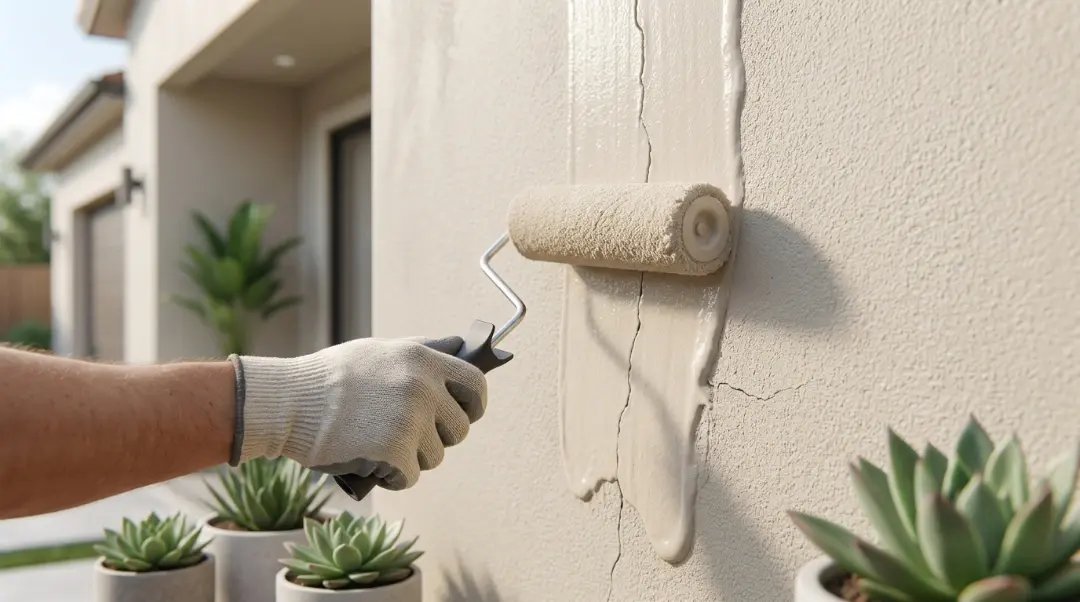
If the outside of your house looks solid and the paint is only faded, regular acrylic paint can be the finest choice for you. But if you see such annoying “spiderweb” cracks, you should think of a stronger elastomeric material. I’ve seen a lot of homeowners try to fix stucco with conventional paint, but the cracks come back after just one season. This coating breaks that cycle.
Ideal Scenarios for Application
- Stucco Repair: Perfect for “bridging” hairline fractures without needing a full re-stucco job.
- High-Moisture Regions: Areas with heavy rainfall where water intrusion is a constant threat.
- Aging Masonry: Older brick or concrete buildings that have become porous over time.
What Is Elastomeric Paint and How Does It Work?
What is elastomeric paint, exactly? It’s a high-build coating made with special polymers that let it stretch up to 600% of its original size without cracking. It applies 10 to 20 mils thick, compared to 2 to 3 mils for regular paint. That extra thickness is what allows it to seal small cracks and form a waterproof membrane over masonry surfaces.
Here’s what that means in real terms. When temperatures rise and fall, your walls expand and contract. Standard paint can’t keep up, so it splits. Elastomeric coatings move with the surface, maintaining their seal through every season.
The coating dries into a flexible film that bonds tightly to stucco, concrete block, and masonry. It bridges gaps up to 1/16 inch wide. Water can’t push through the barrier, though the coating still allows some vapor to pass, so moisture trapped inside your walls can escape.
The Real Benefits of Elastomeric Paint
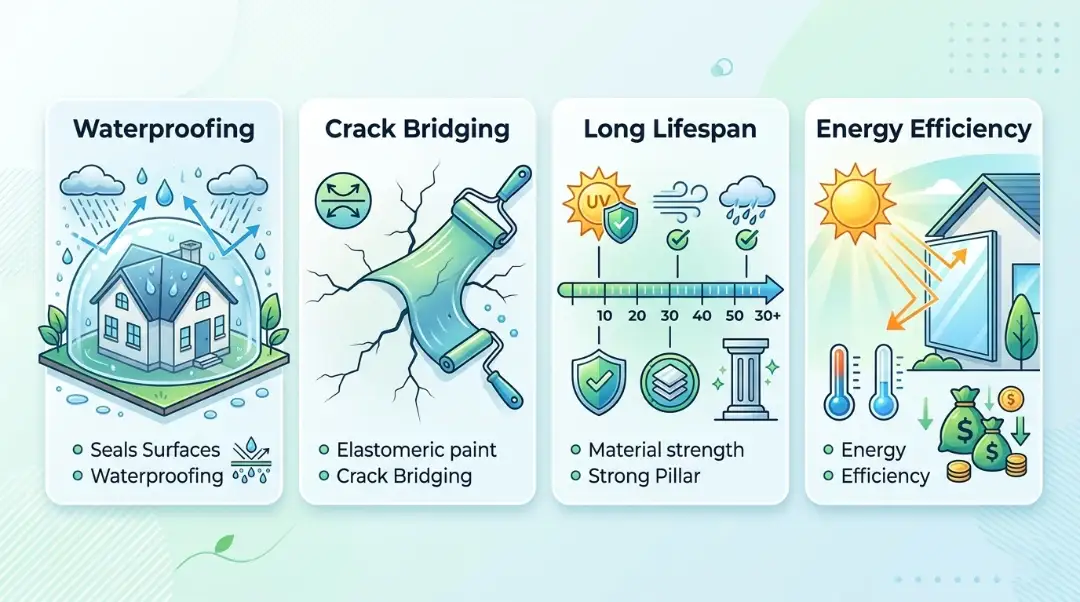
4 Solid Reasons to Use It
1. Waterproofing
Elastomeric waterproofing creates a true barrier against rain and moisture. The thick dry film thickness (DFT) of 10 to 20 mils means water simply has nowhere to go. For stucco homes especially, this protects against the kind of water intrusion that causes structural damage over time.
2. Crack Bridging
Small cracks form in stucco and concrete as buildings settle. Elastomeric paint stretches over those cracks instead of breaking along them. A 300% to 600% elongation rate means it handles surface movement that would destroy regular paint.
3. Long Lifespan
Most paints on the outside of a house need to be redone every five to seven years. Elastomeric coatings that are put on correctly last 10 to 15 years. Compared to the 2 to 3 years you get with regular alternatives, many manufacturers offer 10-year warranties on their items.
4. Energy Efficiency
Light-colored elastomeric exterior paint reflects heat away from your walls. This helps reduce cooling costs during summer, which matters a lot in warm climates. It won’t replace your HVAC system, but every bit of thermal resistance counts.
Disadvantages of Elastomeric Paint: What You Need to Know
Every coating has trade-offs. Here’s what to consider before buying.
Higher Cost
Elastomeric paint runs $60 to $90 per gallon. Premium acrylic costs $40 to $50. But the coverage gap makes the price difference even wider. Elastomeric covers about 100 square feet per gallon. Acrylic covers 250 to 300. You’ll need two to three times the product for the same surface area.
For a 2,000 sq ft exterior, expect to pay $800 to $1,200 for elastomeric paint materials versus $400 to $600 for acrylic.
Color Fading
Dark colors fade fast with elastomeric coatings. Blues, reds, and browns can look dull within 4 to 6 years in direct sunlight. The thick coating holds heat and can’t release it efficiently, which speeds up pigment breakdown.
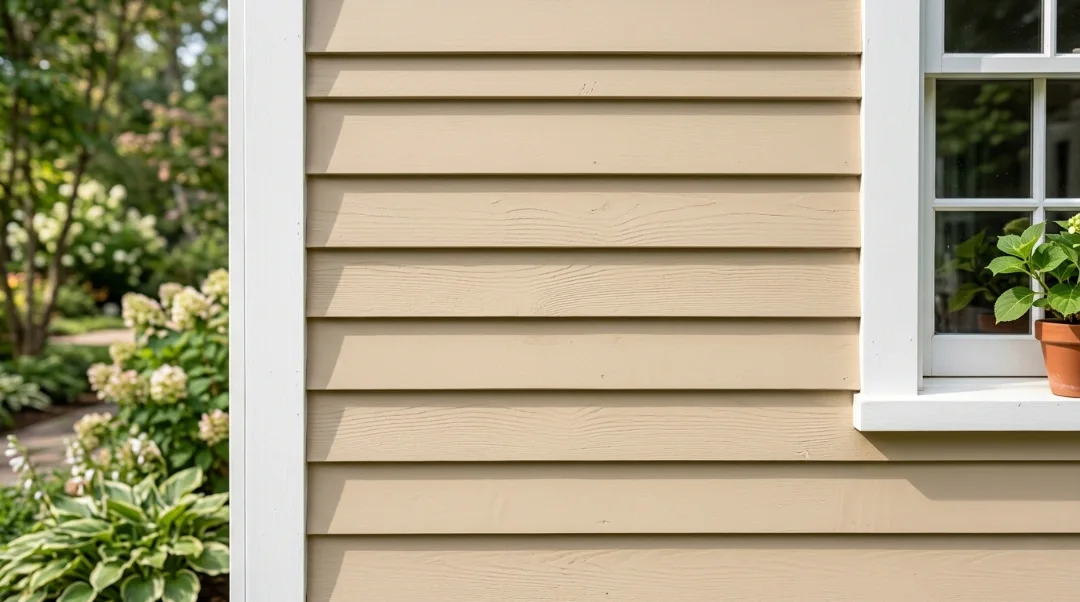
Stick with lighter shades, beiges, tans, grays, and whites. They perform well for the full lifespan.
Application Challenges
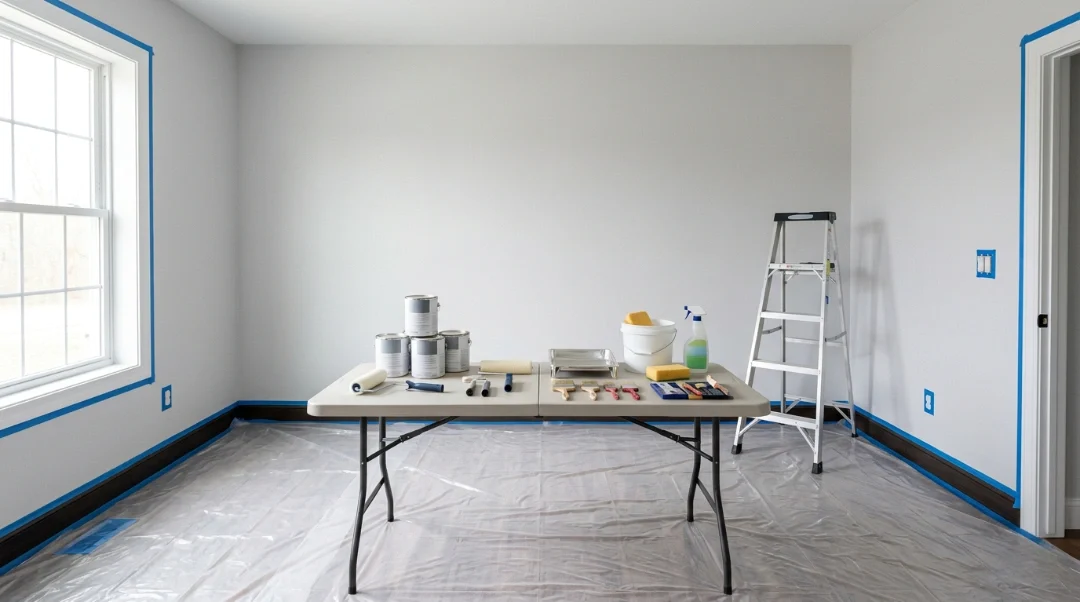
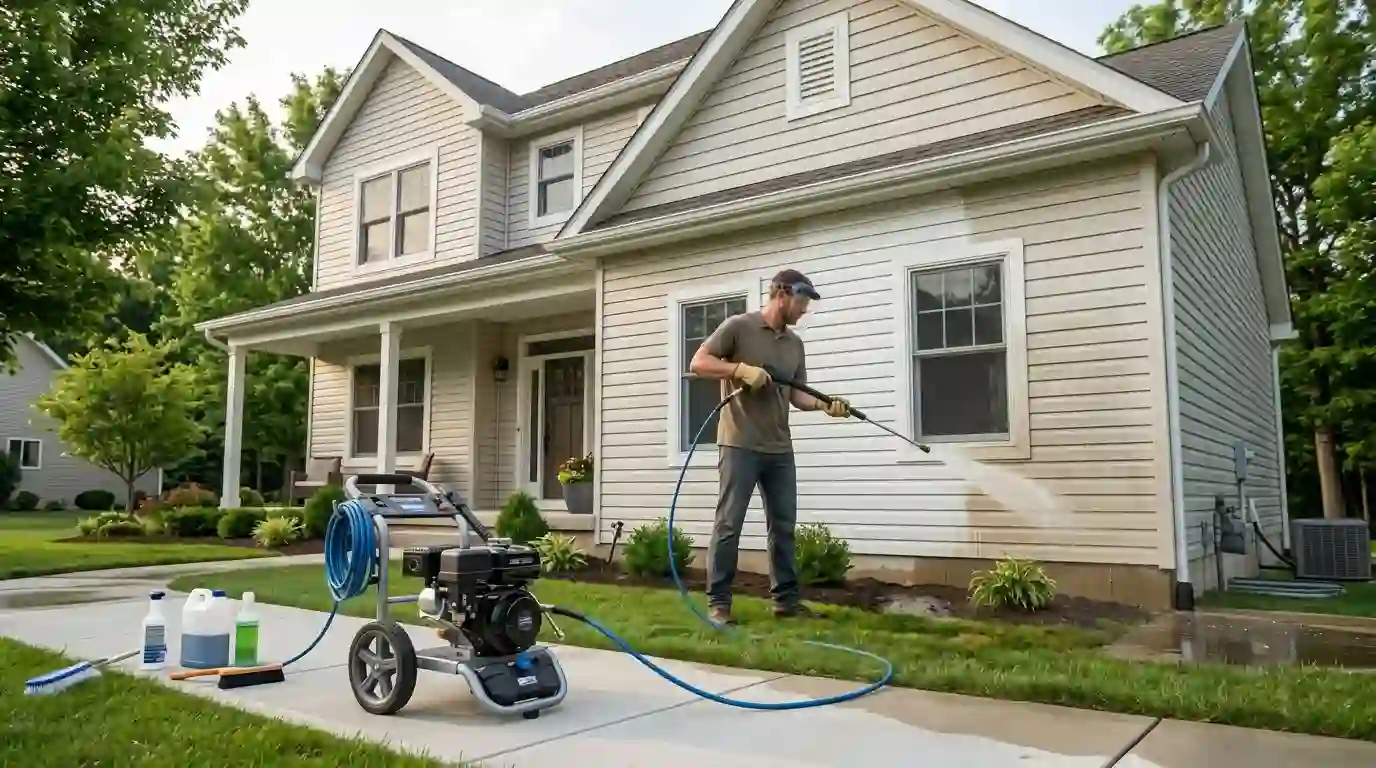
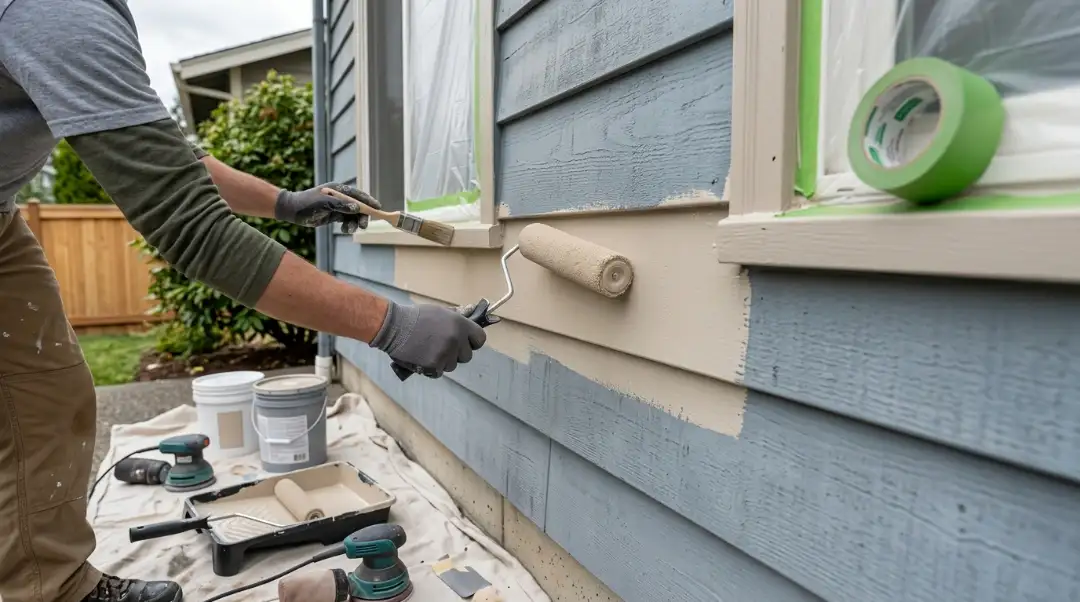
This isn’t a weekend DIY project unless you’ve done it before. Surface preparation needs to be thorough: pressure washing at 2,500 to 3,000 PSI, removing all loose paint, grease, and dirt. The right tools matter too. High-build rollers or airless sprayers rated for thick coatings are required. Standard rollers won’t cut it.
Improper thinning ratios create lumps or weak spots that peel early. Two coats minimum are needed to hit the proper dry film thickness.
Limited Surface Compatibility
Elastomeric coatings perform well on stucco, brick, and concrete block. Without proper primers, they don’t stick well to metal or wood. They also don’t work well on flat roofs or horizontal decks where water can pool.
Does Elastomeric Paint Need a Primer?
You don’t always need primer, but it’s a good idea to use it on bare or porous surfaces. An elastomeric primer helps the topcoat stick to new stucco, unsealed masonry, or any other surface with healed fissures. If you skip it on a problem surface, it will probably stop sticking in a few years.
For older stucco homes being repainted, an elastomeric primer coat on sealed cracks adds an extra layer of waterproofing protection. It’s a small extra cost that protects the bigger investment.
How to Paint Over Elastomeric Paint
If your existing elastomeric coat is still well-adhered, you can apply a fresh coat directly over it. Clean the surface thoroughly first. Fill any new cracks with elastomeric caulk. Apply a primer coat over the caulked areas, then follow with two fresh coats of elastomeric coating.
If the old coat is peeling badly, you need to remove it before repainting. That removal process usually requires specialized equipment and a professional. Applying new paint over a failing coat just speeds up the failure of the new one.
Elastomeric Paint vs Acrylic Paint: Making the Right Choice
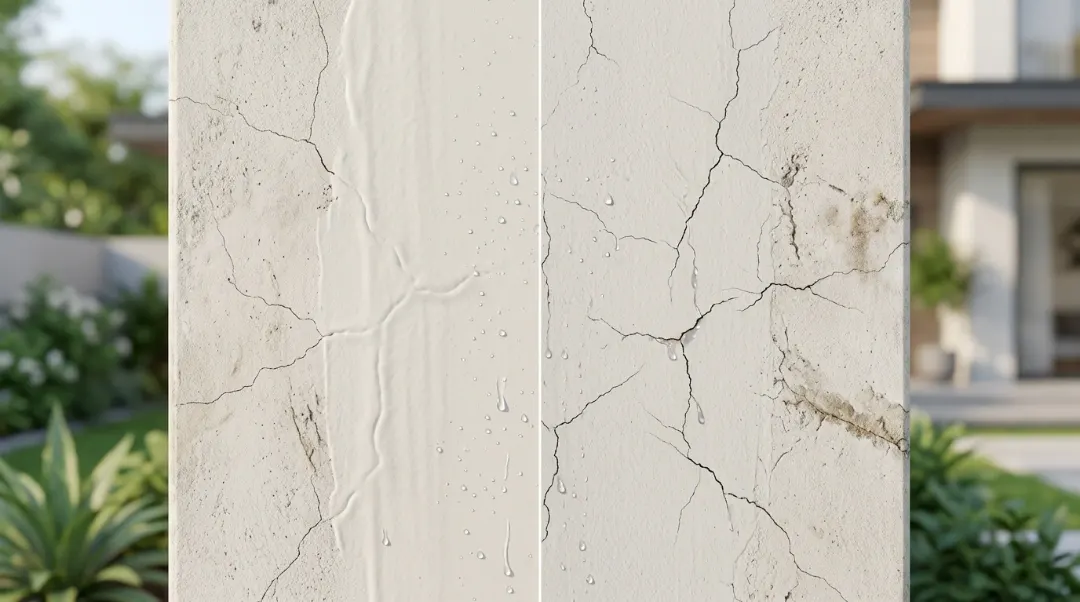
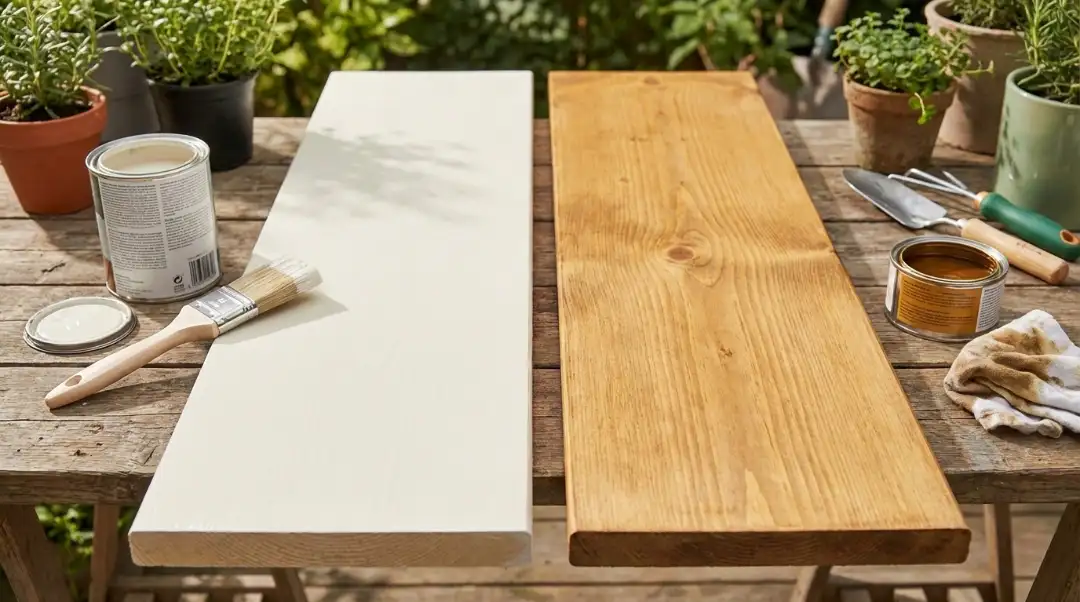
Elastomeric paint (left) beads water and holds firm. Acrylic paint (right) lets cracks grow and moisture win.
| Feature | Elastomeric | Acrylic |
| Thickness | 10-20 mils | 2-3 mils |
| Flexibility | 300-600% stretch | Minimal |
| Cost per gallon | $60-$90 | $40-$50 |
| Coverage | ~100 sq ft/gal | 250-300 sq ft/gal |
| Lifespan | 10-15 years | 5-7 years |
| Fade resistance | Weaker (dark colors) | Stronger |
| Best for | Cracked stucco, masonry | Smooth, intact surfaces |
Acrylic paint also allows more vapor transmission, meaning walls can “breathe” better. If moisture buildup is a concern on your specific wall type, acrylic’s breathability may matter.
The short version: cracked stucco in a harsh climate needs elastomeric. Smooth walls in mild conditions don’t.
Maintaining Elastomeric Paints for Maximum Lifespan
Routine Cleaning
Clean your exterior walls once a year. Use a garden hose or pressure washer set to 1,500 PSI or lower. High pressure can damage the coating. Use mild soap for stubborn dirt and rinse fully.
What to Inspect
Check walls every six months. Look for peeling edges, new cracks, or areas where water appears to be working behind the coating. Small issues caught early are cheap to fix. Left alone, they become full repaints.
Timeline to Expect
- Years 1-5: The coating looks nearly perfect. Just clean it.
- Years 6-10: Light color fading may appear. The coating is still fully protective.
- Years 10-15: Plan for a fresh application. Start budgeting by year 10.
Elastomeric Roofing: A Special Mention
While we mostly talk about walls, elastomeric roofing is a game-changer for flat or low-slope roofs. These coatings reflect UV rays and can lower your cooling costs by reflecting sunlight away from the building. It’s a cost-effective way to extend the life of a roof without a full replacement.
Is Elastomeric Paint Right for Your Project?
Choose elastomeric coating if your exterior is stucco, concrete block, or masonry with existing cracks, and if you live somewhere with heavy rain, extreme heat, or cold winters. It’s the better long-term investment for surfaces that take real punishment from the elements.
Go with standard acrylic if:
- Your walls are smooth and crack-free
- You need strong fade resistance with dark colors
- Budget is tight right now
- You have wood siding or trim
One thing worth knowing: the first two times a stucco home gets painted, elastomeric is almost always the right call. The waterproofing it builds into the surface during those early paint jobs protects the structure long-term. After that, a premium acrylic can maintain what’s already there.
Wrapping Up
Elastomeric paint is a thick, flexible, waterproof covering made for surfaces that get a lot of use. It costs more at first, but it lasts longer, fills in cracks, and stops water damage that costs far more than a paint job to fix.
This coating makes sense if your stucco or concrete block walls are broken and you live in a harsh climate. Standard acrylic works just as well and costs less if your walls are smooth and in good repair.
At Inter Color Painting LLC, we help homeowners make the right choice based on their specific walls, climate, and budget. If you need professional Exterior Painting Services Seattle or expert Interior Painting, our team handles both with the right products and proper application every time. Learn more about our process and how we protect Seattle homes from the Pacific Northwest weather. [Internal link: Inter Color Painting LLC Exterior Painting Services page]
Not sure which coating is right for your home? Get in touch with our team today. We’ll look at your walls, your climate, and your budget, and give you a straight answer with no pressure. Contact us to Inter Color Painting LLC directly.
Frequently Asked Questions
What is elastomeric paint best for?
Elastomeric paint works best on exterior walls made of stucco, concrete block, brick, or masonry. It was made for surfaces that have small fissures, get a lot of rain, or have big fluctuations in temperature. It makes a flexible, waterproof barrier that regular paint can’t match on surfaces that are damaged or porous.
What are the disadvantages of elastomeric paint?
The main drawbacks are cost, color fading, and application difficulty. It costs 40 to 60% more than acrylic and covers far less area per gallon. Dark colors fade badly within 4 to 6 years. And improper application creates lumps, weak spots, and early peeling.
What’s the difference between elastomeric and acrylic paint?
Elastomeric is 10 to 20 mils thick and can stretch up to 600% without breaking. Acrylic goes on in 2 to 3 mils and doesn’t bend very much. Elastomeric works best on surfaces that are broken or have holes in them. Acrylic is cheaper, covers more space per gallon, and doesn’t fade as quickly.
Do you need to use a primer before elastomeric paint?
It is highly suggested to use primer on bare, porous, or patched surfaces. It helps the coating stick better and makes the paint job last longer. A primer layer on caulked crevices is all you need for previously painted surfaces that are in good shape.
Does elastomeric paint come off?
If you don’t use it right, it can. Peeling happens too soon when you skip sufficient surface preparation, apply paint too thinly, add too much water, or paint over a base coat that isn’t working. It stays put for 10 to 15 years if you use the right prep and two full applications.
How do you best use elastomeric paint?
Use a pressure washer with 2,500 to 3,000 PSI to clean the surface, and then let it dry completely. Use elastomeric caulk to fill any cracks, then put on a priming layer. Use a high-build roller or an airless sprayer that can handle heavy applications. Put on two full coats, letting each one dry completely between coats. Don’t ever dilute too much.