Crown molding is the decorative trim that goes along the top edge of your wall where it meets the ceiling. Many homeowners ask, what is crown moulding, and is it worth adding to their home.
Crown moulding is a form of decorative molding that goes around the top of a room and makes it look more stylish and elegant. It is one of the most popular types of interior trim work because it makes the transition between the wall and ceiling seamless and makes the whole room look better.
Understanding Crown Moulding
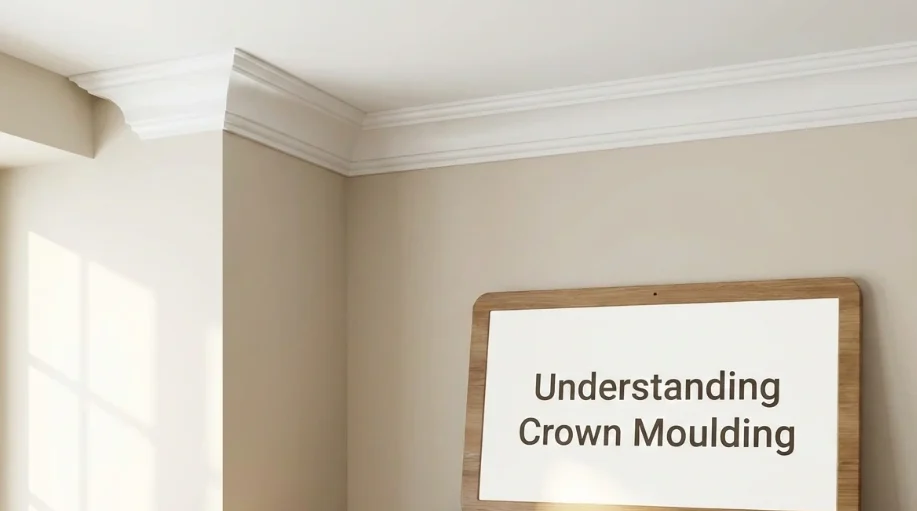
Crown Molding Meaning (Simple Definition)
Crown moulding is a decorative trim that goes where the wall meets the ceiling. It is a part of architectural millwork that is utilized to improve the finishing touches on a room and give it a polished look.
A lot of individuals also look up what mouldings are in general. Mouldings are strips of material that are used to hide the edges where two surfaces meet. Crown molding is made to fit the space between the top of the wall and the ceiling.
How to Spell Crown Molding
You may see two spellings:
- Crown molding (American spelling)
- Crown moulding (British/Canadian spelling)
Both are correct and mean the same thing.
What Is Crown Moulding Used For?
You might wonder, “What does crown molding do in a room?” Is it just a fancy dust collector? Not at all!
- Hiding Imperfections: Houses shift over time. Walls aren’t always perfectly straight, and ceilings can sag. Crown moulding covers the gaps and “crooked” lines where the wall meets the ceiling.
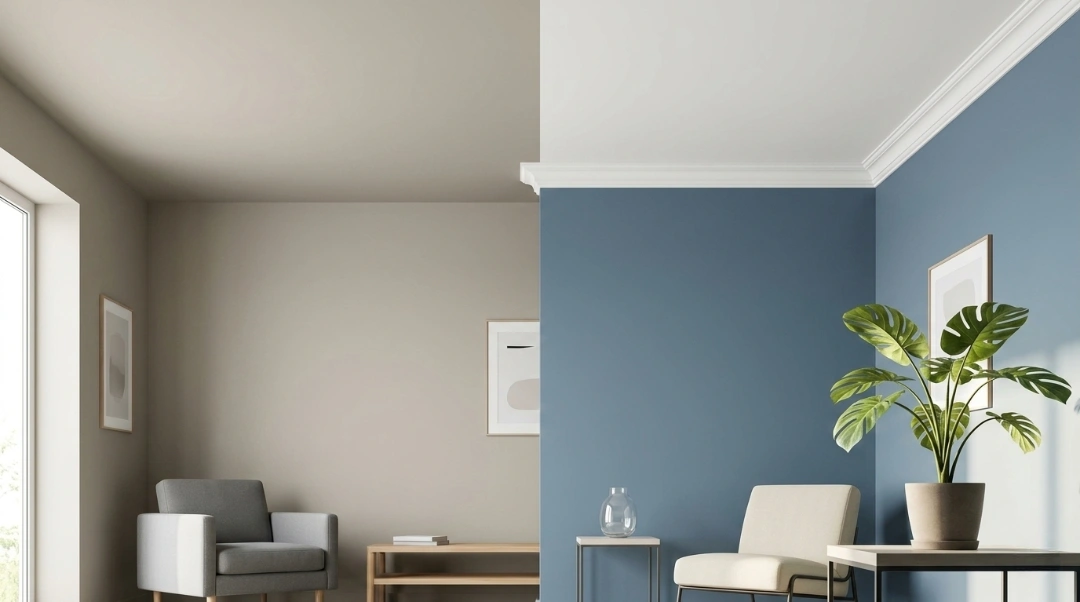
- Visual Height: When painted the right color, it can actually make your ceilings feel higher.
- Defining Style: It acts as the “jewelry” of a room, helping to define if a space is traditional, modern, or rustic.
Five Benefits of Crown Molding
Adding crown molding to your home comes with surprising advantages beyond aesthetics. Let’s explore why homeowners continue choosing this classic interior trim work.
1. Enhances Visual Appeal
Crown molding makes every area look better right away. It gives the room depth, dimension, and a sense of craftsmanship that flat walls just can’t duplicate. Even simple crown molding ideas may make a plain space look great.
2. Makes Ceilings Appear Higher
Crown molding is a smart tip that makes your ceilings look higher than they really are. The ornamental molding on the ceiling draws the eye up, which makes rooms feel bigger and airier. This is great for homes with typical 8-foot ceilings.
3. Increases Home Value
Real estate agents know that details matter. Homes with crown moulding often sell faster and for higher prices because they signal quality and care. It’s a relatively affordable upgrade that delivers solid returns.
4. Hides Construction Flaws
There is no such thing as a perfect home. Crown molding cleverly hides those bothersome gaps, fissures, and settling problems that show up where walls meet ceilings. It covers up flaws and makes your house look fantastic, just like makeup.
5. Adds Architectural Character
Modern construction often lacks the charm of older homes. Crown moulding brings back that sense of craftsmanship and attention to detail, giving newer homes an established, quality feel.
A Brief History of Crown Moulding
Crown moulding isn’t just a new design trend; it goes back thousands of years. In temples and other major buildings, ancient Greek and Roman architects used ornamental ceiling molding that frequently had exquisite carvings and patterns that reflected wealth and prestige.
In the Renaissance, crown molding got more intricate, with artisans making beautiful pieces with flowers, leaves, and geometric shapes. These fancy moldings were hard to make and were only used in palaces, churches, and the homes of the rich.
Crown molding became more common in middle-class residences throughout the Victorian era, although it was still a sign of wealth. In the 20th century, as manufacturing methods got better, crown molding became available to regular households. It went from being a luxury item to a standard feature in homes.
Crown molding is a link between the craftsmanship of the past and the design tastes of today. The main reason we still like it is the same: it makes our homes seem better and adds finishing touches. We now have more material choices and easier ways to install them.
The Purpose of Crown Moulding
Crown molding is mostly used for looks these days, but it also has a functional significance in the “envelope” of a room. It is a transition between the wall and ceiling that hides the expansion and contraction of building materials. The crown’s “flare” lets wood and drywall move a little with the seasons without leaving unattractive gaps.
Types of Crown Molding
Choosing the right style is just as important as the material.
- Cove Molding: A simple, concave curve. Great for modern homes.
- Dentil Molding: Features small, square blocks that look like teeth. It’s very traditional and formal.
- Beaded Molding: Includes small rounded “beads” for a delicate, classic look.
- Stacked Molding: This is when you use two or more different pieces of trim together to create a massive, grand look.
How to Choose Crown Molding Size
Many homeowners struggle with how to choose crown molding size. The key factor is ceiling height.
Size Guide by Ceiling Height
8-foot ceilings:
- Use 2–5 inch molding
- Avoid overly large profiles
9–10 foot ceilings:
- Use 4–7 inch molding
10+ foot ceilings:
- Use 7 inches or larger
Popular Materials for Crown Moulding
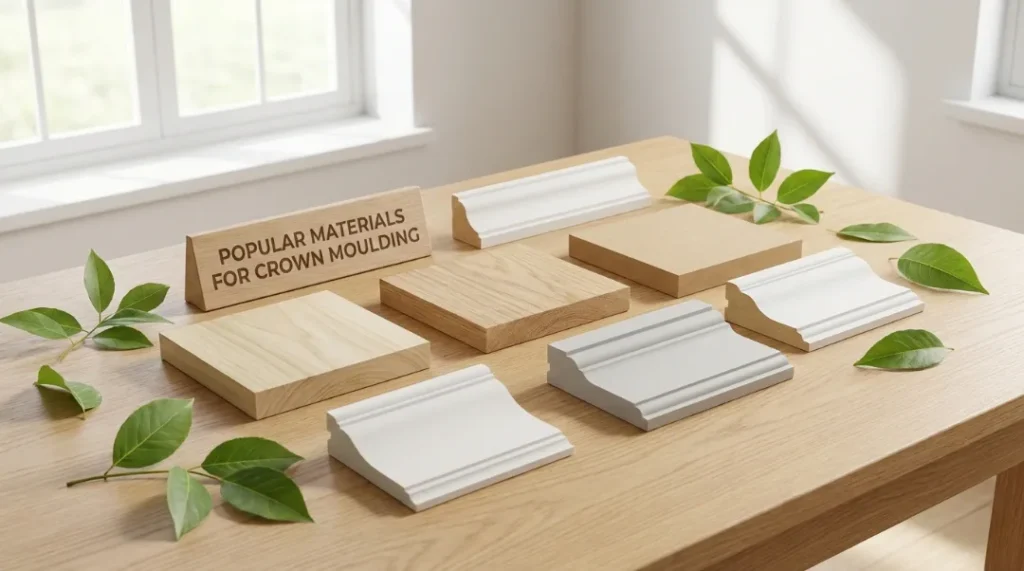
Crown molding materials have evolved significantly, giving you options for every budget and style preference.
Wood Crown Molding
Traditional and timeless, real wood remains a popular choice. Oak, pine, cherry, and maple offer natural beauty that can be stained or painted. Wood crown molding works beautifully in traditional and craftsman-style homes but requires more skill to install and costs more than synthetic options.
MDF (Medium Density Fiberboard)
A lot of homeowners and tradespeople now use MDF. It’s cheap, easy to cut, doesn’t crack like wood, and paints well. MDF crown molding looks like wood but doesn’t cost as much, making it great for painted finishes.
Polyurethane and Polystyrene
These lightweight foam choices are changing the way crown molding is put up. They’re really easy to use, don’t get wet (great for bathrooms), and come with a coat of primer. They don’t stain like wood, but they’re great for painted surfaces and do-it-yourself projects.
Plaster
Plaster crown molding is still an option for restorations that are true to history or for looks that are genuinely one-of-a-kind. It’s costly and needs expert workers, but the results can be amazing, especially for intricate, one-of-a-kind designs.
Where to Use Crown Moulding
Crown molding isn’t a one-size-fits-all solution. Knowing where to install it helps maximize its impact and your investment.
Best rooms for crown molding:
- Living rooms and family rooms: These gathering spaces benefit most from the wall and ceiling transition elegance that crown moulding provides
- Dining rooms: Formal dining areas feel more sophisticated with decorative millwork
- Master bedrooms: Adding crown molding creates a luxurious, hotel-like atmosphere
- Entryways and foyers: First impressions matter, and crown moulding signals quality from the moment guests arrive
- Home offices: Professional crown molding ideas for living room spaces double as home offices create an impressive backdrop for video calls
How Much Does Crown Molding Cost?
Understanding crown molding costs helps you budget realistically for this home improvement project.
Material costs per linear foot:
- Basic foam or polystyrene: $0.50 to $1.50
- MDF crown molding: $1.50 to $4.00
- Pine and softwoods: $2.00 to $6.00
- Hardwood options: $5.00 to $15.00
- Custom plaster: $10.00 to $30.00+
Professional installation costs: Hiring a contractor typically adds $4 to $15 per linear foot, depending on complexity, ceiling height, and regional labor rates. A standard 12×14-foot room requires about 50 linear feet of molding.
Total project costs for a typical room:
- DIY with basic materials: $100 to $300
- Professional installation with mid-range materials: $500 to $1,000
- High-end custom installation: $1,500 to $3,000+
Additional costs include paint or stain, primer, adhesive, nails, and corner blocks if you want to simplify complex angles.
How to Install Crown Molding Step by Step
If you are handy, you can try this yourself. But be warned: the “miter” cuts (the angles in the corners) can be very tricky!
- Measure Twice: Measure the perimeter of your room and add 10% for waste.
- Cut the Angles: Use a miter saw. Most crowns sit at a 38-degree or 45-degree angle against the wall.
- Find the Studs: Use a stud finder so your nails actually hold the wood up.
- Caulk and Fill: This is the secret. Use high-quality caulk to hide the seams and wood filler for the nail holes.
- Paint: For a flawless finish, hire a professional team like Inter Color Painting LLC to ensure the lines are perfectly straight.
Why Choose Us
At Inter Color Painting LLC, we combine professional painting expertise with precision trim finishing. Proper paint and installation make crown moulding stand out beautifully.
If you’re searching for expert help, our team provides detailed prep, clean lines, and long-lasting finishes. Homeowners looking for a reliable House Painter Renton, WA can benefit from our experience in both painting and decorative trim work.
We focus on craftsmanship, durability, and customer satisfaction because small finishing details make a big difference.
Conclusion
So, what is crown moulding? It’s not just trim for looks. It is a strong design element that makes your property look better, raises its worth, and makes the transition between the wall and ceiling look smooth. Homeowners today have more choices than ever when it comes to crown molding. They may learn what it means and how to pick the proper size, material, and design. Crown moldings are one of the best ways to improve the look of your home, no matter if you like classic style or modern simplicity. This traditional element may make a regular room look elegant and high-end if it is put in and painted correctly. contact us Inter Color Painting LLC today to talk about your crown molding and painting needs. Our professionals are here to assist you get a perfect, professional finish for your house.
FAQs
What is crown moulding used for?
Crown moulding is used to decorate the joint between the wall and ceiling, hide imperfections, and improve the overall look of a room.
What is the difference between crown molding and trim?
“Trim” is a general term for any decorative edging (like baseboards or window casings). Crown molding is a specific type of trim designed only for the top of the wall.
Is crown molding still popular?
Absolutely. While styles have shifted from heavy, ornate designs to cleaner, simpler lines, it remains a staple of high-quality home design.
Can you install crown molding yourself?
Yes, but it is considered an advanced DIY project because of the complex angles. Many homeowners prefer to hire a pro to avoid wasting expensive material on “bad cuts.”
Best crown molding for low ceilings?
Go for a simple, thin profile (about 3 inches). Avoid anything too bulky, as it will make the ceiling feel like it’s “dropping” down on you.