You’ve touched a textured wall if you’ve ever run your hand over a wall and felt bumps, ridges, or a gritty surface. What is a textured wall, though, and why is it in practically every home in the U.S.?
We at Inter Color Painting LLC recognize that picking the proper finish for your home is very important. The “smooth vs. textured” debate is a classic, whether you’re building a new house or patching up an old one. This guide will explain all you need to know about wall textures, from the old “orange peel” style to the new “knockdown” design.
What Are Textured Walls Made Of?
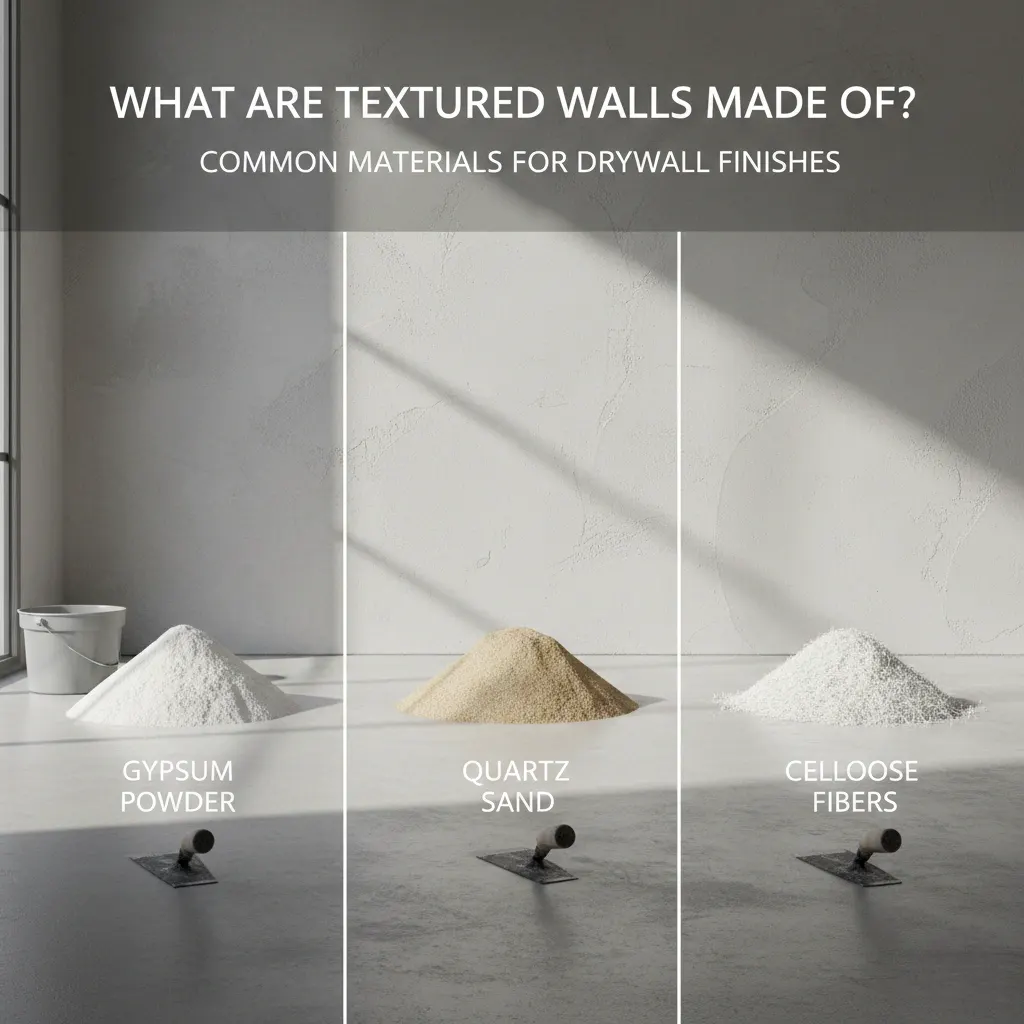
People also ask a lot of questions, and one of the most prevalent is, “What are textured walls made of?”
Textured walls are usually manufactured from the same basic materials as regular drywall walls, but they include extra layers of texture.
Drywall Compound / Joint Compound
This is the most common material. It’s spread or sprayed onto drywall to create patterns like orange peel texture or knockdown texture.
Plaster Walls
Older homes often use plaster, which allows for more artistic, hand-crafted textures using trowel-applied texture techniques.
Textured Paint
Some wall paint texture products include sand or additives to create a subtle finish without heavy compound.
Sheetrock Wall Texture
Sheetrock is a brand of drywall, so sheetrock wall texture and textured sheetrock refer to textures applied directly to drywall panels.
Why Do Builders Use Textured Walls?
Builders don’t add texture to walls just because it looks interesting. There are practical reasons that have made textured walls popular for decades.
Hiding Imperfections: The main reason builders like textured walls is that they cover faults. When you put up drywall, you have to tape and mud the joints between the panels. It takes a lot of time and skill to get these seams exactly smooth. Textured walls can hide little flaws, bumps, and dents that would be easy to see on a smooth wall. This is why wall texture is ideal for covering up flaws in new buildings and repairs.
Cost Savings:Textured walls are cheaper and faster to put up than smooth walls because they don’t need to be as flawless. Skim coating is a method that involves putting a thin layer of joint compound over the whole wall to make it smooth. It takes a lot of time and skill. Builders can save time and money by skipping this phase and adding texture instead. This is something that homeowners typically have to pay for.
Durability: Textured surfaces are more forgiving when it comes to everyday use. Textured walls hide little bumps and dings from furniture, doorknobs, and ordinary life better than smooth walls do. People really like them in places with a lot of foot traffic, including hallways and kids’ rooms.
Sound Absorption: While not their primary purpose, textured walls can help absorb sound slightly better than smooth walls. The uneven surface breaks up sound waves more than a flat surface would.
Types of Textured Walls
There isn’t just one “look” for texture. Depending on how the drywall compound is applied, you can get very different vibes.
1. Orange Peel Texture
As the name suggests, this looks like the skin of an orange. It is a spray texture that creates small, rounded bumps. It’s durable and very common in modern suburban homes.
2. Light Knockdown Texture
In 2026, a light knockdown texture is one of the most popular options. A specialist uses a flat knife to “knock down” the peaks after spraying the mud on the wall. This gives the surface a mottled, stucco-like texture that seems more expensive than orange peel.
3. Popcorn Texture
This heavy texture was popular decades ago because it helped reduce noise. It is mostly found on ceilings. But a lot of homes are taking it down today since it collects dust quickly.
4. Sand Texture
This involves mixing actual sand into the wall paint texture. It gives the wall a gritty feel, similar to a beach or a desert landscape.
Pro Tip: If you want to try a DIY project, check out our guide on How to Texture a Wall with a Sponge.
Textured Walls vs Smooth Walls
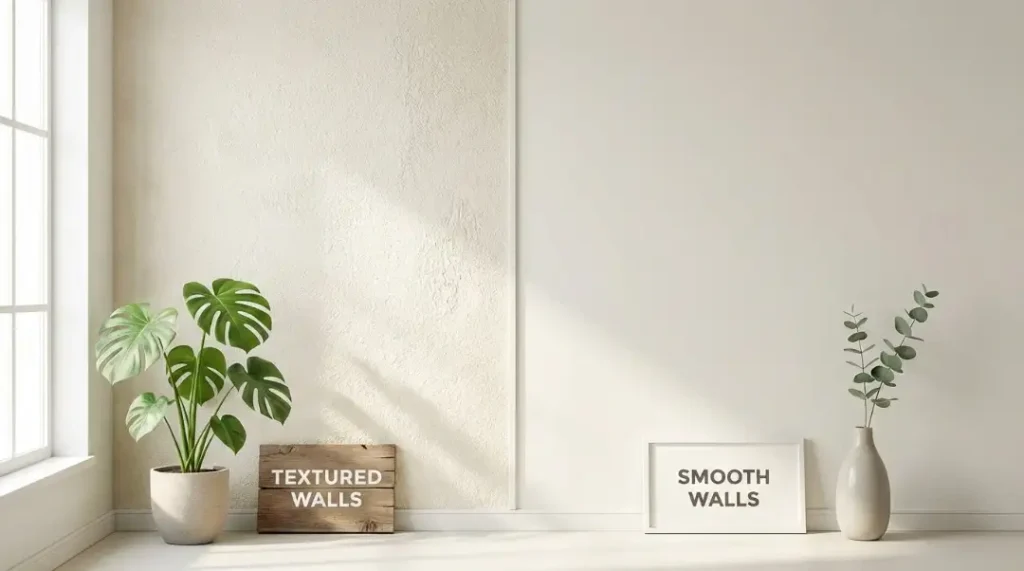
Choosing between the two usually comes down to your budget and the “vibe” of your home.
| Feature | Textured Walls | Smooth Walls |
| Cost | More Affordable | Expensive (requires more labor) |
| Repairability | Hard to match perfectly | Easy to patch and sand |
| Style | Traditional/Rustic | Modern/Minimalist |
| Cleaning | Catches dust; harder to wipe | Very easy to clean |
If you are aiming for a sleek, gallery-style home, smooth is the way to go. If you want a cozy, lived-in feel that doesn’t show every thumbprint, texture is your best friend.
Pros and Cons of Textured Walls
The Pros:
- Hides Flaws: Great for older homes where walls aren’t straight.
- Sound Buffering: The uneven surface helps break up sound waves, making rooms a bit quieter.
- Visual Interest: Adds depth to a room that might otherwise feel “flat.”
The Cons:
- Hard to Clean: Dirt and cobwebs love to hide in the ridges.
- Difficult Repairs: If you get a hole in the wall, matching the existing sheetrock wall texture is an art form.
- Hard to Remove: Going from texture to smooth requires a lot of skim coating and labor
Understanding Basic Wall Texture Types and Their Applications
Choosing the right texture for different rooms can enhance both function and aesthetics.
Living Rooms and Formal Spaces:Light knockdown or skip trowel textures are great for this room because they offer elegance without making it feel too busy. These textures, which are applied with a trowel, add visual interest that goes well with furniture and decor.
Bedrooms: For bedrooms, orange peel or light knockdown textures are best. They are subtle enough to make the room feel quiet and cover up little flaws in the walls that could show up in harsh light.
Bathrooms and Kitchens: These regions are prone to dampness, so texture that can disguise water spots or little damage is helpful. But stay away from surfaces with a lot of texture that hold moisture and are hard to clean. A light orange peel is good.
Hallways and High-Traffic Areas: Knockdown texture is perfect for areas that take abuse. The pattern hides scuffs from furniture, luggage, or everyday bumps better than smooth walls.
Home Offices: Consider your video call background smooth or very subtle texture often looks more professional on camera than heavy, dramatic textures.
How to Texture a Wall (Basic Overview)
Many homeowners search how to texture a wall or how to texture paint themselves.
Basic Steps
- Prepare and clean the surface
- Mix drywall compound properly
- Apply using spray, roller, sponge, or trowel
- Let dry and knock down if needed
- Prime and paint
DIY is possible, but professional results require experience especially for repairs and consistency.
Can You Paint or Remove Textured Walls?
Yes both are possible, but each has challenges.
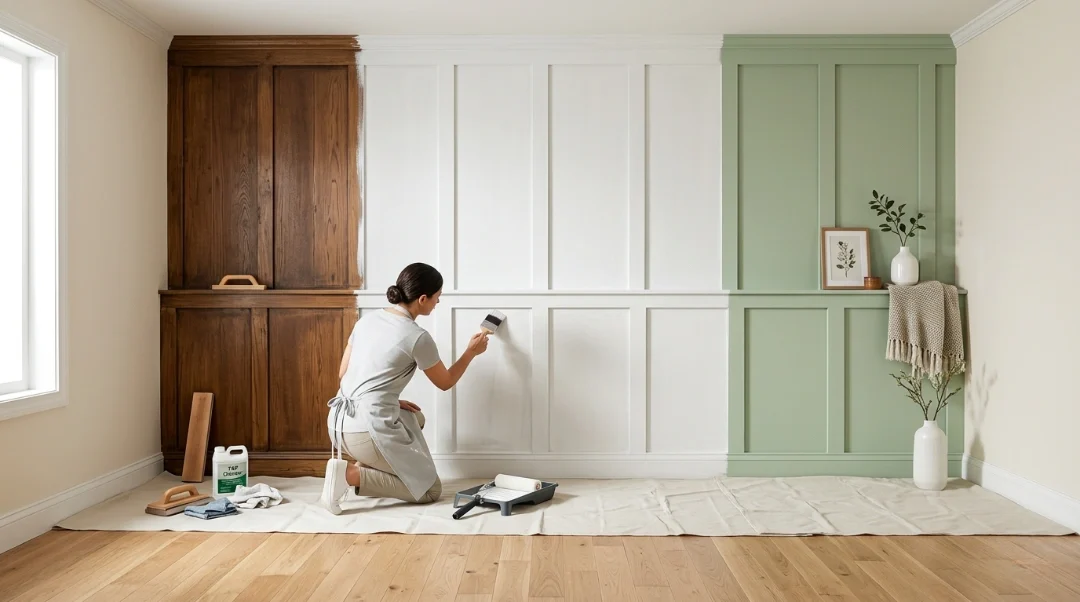
Painting Textured Walls
- Use thicker nap rollers
- Apply primer first
- Expect higher paint usage
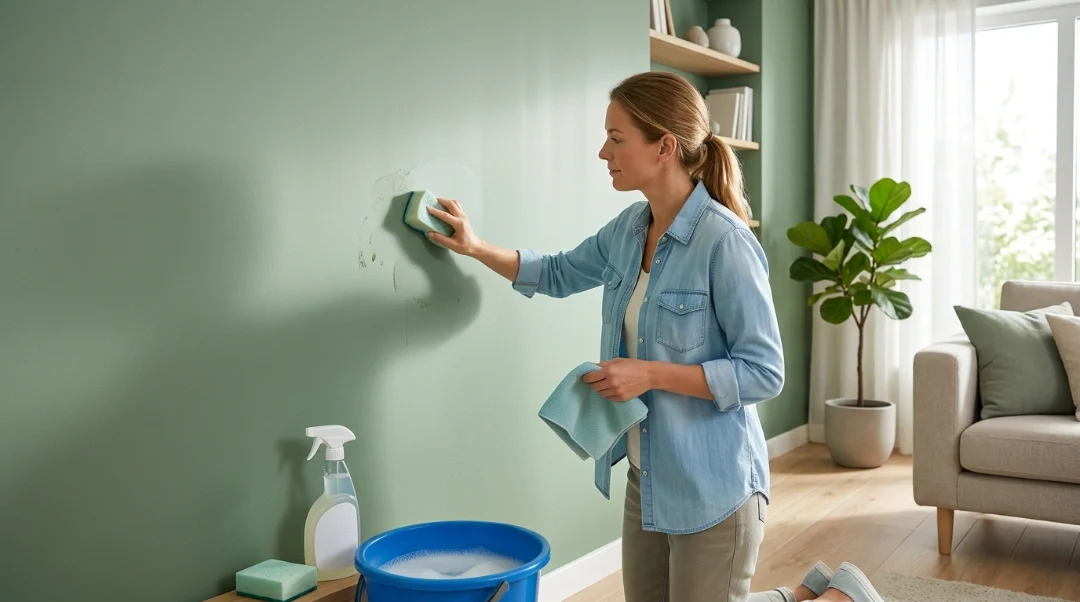
If cleaning is needed before painting, see How to Clean Textured Walls for safe prep tips.
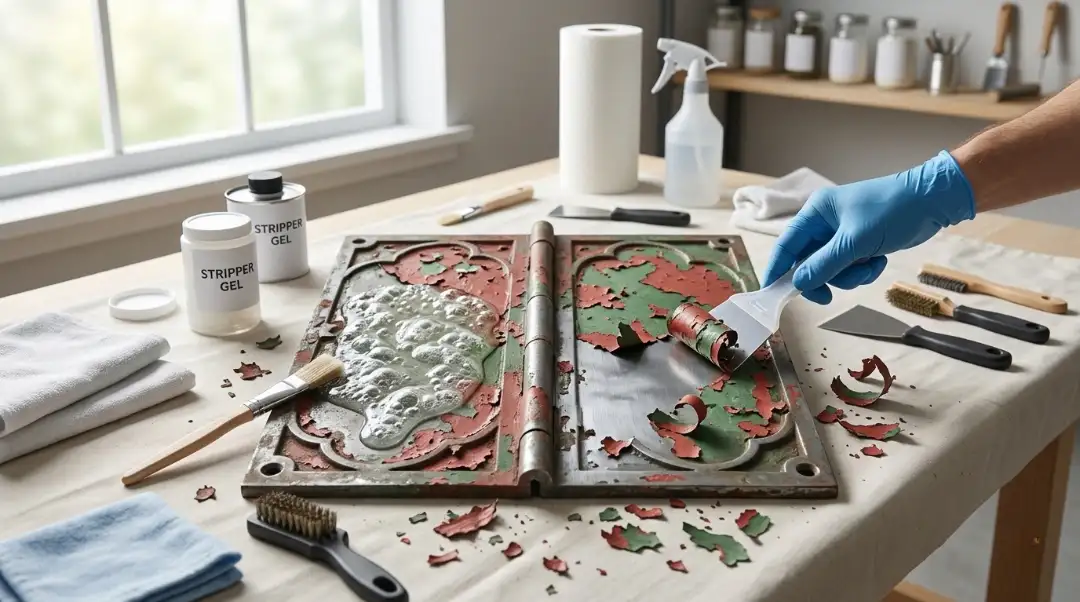
Removing Texture
- Requires scraping or skim coating
- Can be messy and time-consuming
- Often costs more than installing new texture
When Should You Choose a Textured Wall?
Textured walls make sense in several specific situations:
New Construction on a Budget: ITextured walls give a polished look at a lower cost of installation if you’re building or remodelling on a budget.
Covering Problem Walls: Texture is a great way to fix walls that are somewhat damaged, have previous repairs, or have flaws that would show through smooth finishes.
Matching Existing Texture: If you’re building on to a house with textured walls, matching the texture of the new walls to the old ones makes the whole thing look more cohesive.
Creating Specific Aesthetics: Certain design styles like Southwestern, Mediterranean, or rustic look better with textured walls that complement the overall theme.
If you’re in the Pacific Northwest, professional help ensures long-lasting results. This is where a Wall Texturing Service Seattle WA fits naturally into the decision-making process.
Why Choose Us
Wall texture isn’t an afterthought at Inter Colour Painting LLC; it’s an art. Our crew knows about current trends, the right materials, and how things will work over time. We don’t only add texture; we also assist you in picking the best finish for your area, lighting, and way of life.
Conclusion
So, what does it mean to have a textured wall? It’s an attractive, useful, and flexible method to finish the inside of your home. Textures are very important in modern construction since they can hide flaws and offer character. Even though styles come and go, the benefits of a well-done drywall texture will always be there.
It’s up to you whether you like smooth walls or a knockdown finish that adds character. Keep in mind that the quality of the application is more important than the style itself!
FAQs
What do you use a textured wall for?
It is mostly used to cover up flaws in the drywall and to make a place look nicer. It also helps to block out certain sounds.
Are walls with texture difficult to paint?
A little bit. To make sure the paint gets into all the cracks and crevices, you’ll need more paint and a roller cover with a thicker nap.
Can I make my textured walls smooth?
Yes, by using a method called skim coating. This means putting layers of joint compound on top of the texture and then sanding it down.
What kind of wall texture is fashionable right now?
The most popular textures in 2026 are light knockdown and “Skip Trowel” because they look more natural and less “mass-produced.”
Does the texture of my walls affect the value of my home?
Not always. However, old textures like popcorn ceilings make a home tougher to sell, while a modern knockdown or smooth finish makes it more appealing.