If you’re wondering should you paint your walls and trim the same color, you’re probably looking for clarity, not design jargon. Homeowners usually want to know if this choice will make a room feel larger, whether it works with their trim style, and if it will still look good a few years from now. Online photos can make the idea look effortless, but real homes come with mixed lighting, daily wear, and different molding styles that change the outcome.
This guide gives you clear, practical answers based on real design practices and paint brand guidance. You’ll learn when painting walls and trim the same color makes sense, when contrast works better, and how finish choices affect the final look. By the end, you’ll feel confident making a decision that fits your space and your lifestyle.
Table of Contents
ToggleQuick Answer
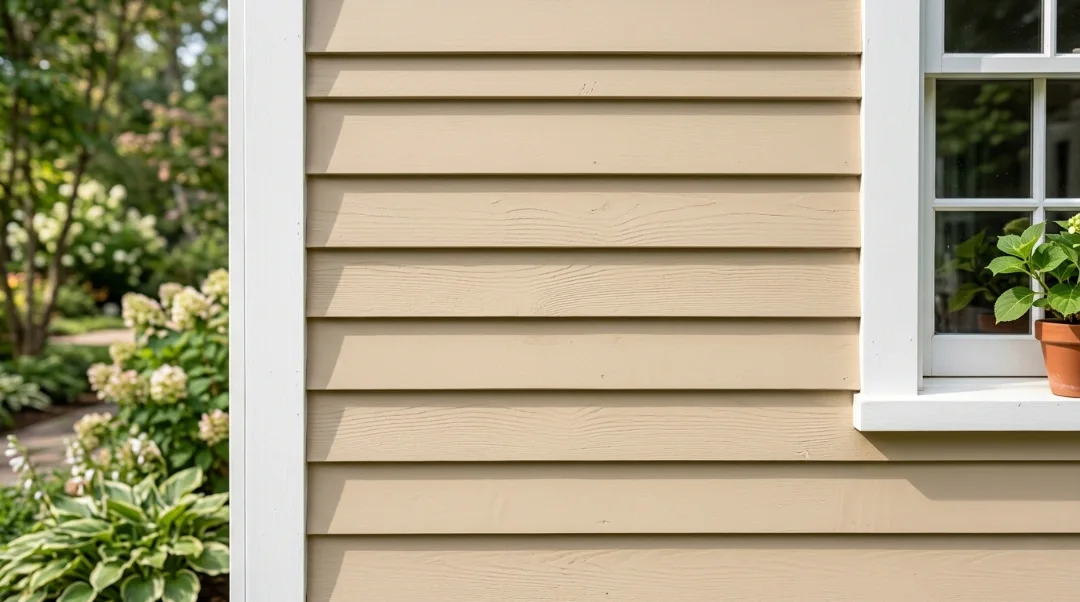
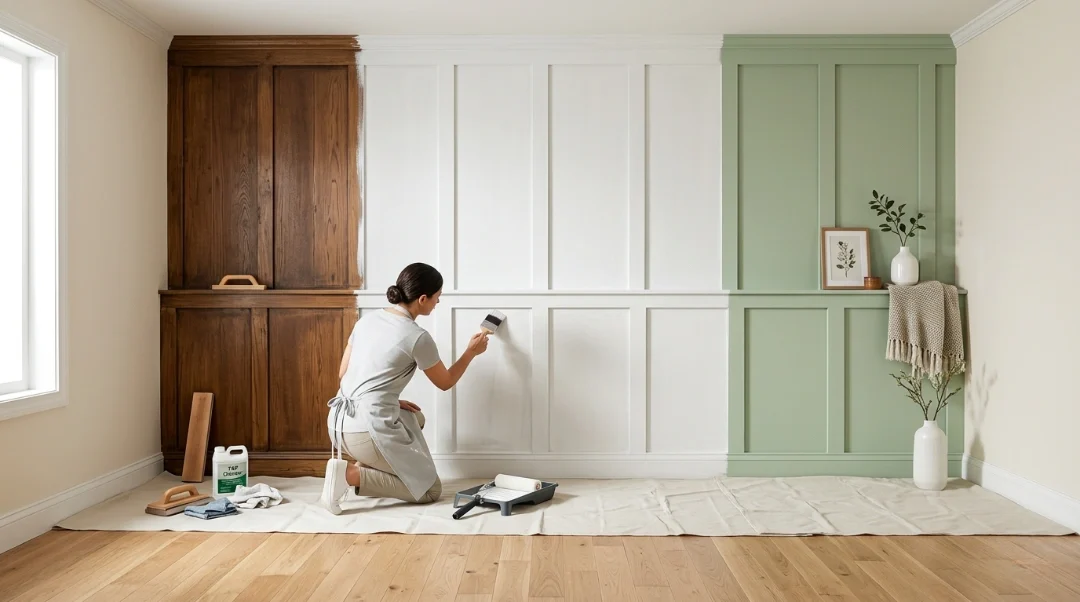
Yes, painting walls and trim the same color can work very well. It often makes rooms feel larger, cleaner, and more cohesive. That said, it does not suit every home, every room, or every trim style. The final result depends on lighting, paint finish, trim thickness, and how much contrast the space needs. When done with intention, trim same color as walls can look polished. When rushed, it can feel unfinished.
Pros and Cons: Should You Paint Your Walls and Trim the Same Color
Before grabbing a roller, it helps to look at the real pros and cons of painting trim same color as walls, not just the Pinterest version.
Pros
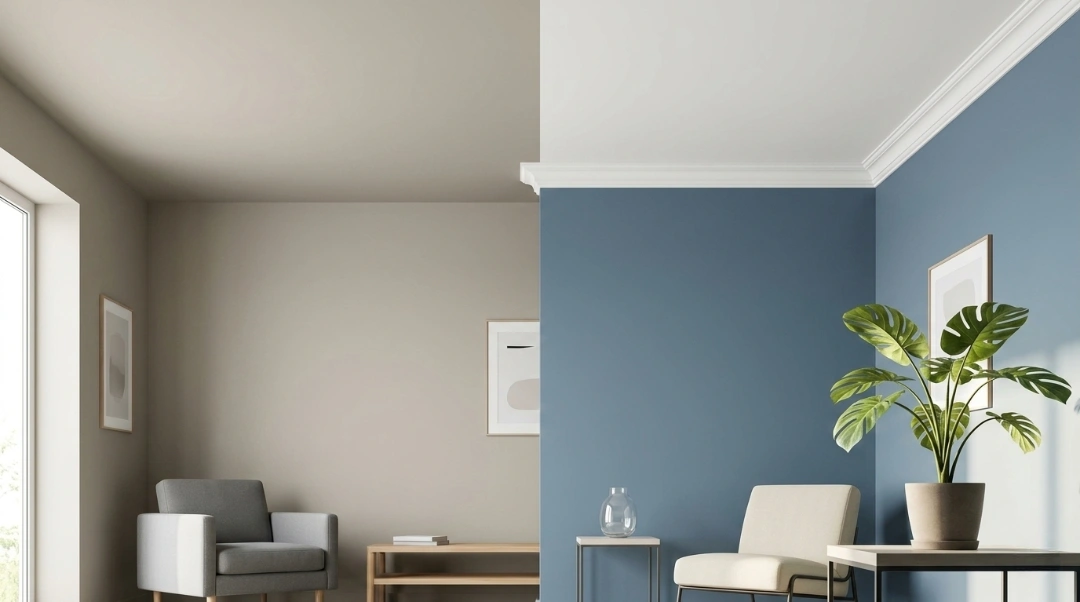
- Rooms feel larger and calmer: Designers often use a single color on walls and trim to reduce visual breaks. According to guidance from Benjamin Moore and Sherwin-Williams, fewer contrast lines allow the eye to move smoothly around a room, which can make smaller spaces feel more open.
- Modern and updated look: Painting walls and trim same color has become common in contemporary interiors. Flat-front cabinets, minimal molding, and open layouts benefit from this approach.
- Simplified color decisions: Choosing one color instead of two cuts down on guesswork. Many homeowners find this less stressful, especially when working with whites or neutrals that clash easily.
- Highlights furniture and art: When molding same color as walls, furniture, textiles, and wall art stand out more. The room reads as intentional instead of busy.
Cons
- Decorative trim can lose definition: Homes with crown molding, thick baseboards, or historic millwork often rely on contrast. Painting trim same color as walls can hide those details.
- Scuffs show faster: Trim takes more abuse than walls. When both share the same paint and finish, marks on doors and baseboards become more noticeable.
- Finish mistakes are harder to fix: Using the wrong sheen across walls and trim can make the room look flat or cheap. This happens often when finish choice gets ignored.
- Not every style supports it: Traditional, farmhouse, and colonial interiors usually look better with contrast between walls and trim.
Room-by-Room Breakdown
Not all rooms play by the same rules. Here is how painting walls and trim the same color performs in different spaces.
Living Room
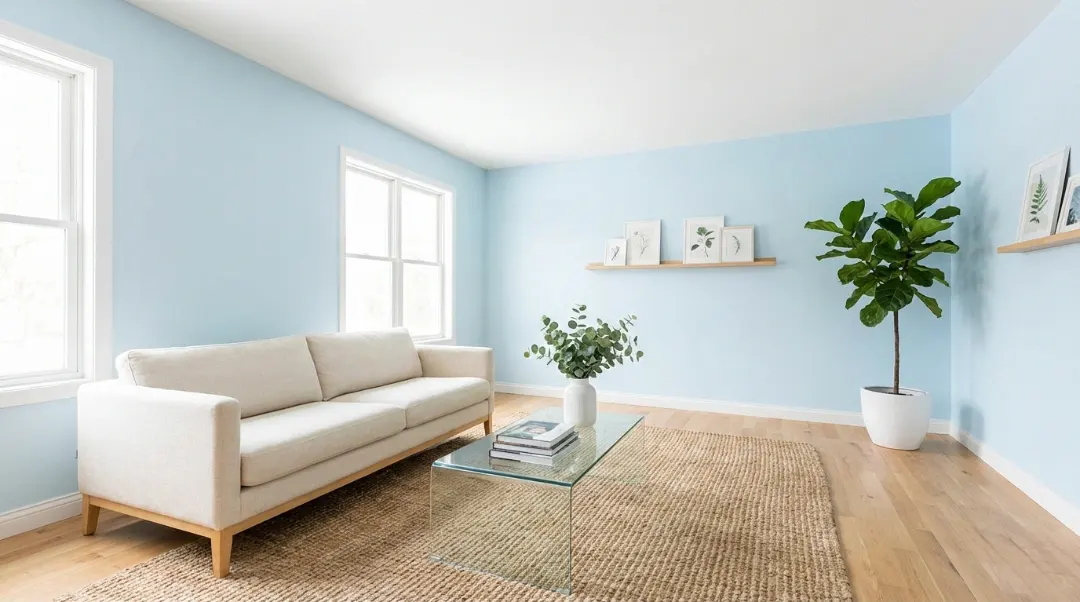
Living rooms often benefit from a unified color, especially in open layouts. Neutral shades like warm whites, soft greige, or muted taupe work well. If the room has minimal trim, trim same color as walls creates a smooth, relaxed look.
Best fit: Modern, transitional, open-plan homes
Avoid if: The room has ornate molding or dark wood features
Bedrooms
Bedrooms respond well to this approach. Designers from the American Society of Interior Designers often suggest low-contrast palettes in sleeping spaces to support calm and rest.
Soft blues, sage greens, and warm off-whites work well. Using the same color helps the room feel more cocoon-like without feeling dark.
Best fit: Primary bedrooms, small guest rooms
Avoid if: The room lacks natural light and uses dark colors
Bathrooms
Bathrooms can look sharp when walls and trim match, especially in powder rooms. According to Farrow & Ball’s design guidance, small bathrooms benefit from fewer visual breaks.
Moisture-resistant paint and the right sheen matter more here than color choice.
Best fit: Powder rooms, modern baths
Avoid if: The bathroom has traditional wainscoting meant to stand out
Kitchens
This approach works best when the walls, trim, and even cabinets stay in the same family of color. White kitchens often use this method with different finishes to keep things from feeling flat.
Best fit: Minimal or Scandinavian-style kitchens
Avoid if: Cabinets already create heavy contrast
Hallways and Staircases
Hallways gain a lot from painting walls and trim same color. Long, narrow spaces feel less choppy, and staircases look cleaner.
Best fit: Narrow or dark hallways
Avoid if: The staircase trim is a main architectural feature
Finish Matters More Than Color
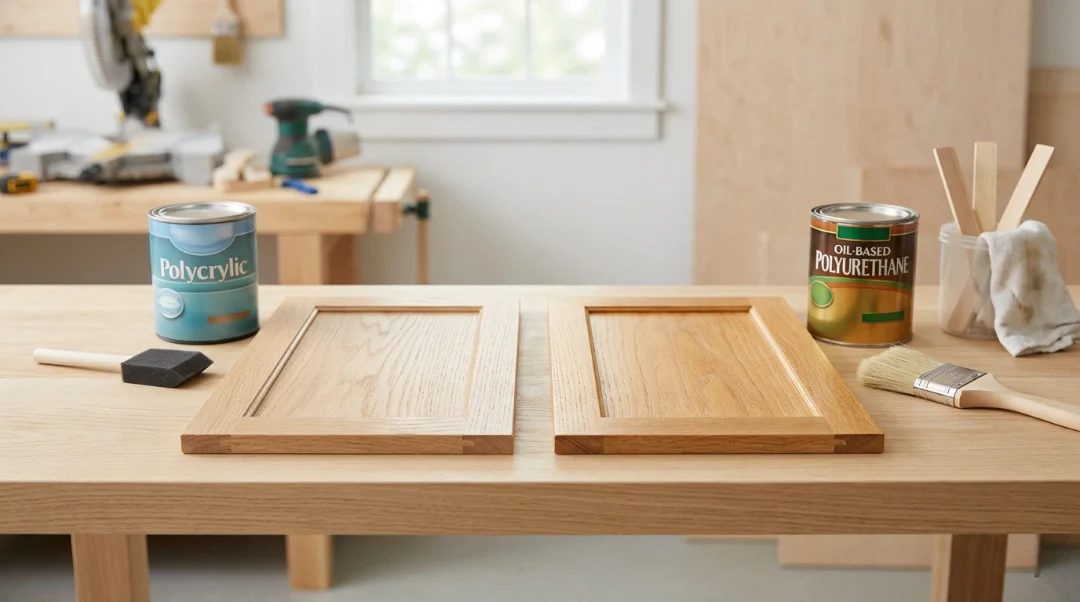
This is where many projects go sideways. Paint finish shapes how light hits the surface, how durable it feels, and how polished the result looks.
Same Color, Different Finish
Professional painters often recommend:
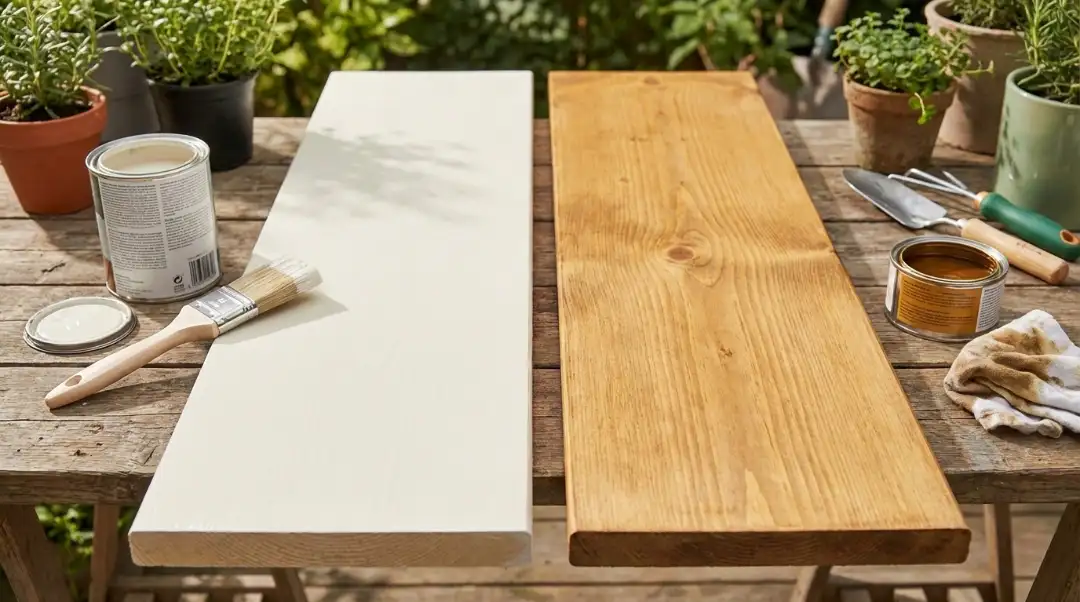
- Flat or matte on walls
- Satin or semi-gloss on trim
Sherwin-Williams and Benjamin Moore both support this approach in their homeowner guides. It keeps the color consistent while letting trim handle daily wear.
Same Color, Same Finish
This works in very modern spaces with minimal trim. Matte or eggshell throughout can look stylish, but scuffs show quickly.
Gloss Everywhere
High-gloss walls and trim look striking but show every flaw. Designers usually reserve this for statement rooms or historic restorations.
Common Mistakes
Even good ideas can go wrong. These are the most common slip-ups painters see.
Choosing pure white without testing:Lighting changes white more than any other color. Test samples at different times of day.
Ignoring trim thickness: Thin, modern trim handles matching colors better than thick, decorative molding.
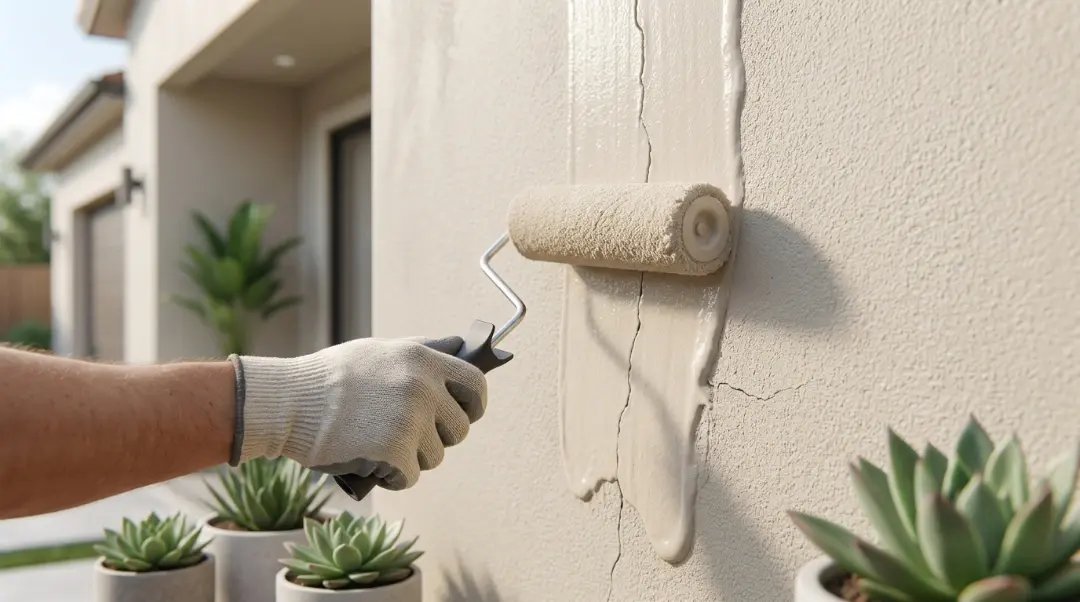
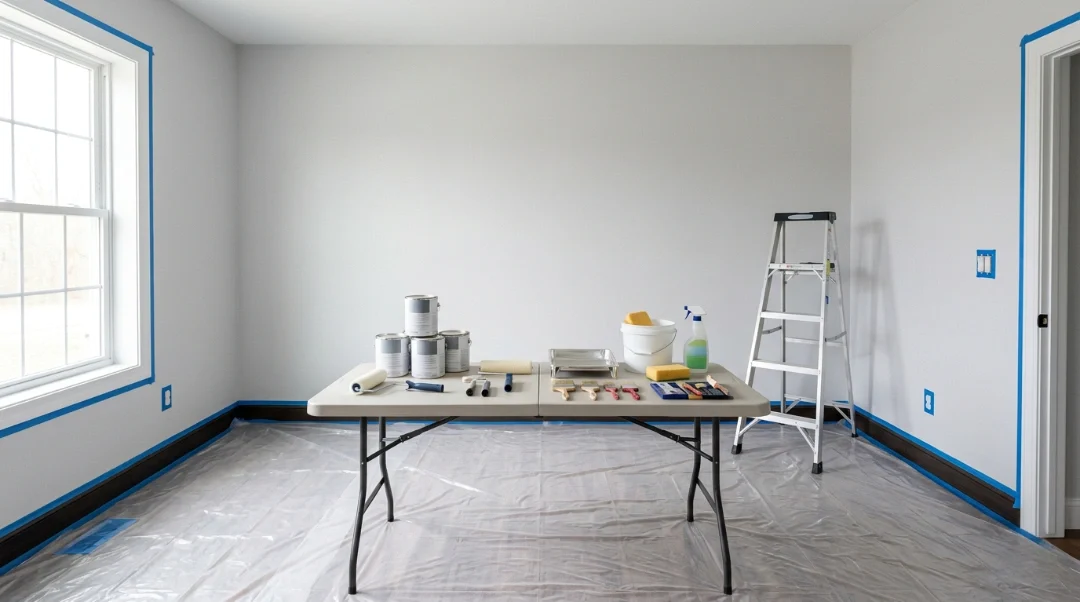
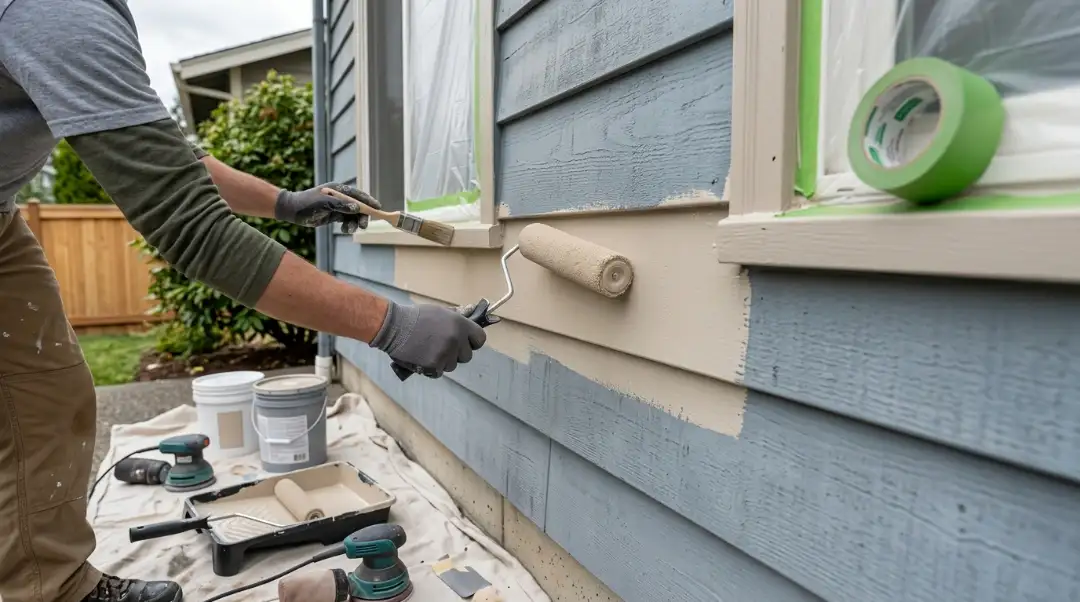
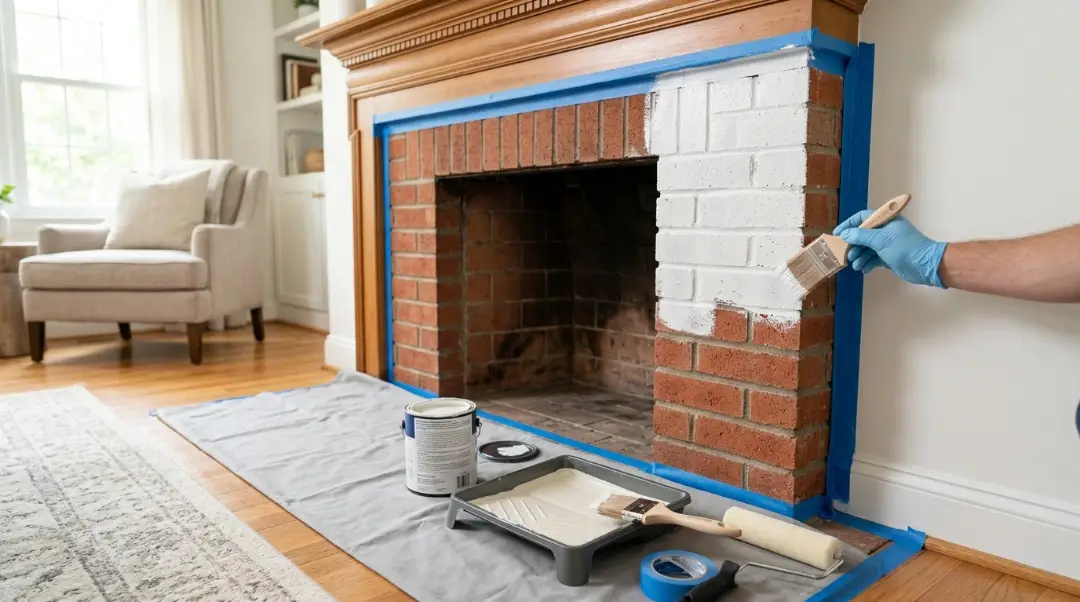
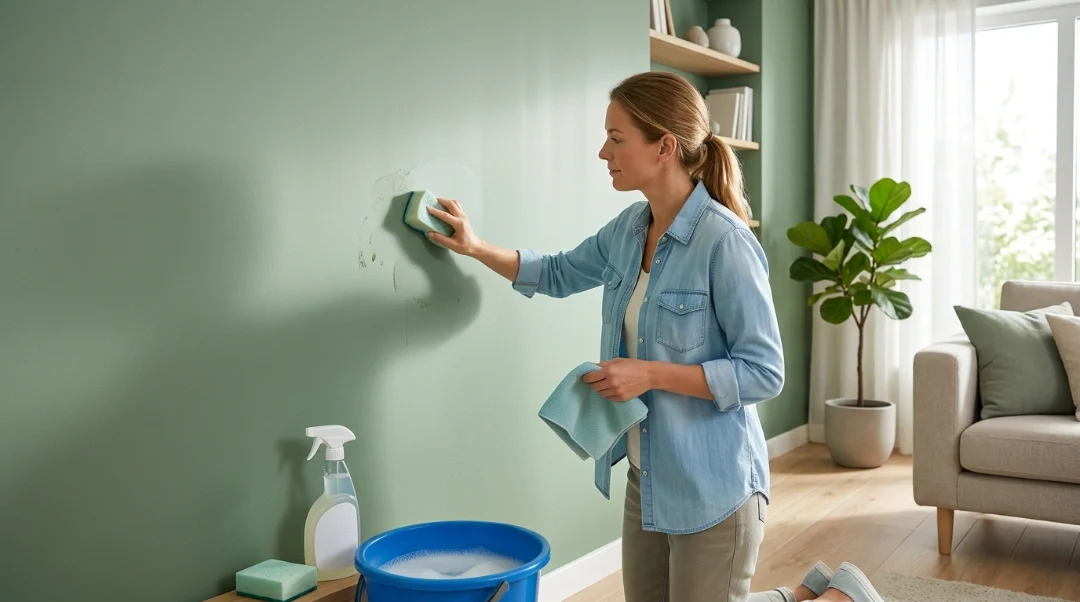
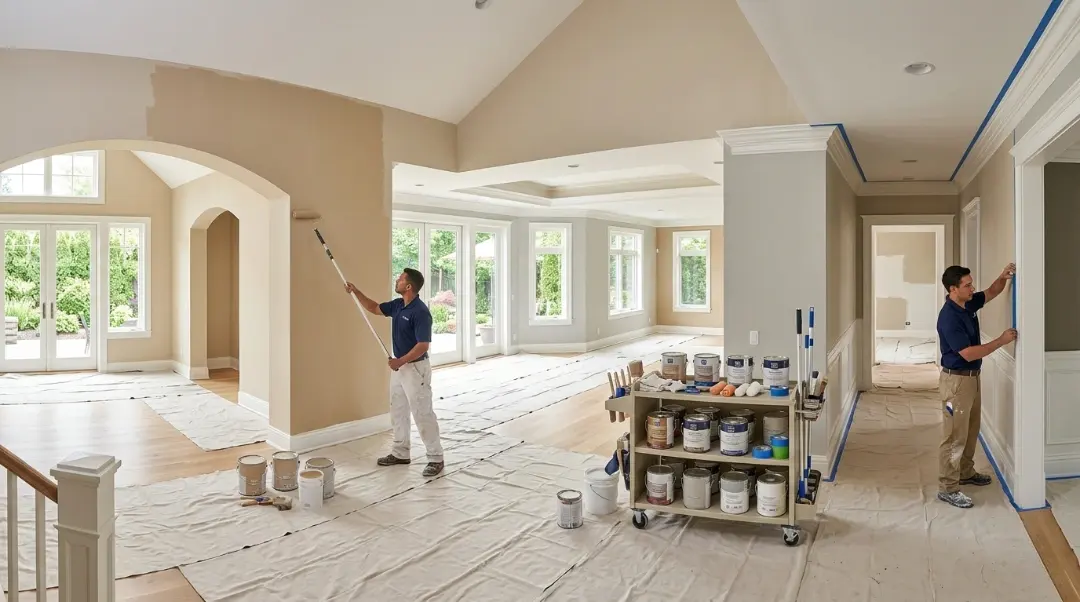
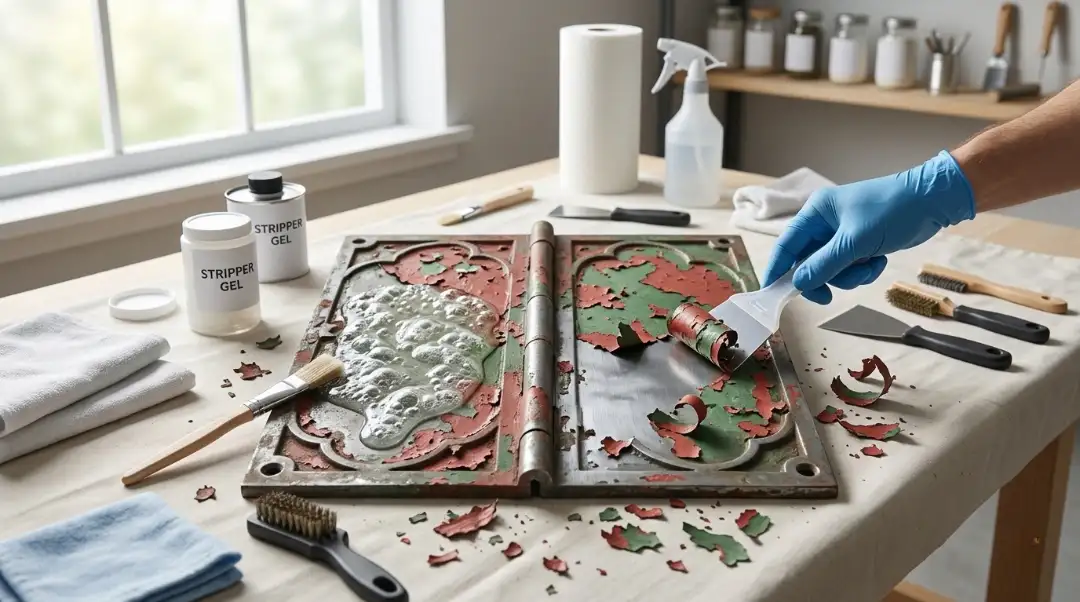
Skipping prep work: Trim needs sanding and cleaning. Paint cannot hide dents and brush marks.
Using one finish everywhere: Walls and trim live different lives. Treat them accordingly.
Forgetting ceilings and doors: When painting trim same color as walls, doors and ceilings need a plan too. Leaving them bright white can break the look.
Conclusion
So, Should You Paint Your Walls and Trim the Same Color?? For many homes, the answer is yes, as long as the choice fits the room, the trim style, and the lighting. This approach can create a clean, modern look, make smaller spaces feel larger, and simplify color decisions. At the same time, it asks for careful attention to paint finish, prep work, and overall balance. When those details line up, painting walls and trim the same color feels intentional rather than accidental.
If you want professional guidance or a flawless finish, Inter Color Painting LLC offers reliable House Painting Service in Seattle backed by experience and honest advice. If you’re planning a refresh or need help choosing the right approach for your home, contact us today and let’s talk about your space.
FAQs
Is it okay to paint walls and trim the same color?
Yes, painting walls and trim the same color is widely accepted in modern interior design. Paint manufacturers like Benjamin Moore and Sherwin-Williams support this approach when the finish and surface prep are handled correctly. It works best in spaces with simple trim and good lighting, where a cohesive look feels intentional.
Does painting trim the same color as walls make a room look bigger?
In many cases, yes. When trim and walls share the same color, the eye does not stop at contrast lines. Designers often use this method to help small or narrow rooms feel more open. This effect is strongest in hallways, bedrooms, and rooms with lower ceilings.
What paint finish should I use if walls and trim are the same color?
Professionals usually recommend different finishes even when the color stays the same. Flat or matte paint works well on walls, while satin or semi-gloss suits trim. This advice comes directly from paint brand application guides, as trim needs more durability and easier cleaning.
Is painting walls and trim the same color a good idea for resale?
Yes, when done with neutral colors and clean execution. According to housing and remodeling guidance from the National Association of Realtors, buyers prefer spaces that feel cohesive and well maintained. Matching walls and trim does not reduce value when the color choice fits the home’s style.
Should trim be lighter or darker than walls?
There is no single rule. Traditional interiors often use lighter trim for contrast, while modern homes frequently use trim same color as walls. The decision depends on the trim design, room size, and desired visual impact rather than resale concerns alone.
Does this style work in older or historic homes?
It can, but caution helps. Older homes with decorative molding often look better when trim stands out. Painting molding same color as walls may hide craftsmanship that adds character. Many preservation experts suggest keeping contrast in homes with original millwork.
Will scuffs and marks show more on matching trim and walls?
Yes, especially if the same low-sheen paint is used everywhere. Trim gets more contact from hands, shoes, and furniture. Using a higher-sheen finish on trim helps reduce visible wear while keeping the color consistent.
Can I paint doors the same color as walls and trim?
Yes, and this is common in contemporary interiors. Interior design firms often recommend this for a seamless look, especially in small spaces. Doors painted the same color can visually disappear, which keeps the focus on furniture and natural light.
Is white the best color for painting walls and trim the same color?
White is popular, but not always the best choice. Whites shift based on lighting and undertones. Paint brands advise testing samples on both walls and trim before committing. Warm whites tend to feel softer and more forgiving than pure bright white.
Should ceilings match walls and trim too?
Sometimes. Matching ceilings can work in rooms with low ceilings or minimal architectural detail. Many designers suggest keeping ceilings slightly lighter unless the goal is a dramatic or enveloping effect.