When people want to paint a home or a business, one of the first things they want to know is commercial painting costs more than residential painting. When money, time, and property value are at stake, it’s a legitimate question.
Most people think that commercial painting is always more expensive. That’s true in a lot of circumstances, but not all of them. The truth is a little more complicated. There are different ways to get ready, different amounts of work, different surfaces, different safety guidelines, and varied time frames for both types of tasks. Also, the cost of commercial painting, the quality of the materials, and the size of the structure are typically very different from those of residential painting.
In this in-depth tutorial, we’ll go over the main distinctions, the greatest costs, and how to figure out the average cost of painting a home, office, store, warehouse, or any other sort of facility.
Table of Contents
ToggleUnderstanding the Differences Between Commercial and Residential Painting Projects
At a glance, painting might seem like a straightforward task: apply paint to a surface. But the reality is that commercial and residential painting are two distinctly different beasts, each with its own set of challenges, requirements, and, inevitably, costs. Think of it like comparing a family sedan to a heavy-duty freight truck both are vehicles, but their purpose, construction, and operational expenses are entirely different.
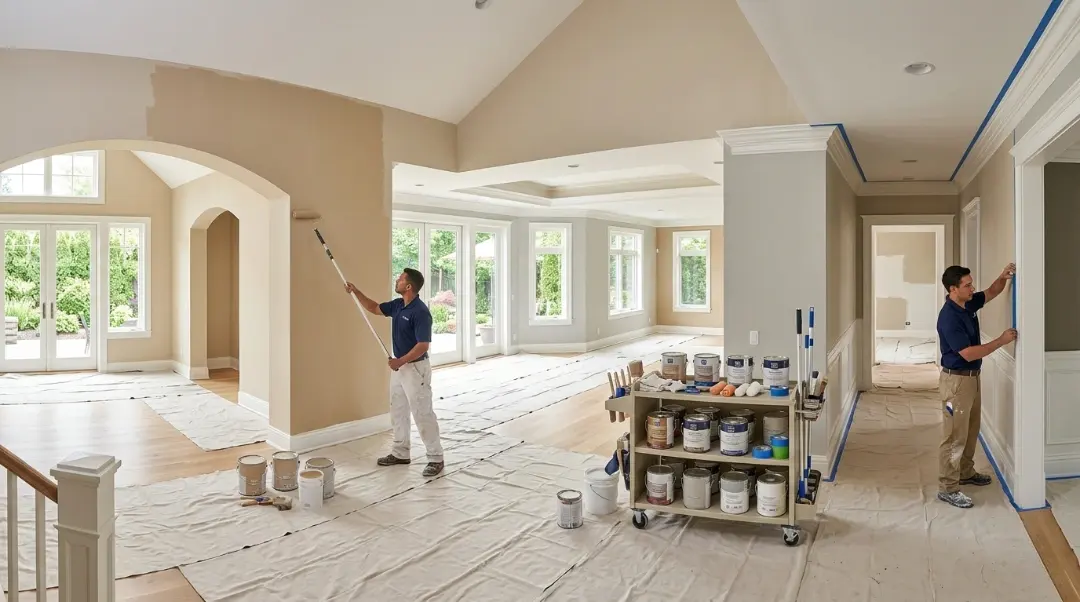
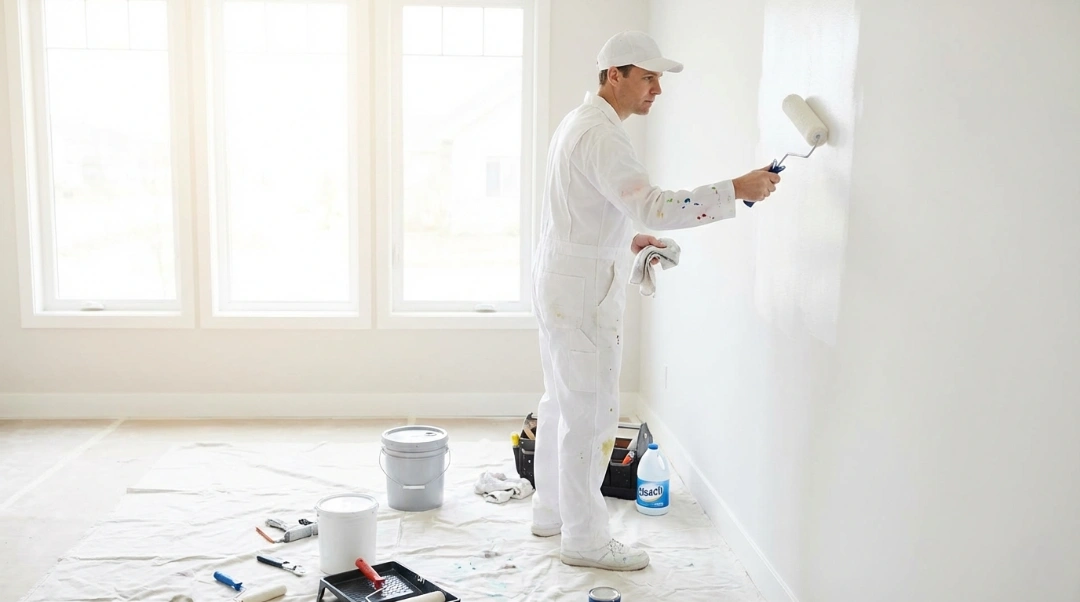
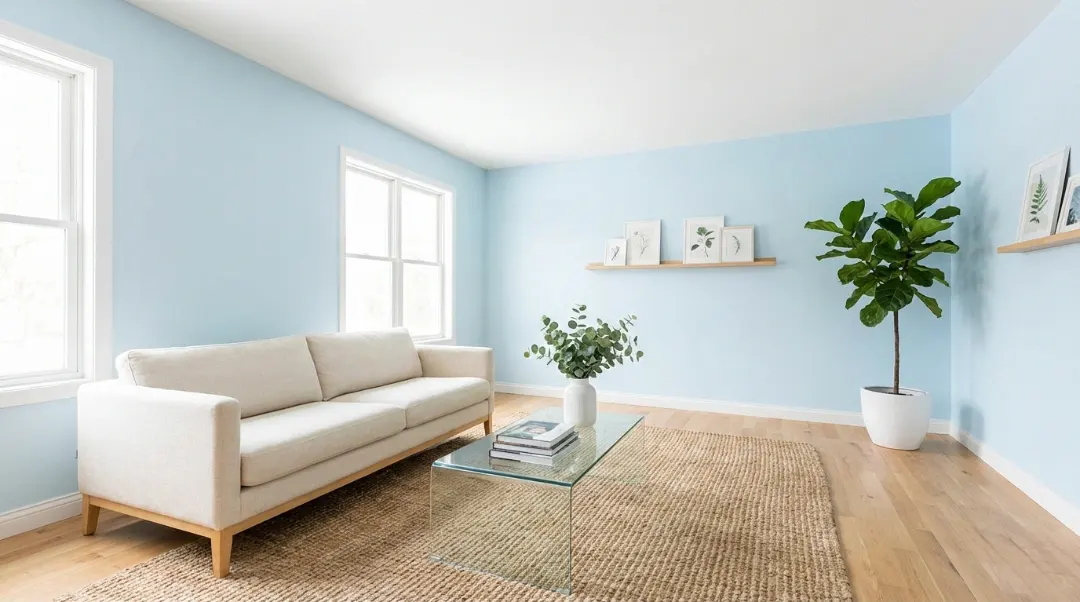
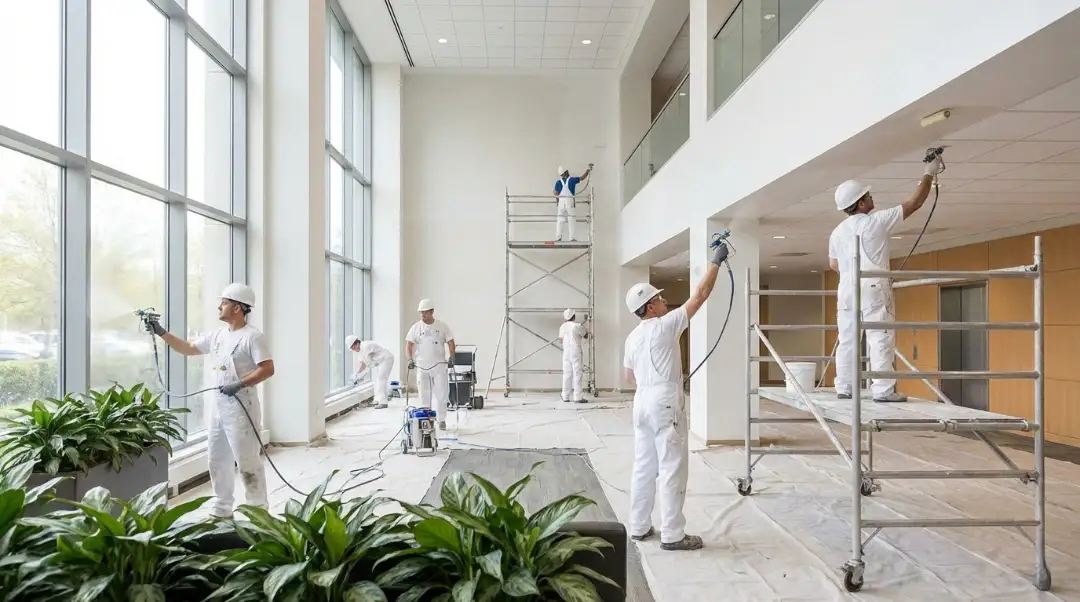
Scale and Scope: This is probably the most noticeable difference. Most residential developments are for single-family homes, townhouses, or apartments. It’s easy to handle because it only covers a few rooms or the outside of one building. On the other hand, commercial projects can be anything from a little store to a multi-story office building, an industrial complex, a hospital, a school, or a large residential building. The project is much bigger and more complicated because there are so many surfaces to paint, both inside and outside. The cost to paint the outside of a business building will naturally be much more than the cost to paint a normal dwelling.
Property Usage and Durability Demands: A home is a private environment that is worn down by the daily activities of a family. Durability is vital, but looks and comfort are typically more important. But commercial buildings have to deal with a lot more traffic and worse circumstances. Think about how busy an office building’s hallway gets, how wet a restaurant kitchen is all the time, or how strict the hygiene rules are in a medical facility. The business interior painting cost is directly affected by the fact that these places need paints and finishes that can handle a lot of wear and tear, regular cleaning, and certain environmental considerations.
Factors That Influence the Cost of Residential Painting
While our core question, is commercial painting more expensive than residential, can usually be answered with a qualified yes, it is crucial to understand the high-end variables that can make a residential project far more costly than an average commercial job. This is where the price per square foot comparison gets tricky.
1. The “Luxury Tax” of High-End Finishes
The most significant cost driver in residential painting is the client’s desire for perfection and customization.
- Premium Materials: Homeowners often select ultra-premium, designer-grade paints that offer superior pigment depth, durability, and low-VOC properties. While a commercial project buys paint by the drum for volume discounts, a luxury home might require multiple specialty tints and small batches of expensive paint (sometimes $75–$120 per gallon or more) for different rooms or trim work.
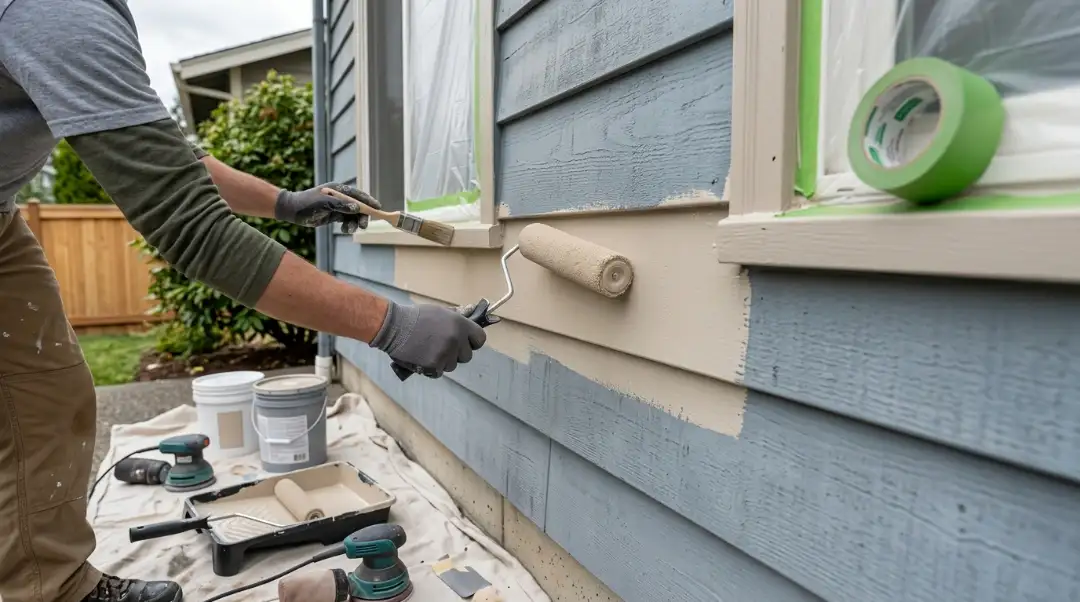
- Intricate Details: Residential work is meticulous. Painting complex Victorian trim, extensive crown molding, custom built-ins, or achieving a flawless finish on cabinetry requires highly skilled labor and hours of detailed hand-brushing. This drives up the cost of interior painting per square foot because the painter is covering less area per hour.
- Faux Finishes and Specialty Treatments: Techniques like Venetian plaster, metallic finishes, or complex murals are specialized art forms. These require artists, not just painters, and their hourly rates reflect that unique expertise.
2. Preparation and Protection Overheads
In a home, the contractor is protecting a lifetime of personal belongings, expensive flooring, and irreplaceable furniture.
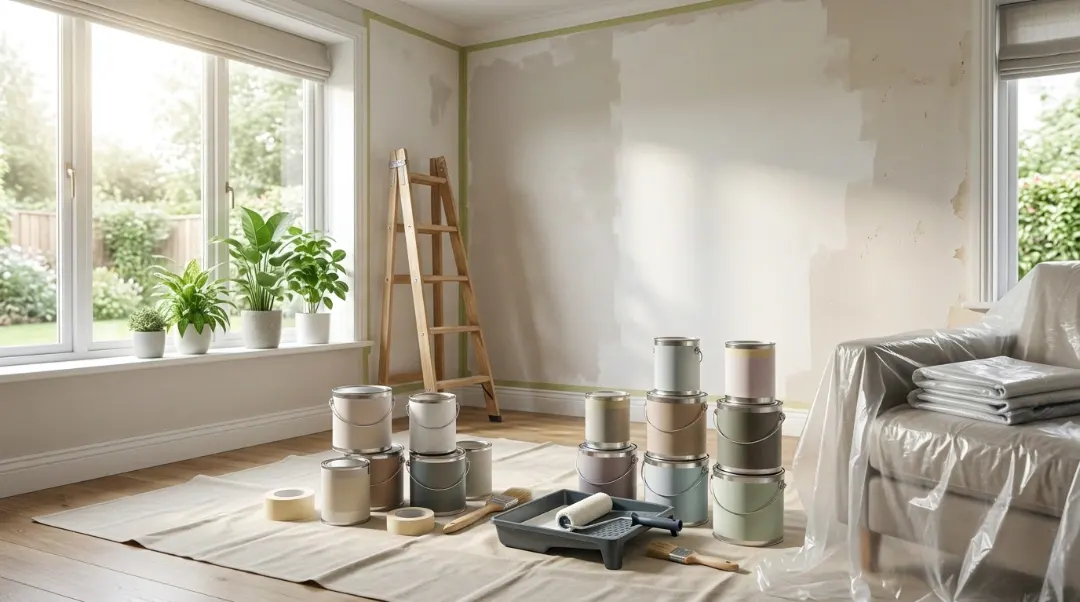
- Extensive Masking and Draping: The sheer time required to move, cover, and meticulously mask off every surface in an occupied home from crystal chandeliers to custom millwork is a massive labor investment.
- Old Home Challenges: Historic homes or older residential properties often present costly surprises, such as lead-based paint abatement or extensive drywall/plaster repair. These required preparation steps can easily double the labor portion of the initial estimate.
3. Accessibility and Property Layout
A house with a lot of levels on a steep slope or a lot of landscaping around it can cost a lot more. It takes longer to paint a flat, open factory wall than to navigate tight places, set up ladders on uneven ground, and avoid fragile garden features.
Taking all of these precise aspects into account, it’s easy to see why commercial painting costs more than residential painting. But that’s not always the case. Let’s look more closely at the precise cases in which domestic painting can be just as expensive as or even more expensive than commercial painting.
Regulatory and Safety Standards: This is where commercial painting really diverges. Residential painters adhere to general safety practices, but commercial projects are subject to a much stricter set of regulations, particularly from bodies like OSHA (Occupational Safety and Health Administration). This includes specific requirements for scaffolding, aerial lifts, hazardous material handling (especially with older buildings containing lead-based paint or asbestos), and worker safety training. These stringent safety protocols and necessary certifications add layers of complexity and cost to every commercial job.
Operational Impact: For homeowners, painting usually means a temporary disruption to daily life. For a business, painting during operational hours can mean lost revenue, customer inconvenience, and safety hazards for employees and clients. Therefore, commercial painting often requires off-hours work nights, weekends, or even holiday periods to minimize disruption. This flexibility, while crucial for businesses, significantly increases labor costs due to overtime pay.
Aesthetic vs. Functional Priorities: While both types of painting aim for a good look, the underlying priority shifts. For a home, the color palette and finish contribute to personal style and comfort. For a business, the paint job often serves functional purposes beyond aesthetics branding, wayfinding, creating a specific atmosphere for customers, or meeting industry-specific sanitation standards. For example, a restaurant kitchen might need a specific type of anti-microbial paint, while a retail store might need colors that align perfectly with its brand guidelines.
Considering these fundamental differences, it becomes clearer why the initial assumption that is commercial painting more expensive than residential generally holds true. The underlying demands and complexities are simply on a different level.
Preparing for a Commercial Painting Project: The Hidden Costs
A successful commercial paint job begins long before the first drop of paint is applied. The pre-project phase involves mandatory checks and compliance steps that introduce fixed costs regardless of the building’s size. These logistics are the reason is commercial painting more expensive than residential almost always holds true for comparable quality work.
1. Due Diligence and Permitting
Unlike a residential paint job, which rarely requires a permit, a commercial project often does, particularly for exterior work on large structures or when using specialized coatings.
- Permit Acquisition: Applying for, securing, and paying for municipal permits adds administrative cost and time.
- Building Code Compliance: The paint used must meet specific fire-safety, health, and environmental codes (especially in schools, hospitals, or public assembly spaces). The contractor is responsible for ensuring the chosen materials meet the stringent requirements of the local jurisdiction.
2. Safety Planning and Insurance
Safety is the single largest non-material cost differentiator.
- Insurance and Bonding: Commercial painting contractors must carry significantly higher liability insurance and often require performance bonds (guarantees) for large contracts. These premiums are factored directly into the commercial painting cost.
- Site-Specific Safety Plans: Every commercial job requires a Job Hazard Analysis (JHA) and a detailed safety plan, complete with lockout/tag-out procedures, confined space protocols, and certified aerial lift operators. The time spent planning, documenting, and implementing these measures is a necessary cost of doing business.
3. Surface Preparation: The Industrial Requirement
While a residential painter cleans and scrapes, a commercial painter often needs industrial-grade preparation.
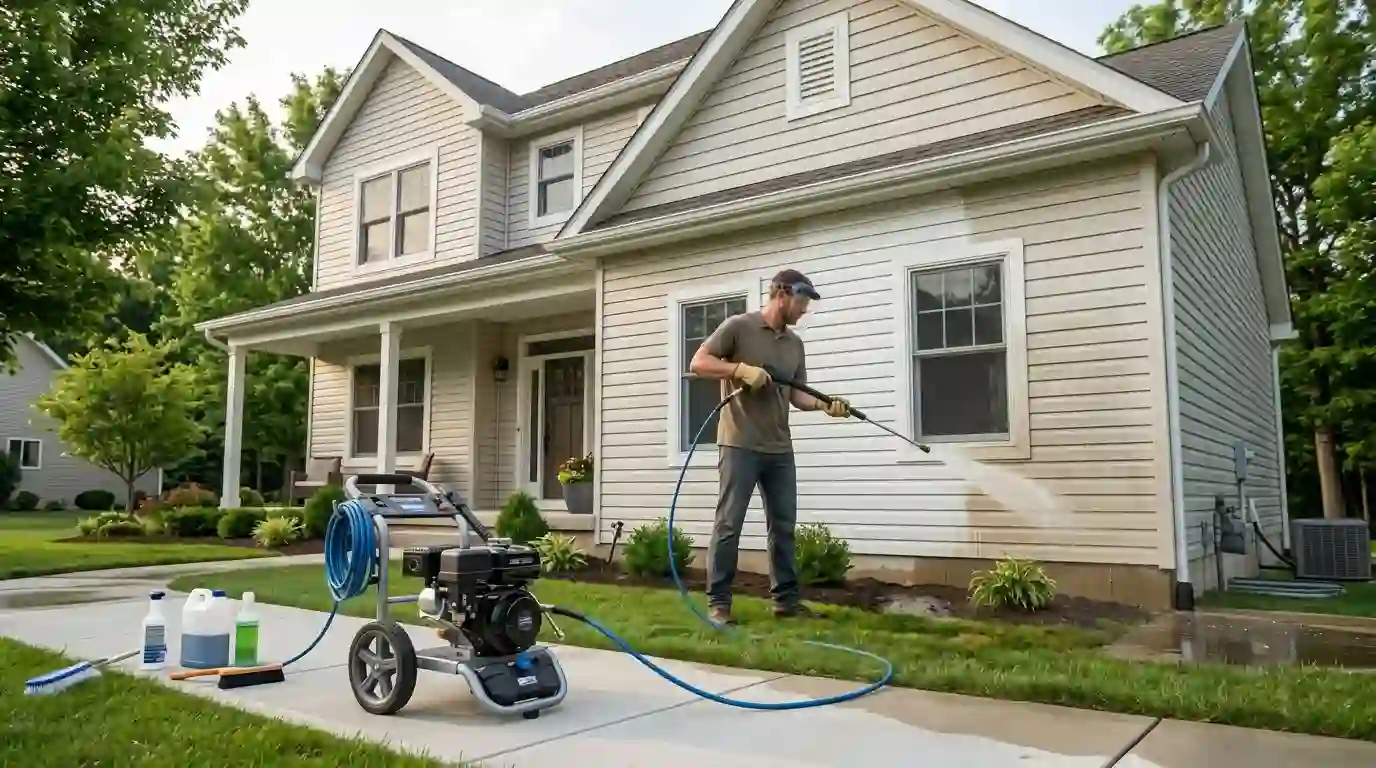
- Specialized Cleaning: Exterior commercial surfaces often need chemical washing, sandblasting, or high-pressure water jetting (power washing) to remove industrial contaminants, oil, or previous failed coatings before any new paint can adhere correctly.
- Repairs and Priming: Extensive repair of concrete, steel corrosion (rust), or degradation of commercial stucco is common and essential for coating performance. These steps dramatically increase the price per square meter painting calculation before the actual painting even starts.
The Type of Paint and Finishes Used for Commercial Projects
The materials themselves represent a fundamental cost difference. Commercial-grade coatings are engineered for performance under stress, making them significantly more expensive per gallon than even premium residential paint.
1. High-Performance Architectural Coatings
Commercial paint is not about color; it’s about protection. These coatings are designed to offer a superior level of resistance to:
- Abrasion and Impact: For high-traffic areas like loading docks, corridors, and public bathrooms.
- Chemical Exposure: Essential in laboratories, food service areas, and manufacturing facilities where chemicals, solvents, or strong cleaning agents are constantly used.
- Humidity and Temperature Extremes: For warehouses, cold storage facilities, and exterior surfaces subjected to harsh weather.
2. The Cost of Specialty Coatings
The most substantial material costs stem from specialized, multi-component systems:
| Coating Type | Application | Key Cost Driver |
| Epoxies and Urethanes | Floors, concrete walls, equipment. | High cost of resins and necessary multi-layer application. |
| Intumescent (Fire-Retardant) Paints | Structural steel and critical load-bearing surfaces. | Specialized formulation and rigorous inspection/testing required. |
| Elastomeric Coatings | Exterior surfaces (masonry, stucco) requiring waterproofing. | High-solids content and the necessity for thick application films. |
| Anti-Microbial Coatings | Healthcare facilities, schools, and food processing plants. | Specialized additives designed to inhibit the growth of bacteria and mold. |
Using these high-tech materials requires highly trained crews and specialized mixing/application equipment, adding another layer to the already high commercial painting cost.
How to Estimate the Cost of Your Commercial Painting Project
If you want to have a better idea of your entire budget, don’t only look at the big numbers; instead, break down the costs into their parts. The typical cost of painting a business building is between $2.50 and $6.00 per square foot, however this is a huge range because of the considerations outlined below.
1. The Square Footage Breakdown: Interior vs. Exterior
The simple average can be misleading. Exterior jobs are often cheaper per square foot because of faster application methods (spraying) on large, uniform surfaces, but they require expensive access equipment. Interior jobs are often more costly per square foot due to higher labor complexity (cutting in around doors, windows, and trim) and the need for off-hours work.
- Commercial Interior Painting Cost: Generally ranges from $2.50 to $5.50 per square foot for standard walls, ceilings, and trim in an office setting. Highly complex areas or detailed surfaces can push this much higher.
- Cost to Paint Exterior Commercial Building: Ranges from $3.00 to $6.00 per square foot for basic, low-rise commercial structures. Costs increase significantly for high-rise buildings due to scaffolding and lift expenses.
2. Labor Cost: The Dominant Factor
Labor is typically 60% to 80% of the total commercial painting cost.
- Labor Cost of Painting Per Square Foot: This variable is influenced by the required skill level, the accessibility of the surface, and the speed of application. A highly experienced crew using a sprayer on a large, open warehouse wall can achieve a very low labor cost per square foot, while a smaller, detailed retail space requiring a brush-and-roll application during overtime hours will have a much higher labor component.
- Hourly Rates: While highly variable by region, commercial painters generally command a higher hourly rate than residential painters to account for the specialization, certifications, and risk associated with commercial environments.
3. Material Cost Breakdown
The cost of materials is often standardized by volume, but specialty coatings distort this.
- Paint Price: High-performance epoxies, urethanes, and specialty primers can cost anywhere from $75 to over $200 per gallon, compared to $40–$60 per gallon for quality residential paint.
- Coverage vs. Cost: It’s vital to consider coverage. High-performance coatings sometimes require specific film thicknesses (Dry Film Thickness, or DFT) and may only cover 200 square feet per gallon, as opposed to 350-400 square feet for a typical latex paint. This increases the total number of gallons needed, raising the overall material cost significantly.
Conclusion
So, is painting for businesses more expensive than painting for homes? Yes, in most circumstances. This is because commercial projects need bigger staff, better equipment, longer-lasting coatings, and tighter safety standards. These extra requirements inevitably raise the entire cost of the venture. But the increased price also gives you long-term value by providing better protection, better performance, and a more professional finish that helps your business look good.
If you want to get good, reliable results on a commercial painting project, working with experienced specialists is the best way to do it. Seattle Painting Expert offers reliable commercial painting services in Seattle that are customized to meet the demands of offices, stores, warehouses, and other commercial facilities. With the proper people on your team, you can be sure that your job will be done quickly, safely, and with a finish that lasts for years.
FAQs
Why is commercial painting more expensive than residential painting?
Commercial painting is generally more expensive because it involves larger areas, advanced equipment, higher-performance coatings, and strict safety requirements.
What is the average painting cost per square foot for commercial buildings?
The cost varies depending on surface condition, paint type, and accessibility, but commercial rates are typically higher than residential due to complexity and safety needs.
Does exterior commercial painting cost more than interior?
Often yes, because exterior surfaces require specialized coatings, weather preparation, and safety equipment such as lifts or scaffolding.
What affects labor cost of painting per square foot in commercial projects?
Factors include after-hours scheduling, crew size, building height, equipment needs, and regional labor rates.
How can I reduce the commercial painting cost?
You can minimize expenses by scheduling during slower business seasons, choosing durable mid-range paints, and planning proper maintenance to extend the paint’s lifespan.