Acrylic paint looks harmless when it sits fresh and shiny on a palette. Add water, and it flows like milk. Many people then ask a fair question: is acrylic paint washable? The short answer sounds simple, yet the real answer depends on timing, surface, and chemistry.
Acrylic paint washes off easily while wet. Once it dries, it forms a plastic-like layer that resists water. That single fact explains most paint disasters on shirts, hands, carpets, and walls. It also explains why artists love acrylics and parents fear them.
This guide explains when acrylic paint washes off, when it doesn’t, and why. You’ll learn how acrylic paint behaves on skin, fabric, wood, glass, and more. You’ll also learn how to remove it safely, which products work, and which mistakes ruin everything. Facts come from manufacturer guidance and material science, not guesses. A little humor helps too, because dried paint on your favorite hoodie already hurts enough.
What is Acrylic Paint and Why Is It So Permanent?
Acrylic paint is a water‑based paint made of color pigment mixed with an acrylic polymer binder. While the liquid paint still contains water, the pigment is suspended in tiny plastic particles. When the paint is applied, the water evaporates and the acrylic particles fuse together into a solid, flexible film. This film holds the pigment firmly in place and makes the paint stick to the surface.
When acrylic paint is still wet, the water lets it mix, spread, and even wash off easily with soap and water. Once the water leaves the paint and the polymer film forms, the paint becomes water‑resistant and much harder to remove. This is why acrylic paint is often seen as permanent and durable on most surfaces.
In simple terms, acrylic paint starts off easy to clean, but the moment it dries it changes into a tough, plastic‑like layer that does not come off with regular washing. That’s what makes it so reliable for crafts and art, but also tricky when it ends up on fabric or furniture you didn’t mean to paint.
Acrylic Paint Removal Timeline: Step-by-Step Guide
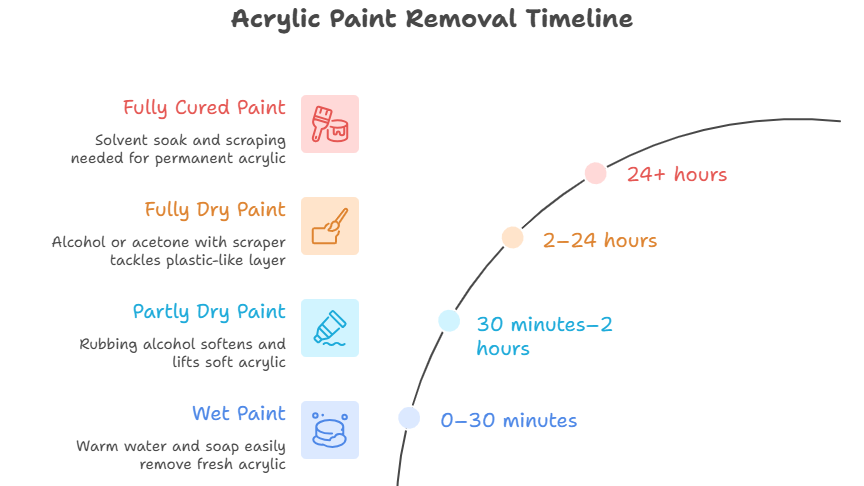
Acrylic paint dries quickly, and how easy it is to remove depends on how long it has been on the surface. Acting early makes cleanup much simpler, while waiting too long can make removal very difficult or even impossible. The table below shows the best methods at each stage and what to expect.
| Time Since Paint Applied | Paint Condition | Best Removal Method | Difficulty | Risk of Surface Damage |
|---|---|---|---|---|
| 0–30 minutes | Wet / fresh | Warm water + mild soap, soft cloth or sponge | Very easy | Very low |
| 30 minutes–2 hours | Partly dry / soft | Rubbing alcohol, soft cloth or brush | Medium | Low |
| 2–24 hours | Fully dry / plastic-like layer | Rubbing alcohol or acetone + plastic scraper | Hard | Medium |
| 24+ hours | Fully cured / permanent | Solvent soak + scraping; multiple attempts may be needed | Very hard | High |
How to Remove Acrylic Paint from Different Surfaces
Different materials need different approaches. Here’s what actually works for each surface type.
Skin (Sensitive + Regular)
For regular skin:
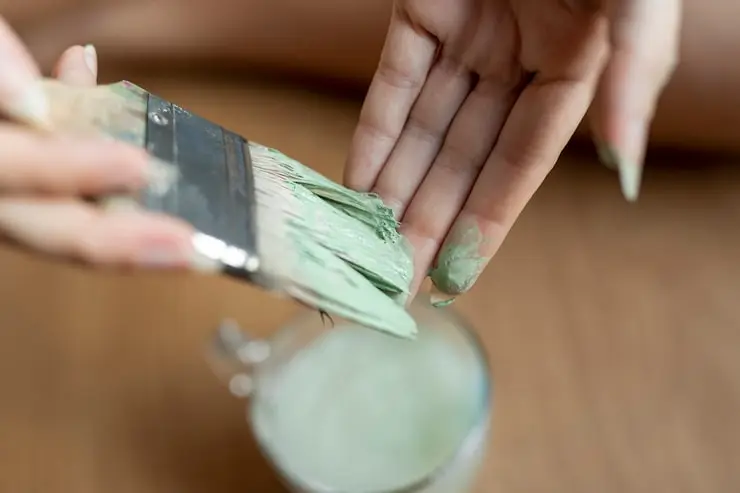
Most people don’t realize that warm water and soap remove wet acrylic paint from skin in seconds. The real problems start when the paint dries.
For dried paint on hands:
- Wash with warm, soapy water using a washcloth
- If paint remains, apply baby oil or cooking oil
- Let the oil sit for 2-3 minutes
- Rub gently with a washcloth
- Wash again with soap
The oil doesn’t dissolve the paint, but it softens it enough to break the bond with your skin. Your natural skin oils and dead skin cells also help—dried paint usually flakes off within 24-48 hours as your skin naturally sheds.
For sensitive skin:
Skip the rubbing alcohol and harsh soaps. Instead:
- Use gentle, fragrance-free soap and lukewarm water
- Try olive oil or coconut oil for dried paint
- Apply moisturizer after cleaning to prevent irritation
According to dermatology research, most acrylic paints are non-toxic for skin contact, but some people react to the ammonia or preservatives in certain brands. If you notice redness or itching, wash thoroughly and discontinue use.
Never use acetone, paint thinner, or industrial solvents on skin. These can cause chemical burns or absorb through your skin into your bloodstream.
Fabric & Clothing
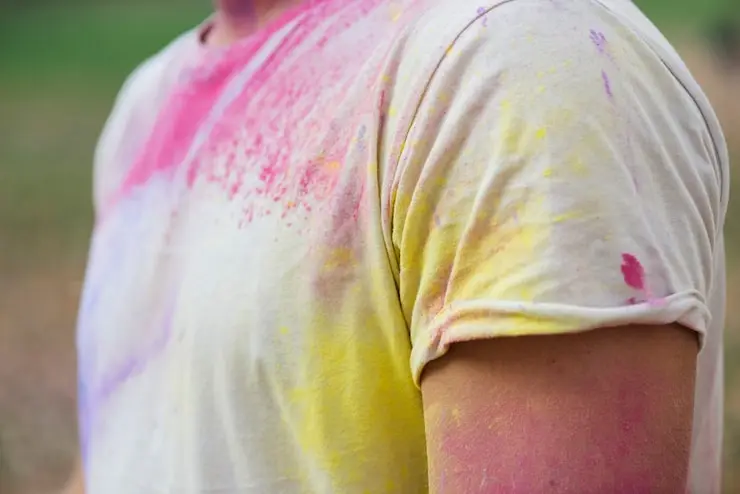
This is where people make the biggest mistakes. The wrong approach sets the stain permanently.
For wet acrylic paint on fabric:
- Scrape off excess paint with a spoon or dull knife
- Run cold water through the back of the stain (this pushes paint out rather than deeper in)
- Apply liquid laundry detergent directly to the stain
- Work it in gently with your fingers
- Rinse with cold water
- Repeat until the stain is gone
- Wash the garment normally
Why cold water? Hot water can help set the acrylic polymer, making removal harder. The Textile Research Journal found that cold water keeps acrylic paint more soluble during initial cleaning.
For dried acrylic paint on clothing:
This gets trickier, but it’s not hopeless.
- Scrape off any raised paint with a butter knife
- Turn the garment inside out
- Place the stained area over a bowl
- Pour rubbing alcohol through the stain from the back
- Blot with paper towels from the front (you should see paint transferring)
- Repeat steps 4-5 until no more paint transfers
- Apply a commercial stain remover like OxiClean or Zout
- Wash in cold water
For stubborn stains, some people have success with hand sanitizer. The alcohol content is lower than rubbing alcohol, but the gel formula keeps it in place longer, giving it more time to work.
Fabrics to treat with extra care:
Silk, wool, and rayon can be damaged by alcohol or acetone. For these fabrics, try:
- Glycerin (available at pharmacies)
- White vinegar diluted 1:1 with water
- Professional dry cleaning
Wood (Finished vs. Unfinished)
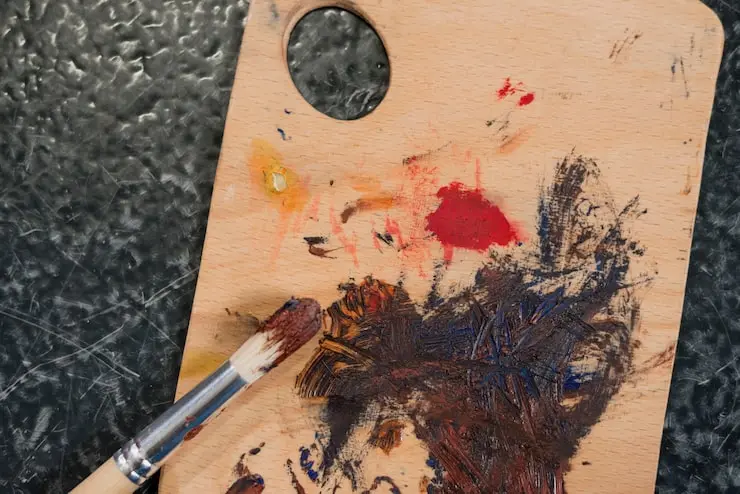
Wood surfaces need different approaches depending on whether they’re sealed or raw.
For finished wood (varnished, sealed, or painted):
The protective finish on finished wood prevents paint from soaking in, making removal easier.
Wet paint: Wipe immediately with a damp cloth. Done.
Dried paint:
- Gently scrape with a plastic scraper held at a 30-degree angle
- If paint remains, apply a small amount of rubbing alcohol to a cloth
- Rub the paint spot in circular motions
- Wipe clean with a damp cloth
- Dry thoroughly
Don’t use steel wool or rough scrubbers on finished wood. You’ll scratch the finish and create a worse problem than the paint stain.
For unfinished wood:
This is tougher because the wood grain absorbs paint quickly.
For fresh stains:
- Blot immediately with paper towels
- Wash with soap and water
- The wood will look darker (it’s wet), but most paint should lift
For dried paint on unfinished wood, you have two main options:
Option 1: Sanding
- Use 120-grit sandpaper
- Sand with the grain, not against it
- Work slowly and check progress frequently
- You might need to sand deeper than you’d like
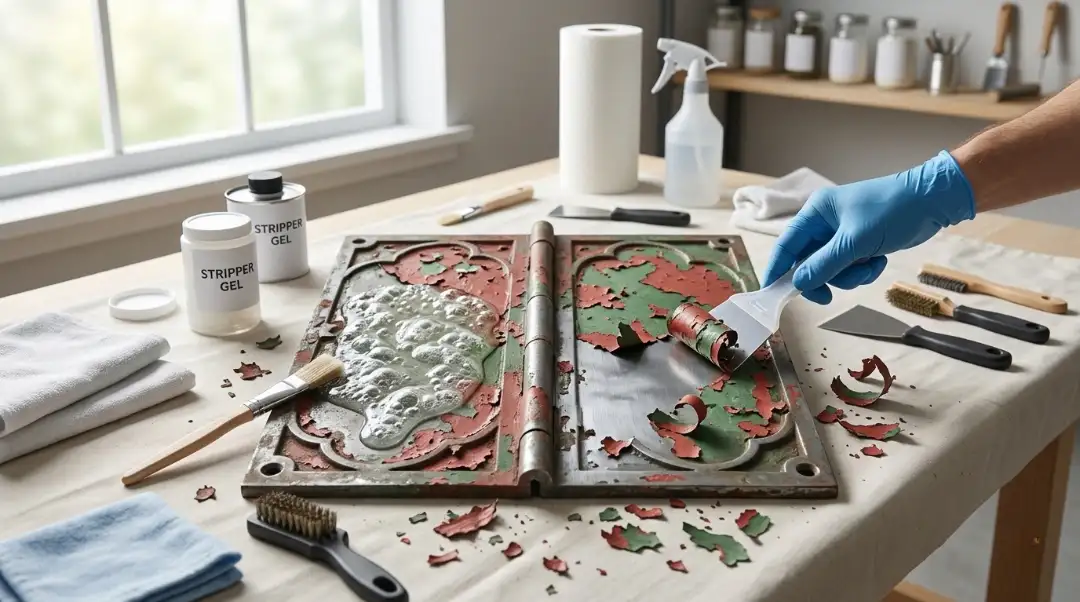
Option 2: Paint stripper
- Apply a citrus-based paint stripper (safer than methylene chloride products)
- Let it sit according to product directions (usually 15-30 minutes)
- Scrape with a plastic scraper
- Neutralize with vinegar and water
- Sand lightly to smooth
The Wood Database notes that paint absorption varies by wood species. Pine absorbs paint quickly due to its open grain, while maple resists absorption better.
Glass & Windows
Good news: glass is one of the easiest surfaces for acrylic paint removal.
For wet paint: Just wipe it off with a damp cloth or paper towel. That’s it.
For dried paint:
- Spray the paint with water or glass cleaner
- Let it sit for 2-3 minutes
- Hold a razor blade at a 45-degree angle against the glass
- Push (don’t scrape back and forth) to shave off the paint
- Wipe clean with glass cleaner
Razor blade safety tips:
- Buy single-edge razor blades designed for scraping (not double-edge shaving razors)
- Always push away from your body
- Keep the blade at a low angle to avoid scratching
- Replace dull blades immediately
For those who don’t want to use razor blades, a plastic scraper works too. It takes more elbow grease, but it’s safer and won’t scratch the glass.
Some people swear by rubbing alcohol on a cotton ball for small paint spots. This works fine for thin paint layers but won’t help much with thick, dried paint.
Plastic & Metal
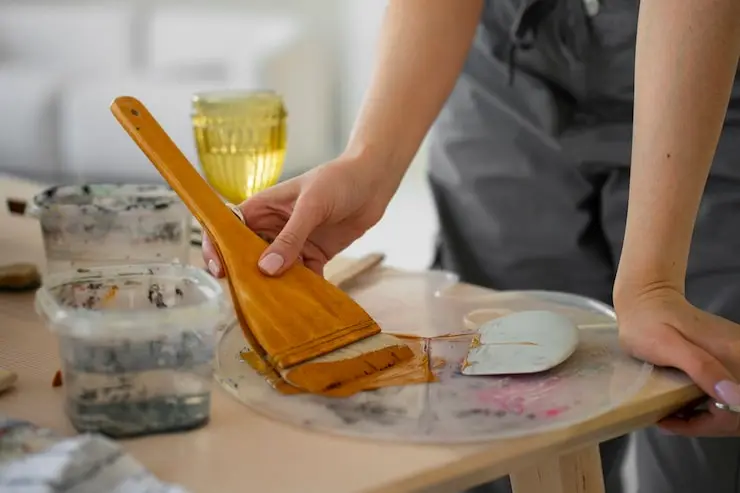
These non-porous surfaces release paint more easily than wood or fabric.
For plastic:
Be careful with solvents on plastic. Acetone can melt or cloud certain plastics.
Safe method:
- Scrape off loose paint with your fingernail or a plastic scraper
- Apply rubbing alcohol to a cloth
- Rub the paint spot until it softens
- Wipe clean
For stubborn paint on plastic, try heating the area with a hairdryer on low heat. This softens the paint just enough to scrape it off without melting the plastic underneath.
For metal:
Metal can handle stronger solvents.
- Wipe with a dry cloth to remove loose paint
- Apply acetone (nail polish remover) to the paint
- Let sit for 1 minute
- Scrub with a stiff brush or steel wool
- Wipe clean with a damp cloth
Metal won’t be damaged by acetone, but it might dull the finish on painted or coated metal. Test in a hidden spot first.
Canvas

Artists face this challenge constantly how to remove a mistake without ruining the canvas underneath.
For wet paint correction:
This is the easiest scenario. Keep a spray bottle of water and paper towels nearby while painting.
- Spray the mistake with water
- Blot (don’t rub) with paper towels
- The paint should lift without disturbing dry layers underneath
For dried paint on canvas:
You have limited options here because aggressive removal damages the canvas fibers.
For small mistakes:
- Apply a tiny amount of rubbing alcohol to a cotton swab
- Gently dab the paint spot
- Blot with a clean section of the swab
- Repeat until the paint softens
- Wipe gently
For completely stripping a canvas:
- Use a commercial paint stripper designed for acrylics (like Soy Gel or Citristrip)
- Apply with a brush
- Wait 30-60 minutes
- Scrape with a plastic scraper
- Rinse thoroughly
- Let dry completely before repainting
Many artists choose to paint over mistakes with gesso rather than removing paint. This creates a fresh white surface without the risk of damaging the canvas.
Walls & Ceilings
Wall paint removal depends on your wall finish.
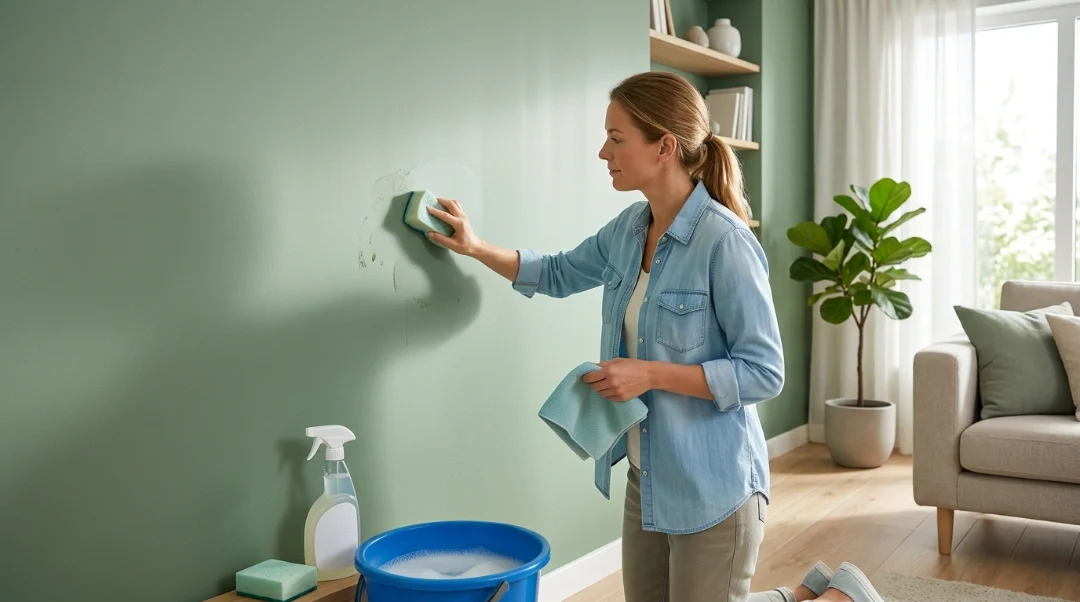
Matte/flat walls: These are the most delicate. Rubbing too hard removes wall paint along with acrylic paint.
- Mix warm water with a drop of dish soap
- Dab (don’t scrub) the paint spot with a soft cloth
- If this doesn’t work, try a Magic Eraser with very light pressure
- Expect some paint to remain you might need touch-up paint
Glossy/semi-gloss walls: These finishes are more durable.
- Try the soap and water method first
- If that fails, use rubbing alcohol on a cloth
- Rub gently until the acrylic paint loosens
- Wipe clean
For large paint spills on walls:
You might need to repaint that section. Harsh scrubbing damages wall texture and finish, often creating a bigger eyesore than the original stain.
The Paint Quality Institute recommends testing any cleaning method on an inconspicuous area first. Some wall paints react badly to alcohol or cleaners.
Best Products for Removing Acrylic Paint
You don’t need a garage full of specialty products. These basics handle 90% of acrylic paint removal situations.
Rubbing alcohol (Isopropyl 70% or 91%)
- Cost: $2-4 per bottle
- Works on: Fabric, wood, plastic, skin
- Why it works: Breaks down polymer chains before they fully cure
- Limitations: Less effective on fully dried paint
Dish soap (Dawn or similar)
- Cost: $3-5 per bottle
- Works on: Everything, but only for wet paint
- Why it works: Surfactants lift pigment particles while water is still present
- Limitations: Useless once paint dries
Acetone (pure or nail polish remover)
- Cost: $4-8 per bottle
- Works on: Metal, glass, sealed wood, dried paint
- Why it works: Dissolves the acrylic polymer itself
- Limitations: Can damage plastic, fabric dyes, and unfinished wood
Magic Eraser (melamine foam)
- Cost: $5-8 for a pack
- Works on: Walls, finished wood, hard surfaces
- Why it works: Acts as a micro-abrasive that sands off thin paint layers
- Limitations: Can dull glossy finishes or damage delicate surfaces
Goo Gone or similar citrus-based removers
- Cost: $6-10 per bottle
- Works on: Most surfaces with dried paint
- Why it works: D-limonene (citrus oil) breaks down adhesives and some polymers
- Limitations: Slower acting than acetone; may require multiple applications
Paint stripper (Citristrip, Soy Gel)
- Cost: $15-25 per container
- Works on: Canvas, wood, multiple dried layers
- Why it works: Industrial-strength solvents designed specifically for paint removal
- Limitations: Requires ventilation, longer working time, messy application
What you DON’T need:
Skip the expensive “miracle” stain removers. Most contain the same ingredients as cheaper alternatives usually some combination of alcohol, surfactants, and maybe a citrus solvent.
Prevention Tips
An ounce of prevention beats a pound of cure, especially with acrylic paint.
Wear the right gear:
Old clothes work fine, but they don’t protect as well as an actual apron. A full-coverage apron costs $15-20 and saves countless shirts. Choose one with pockets for brushes and tools.
Some artists wear nitrile gloves while painting. These $10 boxes of 100 gloves eliminate hand-washing time and prevent paint under your fingernails.
Set up your workspace properly:
Cover your work surface with something disposable. Options include:
- Plastic drop cloths ($5-10)
- Old newspapers (free but messy)
- Silicone mats (reusable, about $20)
- Freezer paper (one-sided plastic coating prevents bleed-through)
For floors, canvas drop cloths absorb spills better than plastic, which can be slippery when wet.
Use palette paper:
Tear-off palette paper pads cost $10-15 and eliminate palette cleaning entirely. When you’re done painting, tear off the sheet and toss it. Done.
Some artists line reusable palettes with plastic wrap. This works but tends to wrinkle, which can be annoying.
Keep cleaning supplies within reach:
Don’t make yourself get up to find paper towels or water. Have these items at arm’s length:
- Paper towels or rags
- Container of clean water
- Spray bottle with water
- Soap
The faster you can respond to spills, the less likely they’ll cause permanent stains.
Choose washable acrylic paint for certain projects:
Some brands make genuinely washable acrylics, though they’re not quite the same as regular acrylics.
Crayola Washable Paint uses a different polymer formulation that remains water-soluble even after drying. This works great for kids’ projects but doesn’t have the permanence or quality needed for serious artwork.
These washable versions cost about the same as student-grade regular acrylics but offer easier cleanup for classroom or children’s projects.
Common Mistakes to Avoid
People make the same errors repeatedly when removing acrylic paint. Don’t be one of them.
Using hot water on fabric
Hot water helps set protein-based stains, and while acrylic isn’t protein-based, heat still makes the polymer cure faster. Always use cold water for initial fabric treatment.
Rubbing instead of blotting
When you rub a wet paint stain, you spread it and push it deeper into porous surfaces. Blot first to remove excess, then gently work cleaning solutions in.
Putting stained clothes in the dryer
The dryer’s heat permanently sets acrylic paint stains. Always check that the stain is completely gone before drying. If any color remains, repeat the treatment.
Using the wrong solvent on plastic
Acetone melts or clouds many plastics, including acrylic plastic (ironically). Always test solvents on a hidden area or stick with rubbing alcohol for plastic surfaces.
Scraping finished wood aggressively
You’ll scratch through the finish coat faster than you’ll remove the paint. Use gentle pressure and the right angle (about 30 degrees) with plastic scrapers.
Waiting to see if the stain comes out
With acrylic paint, time is your enemy. The longer you wait, the harder removal becomes. Drop everything and address the stain immediately.
Mixing cleaning chemicals
Never combine bleach with ammonia (creates toxic gas) or mix unknown chemicals. Stick to one cleaning agent at a time, rinse between attempts if switching products.
FAQs
Is acrylic paint washable on skin?
Yes, acrylic paint washes off skin easily with soap and water when wet. For dried paint, use baby oil or olive oil to soften it, then wash with soap. The paint is non-toxic for most people and usually flakes off naturally within 1-2 days as skin cells shed.
Does acrylic paint wash off clothes?
Acrylic paint washes off clothing if you treat it while wet using cold water and detergent. Once dried, you’ll need rubbing alcohol or acetone-based stain removers. Complete removal of dried paint isn’t always possible act fast for best results.
Will acrylic paint wash off in rain?
Once dried, acrylic paint resists rain and water. The polymer creates a water-resistant coating that won’t wash away in weather conditions. However, outdoor acrylics need UV-resistant formulas to prevent fading and deterioration over time.
Can you wash acrylic paint off wood?
Yes, but the method depends on the wood type. Finished wood releases paint more easily than raw wood. For dried paint, use rubbing alcohol on finished wood or fine-grit sandpaper on unfinished wood. Raw wood often absorbs paint, making complete removal difficult.
Can acrylic paint be washed off after drying?
Technically no dried acrylic paint is water-resistant. However, you can remove it using rubbing alcohol, acetone, or mechanical methods like scraping and sanding. The ease of removal depends on the surface type and how long the paint has been dry.
Is acrylic paint washable from brushes?
Acrylic paint washes out of brushes easily with soap and water while wet. Once dry, the paint hardens into a plastic mass that ruins brushes. Some artists soak dried brushes in Murphy Oil Soap or specialized brush cleaners, but prevention (cleaning immediately) works best.
How to remove acrylic paint from glass?
Spray the paint with water, let it sit briefly, then scrape with a razor blade held at a 45-degree angle. Glass releases acrylic paint easily. For small spots, rubbing alcohol on a cloth works well. Glass cleaner finishes the job.
Does acrylic paint wash off plastic?
Wet acrylic paint wipes off plastic easily. Dried paint can be removed with rubbing alcohol or by gently scraping with a plastic scraper. Avoid acetone on plastic surfaces as it can melt or damage certain types of plastic.
Is acrylic paint permanent on fabric?
Yes, once dried, acrylic paint becomes permanent on fabric. The polymer bonds with fabric fibers and resists washing. Some specially formulated “fabric acrylics” remain slightly more flexible, but all acrylic paints become difficult to remove from fabric after drying.
Can you wash acrylic paint down the drain?
Small amounts of wet acrylic paint can be rinsed down the drain with plenty of water. However, large amounts can clog pipes once the polymer dries. Wipe excess paint from brushes and palettes before rinsing. Never pour cups of paint down drains.
What removes dried acrylic paint from fabric?
Rubbing alcohol (70% isopropyl) works best for dried acrylic paint on fabric. Apply it to the stain, let sit for a minute, then blot with paper towels. Repeat until paint lifts. For stubborn stains, try acetone-based nail polish remover (test first on hidden areas).
Is acrylic paint washable on shoes?
Acrylic paint on shoes behaves like fabric wet paint washes off, dry paint doesn’t. For canvas shoes, use rubbing alcohol. For leather, be more careful as alcohol can dry out leather; try a tiny amount of oil-based soap instead.
Does acrylic paint wash off in the washing machine?
Wet acrylic paint may wash out in the machine with cold water and detergent. Dried acrylic paint won’t come out in a regular wash cycle. Pre-treat with rubbing alcohol first. Never put paint-stained items in the dryer; heat sets the stain permanently.
How long does acrylic paint take to become unwashable?
Acrylic paint stops being water-washable in about 20-30 minutes under normal conditions (68-72°F, moderate humidity). Thin layers dry faster (10-15 minutes), thick layers slower (45-60 minutes). Temperature and humidity significantly affect this timeline.
Is washable acrylic paint the same as regular acrylic?
No. Washable acrylic paint (like Crayola’s kids’ version) uses a different polymer formulation that stays water-soluble even when dry. Regular acrylic paint becomes water-resistant after drying. Washable versions are less durable and not suitable for permanent artwork.