Have you ever been painting and suddenly noticed a big splash of acrylic paint on your favorite shirt? Or maybe you were working on a fun art project and now there’s paint all over your hands, carpet, or wooden table? Don’t worry – you’re not alone! Acrylic paint spills happen to everyone, from professional artists to weekend crafters. The good news is that most acrylic paint stains can be removed if you know the right tricks.
In this complete guide, we’ll show you exactly how to get acrylic paint out of almost any surface. Whether the paint is still wet or has been dried for days, we’ve got solutions that actually work. We’ll cover everything from simple household items you already have to more advanced techniques for stubborn stains. By the end of this article, you’ll be a pro at acrylic paint removal and won’t panic the next time a spill happens. Let’s dive in and save your stuff!
Table of Contents
ToggleUnderstanding Acrylic Paint
Before you try to wash off acrylic paint, you have to understand what it actually is. Acrylic is a water-based paint, but that is a bit of a trick. While it’s wet, it’s easy to handle. However, as it dries, it undergoes a chemical change called “cross-linking.”
The acrylic polymer emulsion inside the paint turns into a flexible polymer film. This is essentially a layer of plastic. The copolymers in the paint create a bond that becomes water-resistant very quickly. In fact, the hardening time (30-60 minutes) is remarkably fast. If you don’t act within that window, you are no longer just washing you are trying to dissolve acrylic paint or strip acrylic paint entirely.
Emergency Response Guide
When you spill acrylic paint, the first few minutes are crucial. Acting fast can mean the difference between a quick cleanup and a permanent stain. Here’s your emergency action plan:
Step 1: Don’t Panic, Don’t Rub The moment you notice paint on something, stop what you’re doing. Your first instinct might be to rub it away, but this actually makes things worse. Rubbing pushes the paint deeper into fabric fibers or spreads it across surfaces. Instead, stay calm and move to step two.
Step 2: Blot Immediately Grab a clean cloth, paper towel, or even a napkin. Gently blot the paint stain from the outside edges toward the center. This prevents the stain from spreading. Keep blotting until you’re not picking up any more paint. If it’s on clothing, hold a clean cloth behind the stain while you blot from the front.
Step 3: Rinse With Cold Water For fabrics and washable items, run cold water through the back of the stain. This pushes the paint out the way it came in. Hold the fabric under running water for at least 30 seconds. Don’t use hot water – it can actually create a heat-set stain that becomes permanent.
Step 4: Apply Soap Work some regular dish soap or laundry detergent into the damp area. Gently massage it in with your fingers or a soft brush. Let it sit for 2-3 minutes, then rinse again. Repeat this process until the water runs clear.
Essential Supplies to Keep Handy Smart painters always keep an emergency cleanup kit nearby. Here’s what you should have:
- Paper towels or old rags
- Dish soap
- Rubbing alcohol or isopropyl alcohol
- Old toothbrush for scrubbing
- Plastic scraper or old credit card
- Bucket of clean water
- Baby wipes (great for hands and quick cleanups)
Having these items within reach means you can tackle acrylic paint stain removal before it becomes a bigger problem. At Inter Color Painting LLC, we always tell our clients that preparation prevents permanent stains.
Complete Solvent Guide
Not all paint removers work the same way. Some are gentle and safe for delicate fabrics, while others are strong enough to strip acrylic paint from hard surfaces. Let’s break down your options from mildest to strongest.
Household Solutions
These everyday items work great for fresh paint and are safe for most surfaces:
Soap and Water
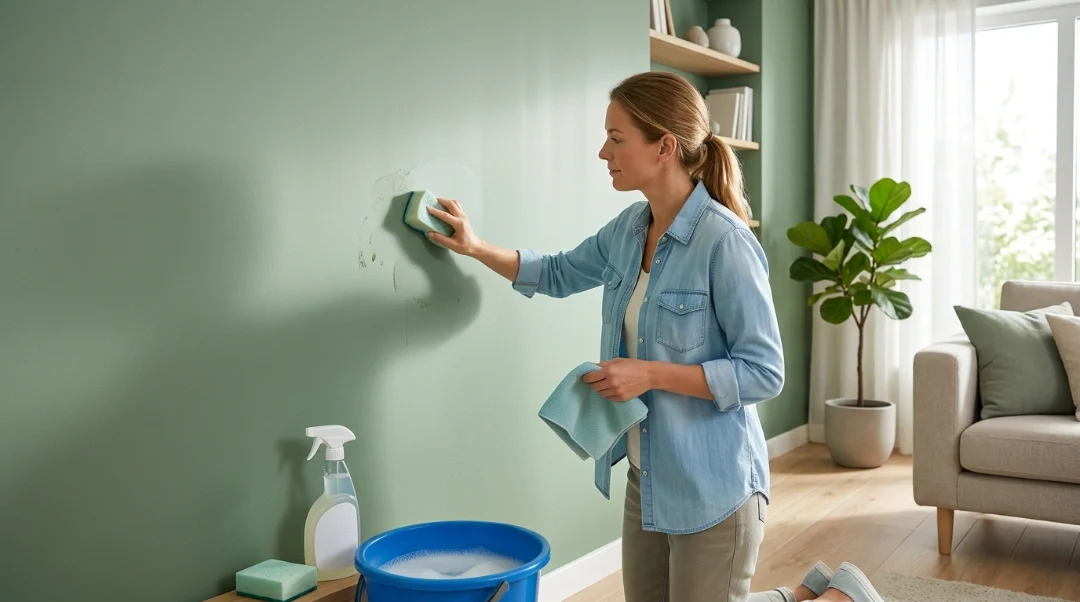
This is your first line of defense. Regular dish soap contains degreasing agents that break down the acrylic polymer. Mix warm water with a few drops of soap, apply it to the paint stain, and scrub gently. This works best within the first hour of a spill.
Rubbing Alcohol
Also called isopropyl alcohol, this is one of the best tools for removing dried acrylic paint. It dissolves the polymer film without being too harsh. Pour some on a cloth and dab at the stain. You’ll see the paint start to break down within a few minutes. This works on fabric, hard surfaces, and even your hands.
White Vinegar
Vinegar’s acidity helps soften acrylic paint. Heat a cup of white vinegar in the microwave for 30 seconds (not boiling), then apply it to the stain with a cloth. Let it soak for 5-10 minutes before scrubbing. This is especially good for natural textile fibers like cotton.
Baby Wipes
These are surprisingly effective for cleaning acrylic paint off your hands and quick surface cleanups. They’re gentle on skin and contain mild cleaning agents. Keep a pack in your painting area for immediate response to small spills.
Moderate Strength Options
When household items aren’t enough, try these:
Ammonia Solution
Mix one part ammonia with one part water. This combination dissolves acrylic gradually and works well on stubborn stains. Apply it to the paint stain, wait 10-15 minutes, then scrub with a brush. Always use ammonia in a well-ventilated area and never mix it with bleach – this creates toxic gas.
Nail Polish Remover (Acetone-Free)
Look for acetone-free formulas when dealing with fabric fibers or synthetic fabrics. These are gentle enough for clothes but strong enough to remove dried acrylic paint. Apply with a cotton ball and blot repeatedly. The acetone-free version won’t damage delicate materials.
Window Cleaner
Many window cleaners contain organic solvents that work on acrylic. Spray it on the paint stain, let it sit for a minute, then wipe away. This works well on glass, tile, and hard floors.
Strong Solvents (Use With Caution)
For really stubborn or old paint stains:
Acetone
This is one of the most powerful solvents for acrylic paint removal. It works fast and effectively, but it can damage some plastics and synthetic materials. Always test it on a hidden spot first. Never use it on acetate fabrics or certain plastics.
Denatured Alcohol
Stronger than regular rubbing alcohol, denatured alcohol is excellent for dried paint on hard surfaces and painting tools. Apply it, let it sit for 15-20 minutes, then scrape away the softened paint with a plastic scraper. This is particularly effective for cleaning brushes.
Lacquer Thinner
This commercial stain remover works when nothing else will. It’s great for wood, metal, and concrete. Use it outdoors or with excellent ventilation because the fumes are strong and can cause headaches or dizziness.
Choosing the Right Solvent
Start with the gentlest option first. You can always move to stronger solvents if needed, but you can’t undo damage from chemicals that are too harsh. For delicate items, stick with soap, water, and rubbing alcohol. For tough jobs on durable surfaces, the stronger solvents are your friends. At Inter Color Painting LLC, we recommend testing any cleaning solution on a hidden area before treating visible stains.
Surface-by-Surface Removal Guide
Different materials need different approaches. Here’s how to clean acrylic paint from the most common surfaces you’ll encounter.
How To Remove Paint From Clothes and Fabric
Fresh Paint Method:
- Scrape off excess paint with a spoon or butter knife
- Flush with cold water from the back of the fabric
- Apply liquid laundry detergent directly to the stain
- Work it in with your fingers or an old toothbrush
- Let it sit for 10 minutes
- Rinse thoroughly and check the stain
- If it’s gone, wash normally in cold water
- If it remains, repeat before drying (heat will set it permanently)
Dried Paint Method:
- Scrape off as much dried paint as possible with a plastic scraper
- Soak the garment in warm water for 30 minutes to soften the polymer
- Apply rubbing alcohol or denatured alcohol to the stain
- Let it penetrate for 5 minutes
- Scrub gently with a brush to break down the paint
- Rinse and repeat until the paint breaks down completely
- Wash in the machine with extra detergent
For delicate fabrics like silk or wool, take the item to a professional dry cleaner. Tell them exactly what type of paint it is so they can use the right solvents.
How To Remove Paint From Carpet and Rug Cleanup
Wet Paint:
- Blot immediately with paper towels
- Never rub or you’ll push it deeper into the carpet
- Mix 1 tablespoon dish soap with 2 cups warm water
- Dab the solution onto the stain with a clean cloth
- Blot with a dry cloth to absorb moisture
- Repeat until the paint is gone
- Rinse the area with plain water and blot dry
How To Remove Paint From Dried Paint
- Vacuum up any loose, flaky paint pieces
- Apply rubbing alcohol to a clean white cloth
- Dab at the dried paint repeatedly
- As it softens, gently scrape with a plastic scraper
- Continue applying alcohol and scraping
- Once removed, clean the area with carpet cleaner
- Rinse with water and dry thoroughly
How To Remove Paint From Wood Furniture and Floors
The challenge with wood is removing paint without damaging the finish underneath.
For Finished Wood:
- Try rubbing alcohol first – it’s less likely to harm the finish
- Apply it to a soft cloth and rub the paint stain gently
- If that doesn’t work, try a small amount of denatured alcohol
- As the paint softens, wipe it away with a clean cloth
- For stubborn spots, use a plastic scraper at a low angle
- Clean the area with wood cleaner afterward
- Apply furniture polish to restore the shine
Never use excessive water on wood – it can cause warping or damage.
How To Remove Paint From Glass and Windows
Glass is one of the easiest surfaces to clean because it’s non-porous.
Quick Method:
- Spray window cleaner on the dried paint
- Let it soak for 2-3 minutes
- Wipe away with a paper towel
- For stubborn spots, use a razor blade at a 45-degree angle
- Keep the glass wet while scraping to prevent scratches
- Clean with glass cleaner when finished
The razor blade method works great for large paint splatters on windows.
How To Remove Paint From Plastic Surfaces
Be careful with plastic – some solvents can melt or discolor it.
Safe Method:
- Start with vegetable oil or cooking oil
- Apply it to the paint and let it sit for 5 minutes
- The oil helps loosen the bond between paint and plastic
- Wipe away with a damp cloth
- If needed, try rubbing alcohol (test first!)
- Clean with dish soap and water
Never use acetone on plastic unless you’re absolutely sure it’s acetone-safe.
How To Remove Paint From Upholstered Furniture
- Scrape off excess dried paint with a spoon
- Mix dish soap with warm water until sudsy
- Dab the foam onto the stain (not too wet)
- Blot with a dry towel
- For dried paint, try rubbing alcohol on a cotton ball
- Test in a hidden spot first to check for color bleeding
- Work from outside of the stain toward the center
How To Remove Paint From Tile, Linoleum, and Hard Floors
- Scrape off thick paint with a plastic scraper
- Apply rubbing alcohol or acetone to the remaining paint
- Let it sit for a few minutes
- Wipe away with paper towels
- For stubborn spots, use a scrub brush
- Clean the floor as normal when done
How To Remove Paint From Your Hands and Skin
Best Method:
- Use baby wipes or wet wipes
- They remove paint without drying out your skin
- Rub gently until clean
Alternative Method:
- Rub vegetable oil or olive oil on painted areas
- Wipe with paper towels
- Wash with soap and water
Prevention:
- Apply barrier cream before painting
- It creates a protective layer on your skin
- Paint washes off much easier afterward
Never use harsh solvents like acetone on your skin – they can cause irritation and dryness.
Advanced Techniques
At Inter Color Painting LLC, we often deal with “impossible” stains. Here are the advanced methods used by professionals to strip acrylic paint from delicate items.
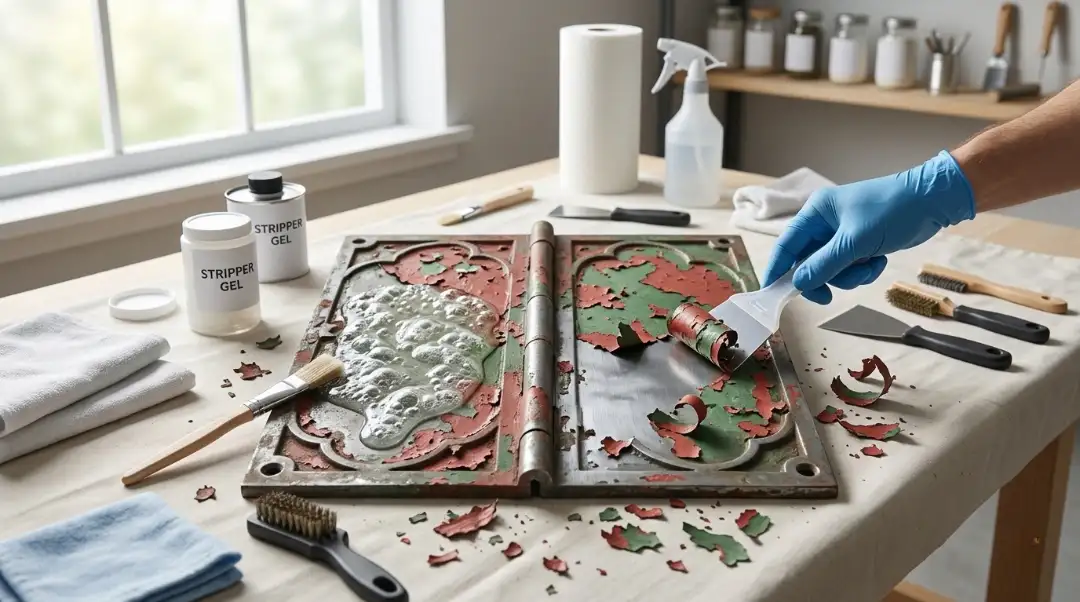
- Mechanical Removal: Sometimes, chemical solvents are too risky. In these cases, we use a paint scraper/plastic scraper with a fine edge to slowly chip away the paint. This is best for historical surfaces where organic solvents might cause permanent damage.
- The Ammonia Trick: For very old, stubborn stains, a mixture of ammonia and soapy water can soften acrylic paint by raising the pH level, which re-emulsifies the acrylic polymer emulsion slightly.
- Ultrasonic Cleaning: For small items like jewelry or specialized tools, ultrasonic baths with a mild degreasing agent can vibrate the paint off the surface without any scrubbing required.
Safety Considerations
Safety is the most important part of any DIY project, whether you are analyzing a using chemicals to clean acrylic paint.
- Chemical Sensitivity: Always wear gloves or apply a barrier cream before handling denatured alcohol or isopropyl alcohol. These substances can cause contact dermatitis if they sit on the skin.
- Fume Management: Many organic solvents release Volatile Organic Compounds (VOCs). Ensure you have windows open or are working outdoors.
- Flammability: Alcohols and many commercial stain removers are highly flammable. Never use a heat gun in combination with these solvents.
- Disposal: Never wash large amounts of water-based paint or solvents down the drain. They can clog pipes as they cure into a polymer film and are harmful to the local water supply.
Final Thoughts
Removing acrylic paint becomes much easier once you understand how it behaves as it dries. Acting fast allows you to wash off acrylic paint with water and mild cleaners, while dried paint usually needs alcohol-based solutions or gentle scraping to soften the polymer film. Using the right method for each surface helps you remove acrylic paint stains without causing damage.
The key is patience and safety. Test products first, avoid harsh chemicals, and take extra care with porous materials like wood or fabric fibers. When paint stains feel too stubborn or the project gets bigger than expected, professional support can save time and effort. This is a natural moment to guide readers to Contact Us for expert help when they need it.
FAQs
Can vinegar remove acrylic paint?
Yes, vinegar can help remove acrylic paint while it is still wet or slightly dried. As a mild acid, vinegar helps soften the acrylic polymer film, making it easier to scrape or wipe away. It works best on non-porous surfaces like glass or metal but is less effective on fully dried or heat-set paint.
What are common mistakes when removing acrylic paint?
Common mistakes include waiting too long to act, using harsh solvents without testing first, scrubbing aggressively, and applying heat too early. These actions can push paint deeper into porous surfaces or permanently set stains, making acrylic paint removal much harder.
What is the easiest way to take off acrylic paint?
The easiest way to remove acrylic paint is to clean it while it is still wet using warm water and mild soap. For dried paint, isopropyl alcohol applied with a soft cloth usually works best, especially on non-porous surfaces.