Fresh paint changes how a room feels faster than new furniture ever could. One weekend, a roller, and suddenly your space looks cleaner, brighter, and newer. The tricky part is knowing how often should I repaint my walls without wasting money or repainting too late. Some rooms seem fine for years, while others look tired after a short time. That difference isn’t random. Paint wears down based on use, surface care, and daily life. Kids, pets, sunlight, and even cooking habits all leave their mark.
This guide breaks things down in plain language. You’ll learn realistic repaint timelines, clear warning signs, and simple ways to stretch paint longevity. No guesswork, no inflated claims, just practical advice backed by trusted industry guidance and real-world logic.
Why Summer and Fall 2025 Are the Best Times for Interior Painting
Timing matters more than most people think. Summer and early fall give indoor paint the best chance to cure properly. Paint manufacturers like Sherwin-Williams and Benjamin Moore explain that moderate temperatures and balanced humidity help paint dry evenly and bond well to walls.
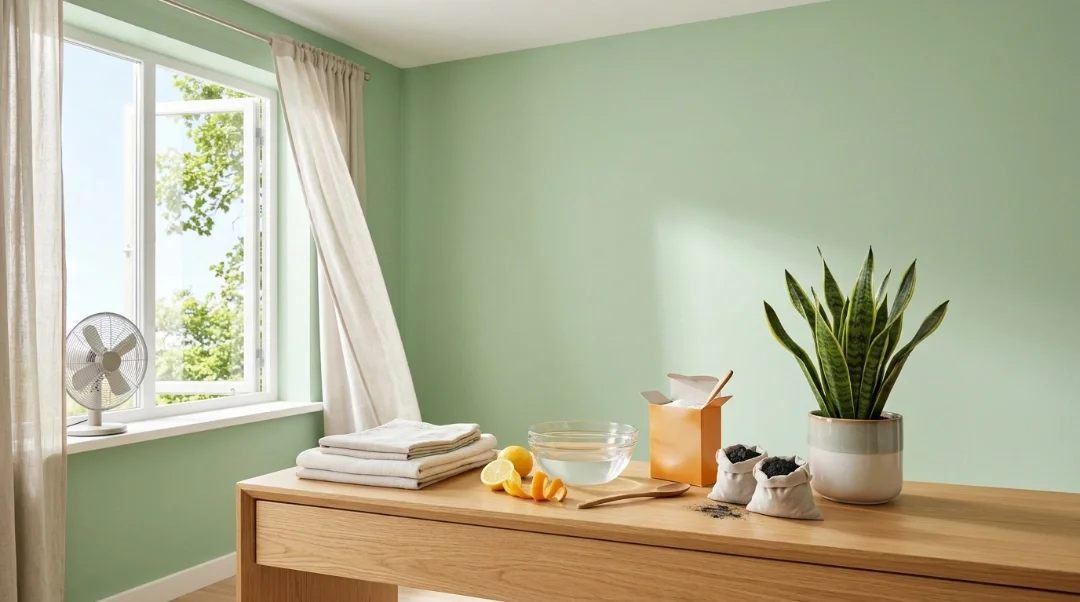
During summer, longer daylight hours speed up drying times. You can open windows for ventilation, which keeps indoor air fresher and helps paint set without strong odors lingering. Fall brings stable temperatures without extreme heat or cold. That stability protects freshly painted walls from cracking or peeling during curing.
Winter painting can work, but heaters dry air unevenly. Spring often brings humidity swings. Summer and fall strike the sweet spot. If you plan repainting in 2025, these seasons reduce drying issues and support long-lasting results.
Factors Affecting How Often You Should Repaint Your Walls

No universal schedule fits every home. Interior wall repaint timing depends on several practical factors that affect daily wear.
Room Usage
Rooms used daily show wear faster. Hallways, kitchens, and family rooms collect fingerprints, scuffs, and stains. Guest rooms age slowly since people rarely use them.
High-Traffic vs Low-Traffic Areas
High-traffic vs low-traffic areas create the biggest difference in repaint cycles. According to the Painting and Decorating Contractors of America (PDCA), walls in high-traffic areas often need repainting every 2 to 4 years. Low-traffic rooms can last 7 to 10 years.
Paint Quality and Finish
Higher-quality paint resists fading and stains longer. Satin and semi-gloss finishes clean easily and hold up better than flat paint. Flat finishes still work well for ceilings and low-use spaces.
Household Lifestyle
Homes with kids or pets see faster wear. Toys bump walls. Dogs brush past corners. Cleaning happens more often, which slowly thins paint layers.
Light Exposure
Sunlight fades paint pigments over time. Rooms with large windows may show uneven color loss, especially on darker shades.
Repaint Wall Frequency by Room
If you want a best repaint schedule checklist, follow these industry standards based on typical wear and tear:
- Kitchens and Bathrooms (3–4 Years): Moisture is the enemy. Steam from showers and grease from the stove cause paint to bubble or peel. Even with moisture-resistant paint, these rooms need frequent updates to stay sanitary.
- Hallways and Living Rooms (2–5 Years): These are the arteries of your home. Scuffs, dents, and “fingerprint bridges” happen here. If you used a washable satin or semi-gloss finish, you might stretch this to 5 years.
- Adult Bedrooms (7–10 Years): Unless you are pillow-fighting nightly, these walls stay clean. Usually, people repaint bedrooms because they get bored of the color, not because the paint failed.
- Kids’ Bedrooms (2–4 Years): Between sticky fingers and changing tastes (from dinosaurs to rock bands), these rooms see the most action.
5 Signs It’s Time to Repaint

Sometimes the calendar doesn’t matter. Your walls will tell you when they’ve had enough. Keep an eye out for these signs it’s time to repaint:
- Fading: If you move a picture frame and the wall behind it is three shades darker, UV rays have bleached your paint. This makes the room look tired and washed out.
- Chalking: Run your hand across the wall. If a white, powdery residue comes off on your skin, the paint binders are breaking down. This is common in older paint jobs.
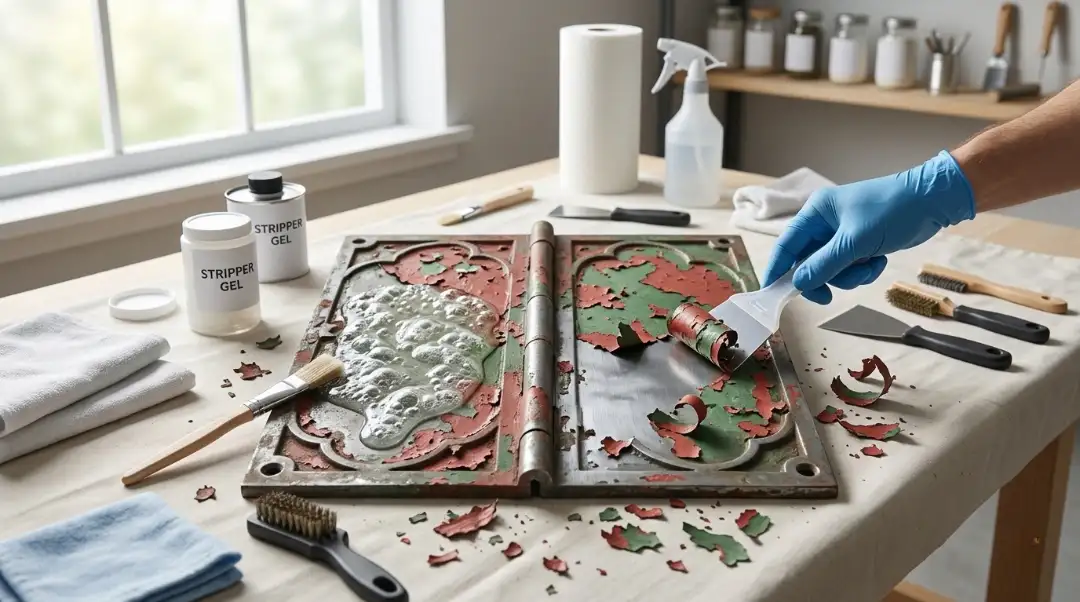
- Cracking or Bubbling: This usually points to moisture issues or poor adhesion from the previous layer. If you see “alligatoring” (cracks that look like reptile skin), the paint is no longer protecting the wall.
- Persistent Stains: Some stains just won’t scrub off. If the “magic” has gone out of your magic eraser, it’s time to cover the evidence with a fresh coat.
- Gaps in the Trim: If you notice light or air coming through the edges of your baseboards or crown molding, the caulk is failing. Often, a fresh paint job includes re-caulking, which helps with insulation.
Paint Longevity: What the Research Says
Paint doesn’t fail overnight. Industry testing from organizations like ASTM International shows quality interior paint maintains performance for several years under normal indoor conditions. Longevity drops when surfaces face moisture, friction, or sunlight.
Flat paints average shorter lifespans. Washable finishes last longer due to stronger resins. Proper surface prep also plays a role. Clean, dry walls help paint bond and age evenly.
Paint longevity depends less on trends and more on physics. Friction wears layers down. UV light breaks pigment bonds. Moisture weakens adhesion. Knowing these basics helps you plan smarter repaint cycles.
Best Repaint Schedule Checklist
Use this checklist to decide if repainting fits your space right now:
- Room shows visible fading or peeling
- Cleaning no longer restores appearance
- Last repaint exceeded room-specific timelines
- Touch-ups fail to blend
- Surface feels rough or chalky
If two or more apply, repainting makes sense. This best repaint schedule checklist keeps decisions practical rather than emotional.
How to Extend the Life of Your Current Paint Job
You don’t always need a full gallon of paint to fix a room. Improving paint longevity is mostly about small habits.
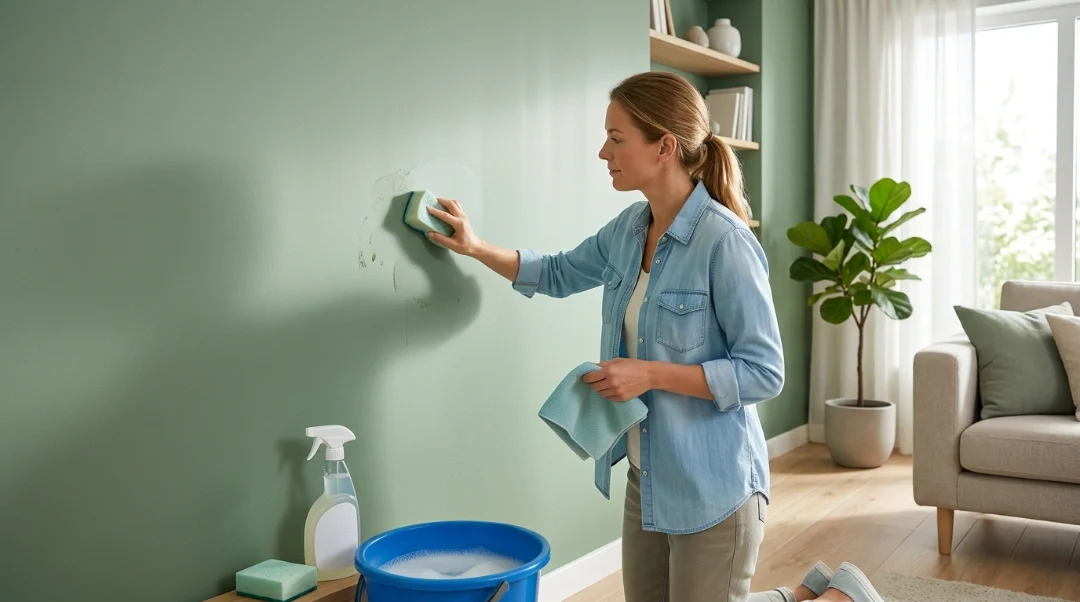
- Dust Your Walls: Sounds crazy, right? But dust is abrasive. When it sits on the surface, it can bond with the paint or cause micro-scratches. Use a microfiber mop to wipe down high-traffic walls twice a year.
- Touch Up Early: Keep a small mason jar of your wall color in the garage. Dab small scuffs as they happen. Just remember to shake the jar well so the pigments mix.
- Use the Right Finish: Use semi-gloss in wet areas and satin in hallways. Flat paint looks sophisticated but is a nightmare to clean. Choosing the right “sheen” can add three years to your repaint cycle.
- Control the Climate: Using a dehumidifier during humid summers prevents the paint from softening and attracting grime.
Why Repainting Still Matters Beyond Looks
Fresh paint does more than improve appearance. Clean walls reflect light better, making rooms feel brighter. According to real estate studies cited by the National Association of Realtors, neutral interior paint improves buyer perception during home listings. Even if you don’t plan to sell, repainting protects drywall and reduces repair costs later.
Think of paint as a protective layer, not decoration alone. When that layer weakens, walls suffer next.
Conclusion
Knowing how often should i repaint my walls can save time, money, and frustration while keeping your home looking fresh and inviting. By understanding factors like interior wall repaint timing, high-traffic vs low-traffic areas, and the signs it’s time to repaint, you can create a best repaint schedule checklist that fits your home’s needs. Rooms such as kitchens and hallways often need attention sooner than low-traffic areas, so planning ahead is key for paint longevity and maintaining your interiors.
At Inter Color Painting LLC, we specialize in helping homeowners with expert guidance and professional execution. If you’re ready to refresh your space, check out our Interior Painting In Seattle services and schedule a consultation today. Call us now to get your free quote and transform your walls with confidence!
Frequently Asked Questions
Does the color of the paint affect how often I need to repaint?
Yes. Darker colors tend to show scratches and “burnishing” (shiny spots from rubbing) more easily than lighter colors. Deep reds and blues also fade faster in direct sunlight. If you use dark tones, expect to do touch-ups or a full refresh every 3-4 years to keep the depth of color.
Can I paint over old paint without sanding?
It is a bad idea. Unless the wall is perfectly clean and matte, the new layer won’t “bite” into the old one. This leads to peeling within a year. A light sanding and a quick wipe-down are the secrets to long-term success.
Is it cheaper to repaint or just wash the walls?
is cheaper, but it only works a few times. Eventually, the chemicals in cleaners start to thin the paint film. If the paint looks thin or “see-through” in spots, washing won’t help you need more pigment.
Should I repaint before selling my house?
Almost always. Real estate experts often cite interior painting as the ROI king. A neutral, fresh coat makes a home look “move-in ready” and helps potential buyers visualize their own furniture in the space without being distracted by your scuff marks.