It’s not enough to just put paint on a wall to have a beautiful paint job. Knowing how long to wait between coats of paint is one of the best ways to get smooth, long-lasting effects. If you hurry to the following coat too fast, the paint work will last less time because it will peel, smear, or have an uneven finish. But how much time is the correct amount of time? This guide covers everything you need to know, from the differences between drying and curing to the things that affect how quickly paint dries, as well as professional recommendations that will help you finish your project faster without losing quality.
Table of Contents
ToggleHow Long to Wait Between Coats of Paint
You should wait 2–4 hours between coats of latex paint, 8–24 hours between coats of oil-based paint, and 30–60 minutes for most spray paints. Drying time depends on temperature (65–85°F), humidity (40–70%), airflow, and surface type.
Understanding Paint Drying vs. Curing
One of the biggest sources of confusion, and a frequent DIY disaster, stems from confusing the different phases of paint setting. When you ask, “dry time between coats of paint,” you might be referring to three distinct stages, only one of which matters for recoating.
1. Dry to the Touch
This is the fastest phase. The surface of the paint is no longer sticky, and dust won’t adhere to it.
- Timeframe: Often 30 minutes to 1 hour for latex; 6 to 8 hours for oil-based.
- What It Means: The paint is safe to handle lightly.
- What It Doesn’t Mean: It is not ready for a second coat. Applying a second layer now will trap the solvents and moisture still evaporating underneath the surface, leading to wrinkling, blistering, or peeling.
2. Recoat Time (The Critical Window)
This is the minimum wait period specified by the manufacturer and the answer to how long to wait before second coat of paint.
- Timeframe: Typically 2 to 4 hours for latex; 24 hours for oil.
- What It Means: Enough water or solvent has evaporated from the original layer that it is structurally sound enough to receive the weight and solvents of the next coat without being compromised. The second layer will adhere chemically to the first, creating a single, durable film.
3. Cure Time (Maximum Hardness)
This is the period when the paint reaches its maximum hardness, durability, and resistance to scratches and cleaning.
- Timeframe: This is a long haul. For most water-based paints, the full how long does it take for paint to cure period is between 14 and 30 days. For oil-based paints, it can be 7 to 30 days.
- What It Means: Treat the newly painted surface gently during this time. Avoid scrubbing or heavy impact. If you hang pictures or use painter’s tape too early during the cure phase, you risk damaging the finish.
Detailed Drying Times by Paint Type
The chemistry of the paint dictates the recoat time. You must know your material.
Latex and Acrylic Paints
Latex (or water-based) paints use water as the primary solvent. Because water evaporates quickly, these paints have the shortest time between coats of paint.
- Standard Recoat Time: 2 to 4 hours.
- The Science: This window allows the water to completely “flash off” or evaporate. Rushing this will cause the wet chemicals in the new coat to reactivate and lift the first layer, leading to a textured, patchy, or peeling look known as “lifting” or “blocking.”
- High-End Paints (e.g., Behr, Sherwin-Williams): Even high-quality, specialized lines like certain Behr paint dry time formulas often stick to this 2-to-4-hour rule, or sometimes even longer (up to 6 hours), particularly with their paint-and-primer-in-one products, which have a thicker composition. Always read the can.
Oil-Based (Alkyd) Paints
Oil paints use mineral spirits or other organic solvents. These solvents evaporate much slower than water, requiring significantly more patience.
- Oil Based Paint Recoat Time: 24 hours.
- The Science: The solvents in oil-based paint must evaporate, and the binders (the oil) must begin to polymerize (harden). If you apply a second coat too soon, the solvents will get trapped, leading to a prolonged tacky texture that never fully hardens.
- Important Note: Because the dry time is so long, professional painters often plan to complete their oil-based coats on consecutive days. Never rely on the “dry to the touch” method for oil-based paint. It can feel dry but still be actively gassing out solvents underneath the surface.
Primer
Primer acts as a sealant and bonding layer, and its recoat time is often the fastest of all.
- Recoat Time: 1 to 4 hours.
- Why It Varies: Some fast-drying latex primers are ready in 60 minutes. Specialized oil-based primers, designed for blocking stains or tannin bleed, may need 4 hours or more to properly lock in the problem areas before the topcoat is applied.
The Finish Factor: Gloss vs. Matte
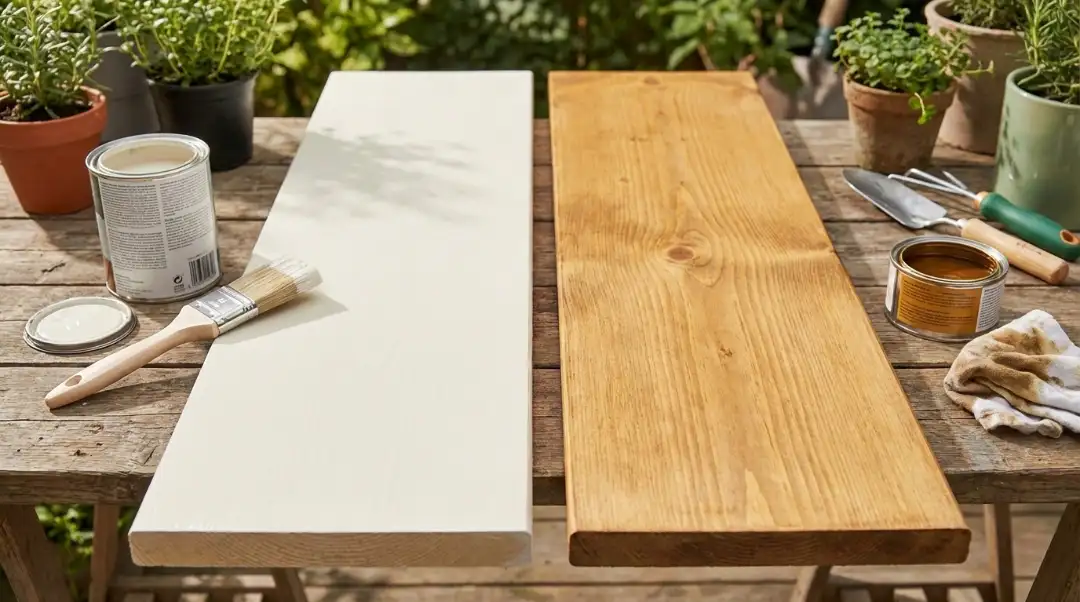
This is a critical distinction that many DIY guides miss. The shinier the paint, the more resin (binder) it contains, and the slower it dries.
- Flat and Matte: Low resin content, tend to dry the fastest (closer to the 2-hour minimum).
- Semi-Gloss and High-Gloss: High resin content. These take longer to harden and are more prone to streaking and visible brush marks if recoated too quickly. Wait 4 to 6 hours for glossy finishes.
Factors That Affect Drying and Recoat Times
The time listed on the can is the ideal time, assuming perfect conditions. In the real world, several factors can drastically extend the time between coats of paint you need to allow.
1. Humidity
High humidity is the number one enemy of quick-drying paint.
- The Problem: Latex paint dries via evaporation. If the air is already saturated with water (humidity above 60%), the water in the paint can’t escape easily, significantly slowing the process.
- The Fix: If humidity is above 70%, you should likely add at least 2 to 4 hours to your standard recoat time. Use a dehumidifier in the room for a few hours before and after painting.
2. Temperature
Paint performs best in moderate temperatures.
- Ideal Range: Most manufacturers recommend a room temperature between 65°F and 80°F.
- Too Cold: Below 50°F, the paint film doesn’t form correctly, slowing polymerization and potentially causing poor adhesion (especially for latex).
- Too Hot: Above 90°F, the paint dries too quickly on the surface, which can lead to flashing (uneven sheen) and prevent the under-layers from fully curing.
3. Ventilation and Airflow
Air movement helps carry away evaporating water and solvents, accelerating the process.
- Good Ventilation: Open windows, run fans (pointing away from the wet wall to avoid blowing dust onto the surface), or use exhaust systems.
- Poor Ventilation: Painting a small bathroom or closet without air movement can trap humid air and solvents, requiring you to wait significantly longer sometimes doubling the required time.
4. Thickness of Application
This is where technique meets time management.
- The Mistake: Applying one heavy, thick coat to try and save time.
- The Result: A thick surface film dries quickly, but the thick under-layer remains wet and gummy for days, potentially leading to wrinkles, sagging, or pinholes.
- The Professional Way: Always apply how many coats to paint a wall (typically two) in multiple thin, even coats. Thin coats dry faster and create a much smoother, more durable finish.
How to Tell If Paint Is Dry Enough for the Next Coat
Don’t just guess whether your paint is dry enough for the next layer. Use these simple yet effective checks:
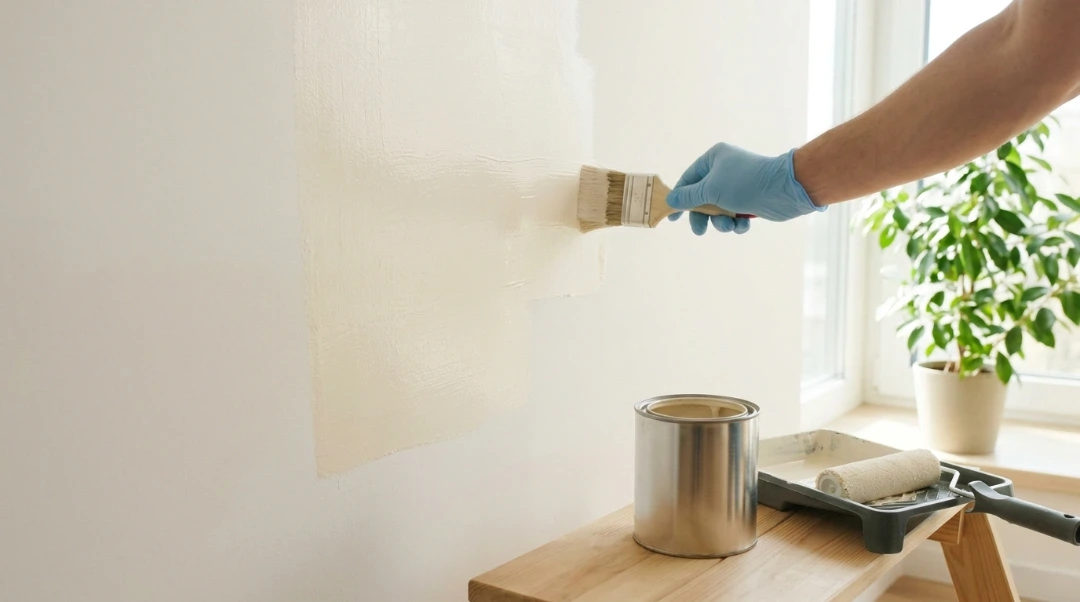
- Touch Test: Lightly touch the painted surface with a clean fingertip. If it feels cool or tacky, it’s still wet.
- Visual Check: Look for a uniform, matte finish without shiny or wet patches, which indicate incomplete drying.
- Smell Test: Fresh paint has a strong odor. When that smell fades significantly, it’s a hint that solvents are evaporating and drying is progressing.
Professional Painter Tips to Speed Up Drying
Waiting is hard. Here are the approved ways that professional crews, like the experts at Seattle Painting Expert, safely accelerate the process without compromising the finish.
- Use Fans and Open Windows: Increased ventilation accelerates evaporation.
- Apply Thin Coats: Multiple thin layers dry faster and more evenly than one thick coat.
- Keep to Optimal Temperature: If possible, paint during seasonal weather when temps and humidity fall in the ideal range.
- Avoid Rush with Heat Guns or Hair Dryers: These create uneven heat that can cause cracking; stick to natural airflow methods.
How Many Coats of Paint Do You Need?
The question of how long to wait between coats of paint is naturally tied to how many coats to paint a wall. The general rule of thumb is two coats of quality paint over a properly primed surface. However, this is not always the case.
Factors Requiring a Third Coat:
- Color Change: If you are changing from a dark color (e.g., deep red or navy blue) to a light color (e.g., white or pale gray), the pigments in the dark color often bleed through, requiring three coats for full coverage.
- Dramatic Sheen Change: Changing from a high-gloss to a matte finish, or vice-versa, can sometimes reveal patchiness that a third coat is needed to hide.
- Poor Quality Paint: Budget paints often have lower pigment and solid content, resulting in thinner coverage that necessitates three or even four coats to achieve true color depth.
- Unprimed Drywall: New drywall is extremely porous. Even with a good primer, the first coat of color will absorb unevenly. A second coat is mandatory, and a third may be needed for a flawless, uniform look.
If you’re painting light over light and using a high-quality paint like a top-tier Behr paint dry time formulation with built-in primer, you can usually get full coverage in two coats.
Conclusion
If you want a smooth, long-lasting, and professional-looking finish, you need to know how long to wait between coats of paint. If you’re using latex, oil-based paint, priming, or a special coating, being patient and timing things right can make a big difference. The exact dry time between coats of paint depends a lot on the temperature, humidity, kind of surface, and paint you choose. Following the tips in this article will help you prevent problems like peeling, uneven coverage, and tacky surfaces.
If you’re not sure what to do or want the job done right the first time, hiring professionals can save you time and stress. We at Seattle Painting Experts are experts at getting perfect finishes and results that last. If you want to change your home with high-quality labor, check out our House Painting Services in Seattle for experienced advice and a stunning finished area.
FAQs
How long should I wait between coats of interior paint?
Most latex paints require 2–4 hours. Oil-based paints need 8–24 hours.
What happens if you paint a second coat too soon?
You may get streaks, bubbling, peeling, or poor adhesion. Always follow the recommended recoat time.
Does darker paint take longer to dry?
Yes. Dark, rich colors often contain more pigment, which slows drying slightly.
Is there a maximum time between coats of paint?
If more than 24 hours pass, light sanding helps with adhesion especially with latex paint.
How many coats to paint a wall for full coverage?
Most walls need 2 coats. High-contrast colors may require 3.
Does Behr paint dry faster or slower than other brands?
Behr paint dry time is typically 1 hour to touch and 2 hours for recoating, placing it on the faster side.
What affects how long to wait before second coat of paint?
Humidity, temperature, the paint brand, thickness, and ventilation.