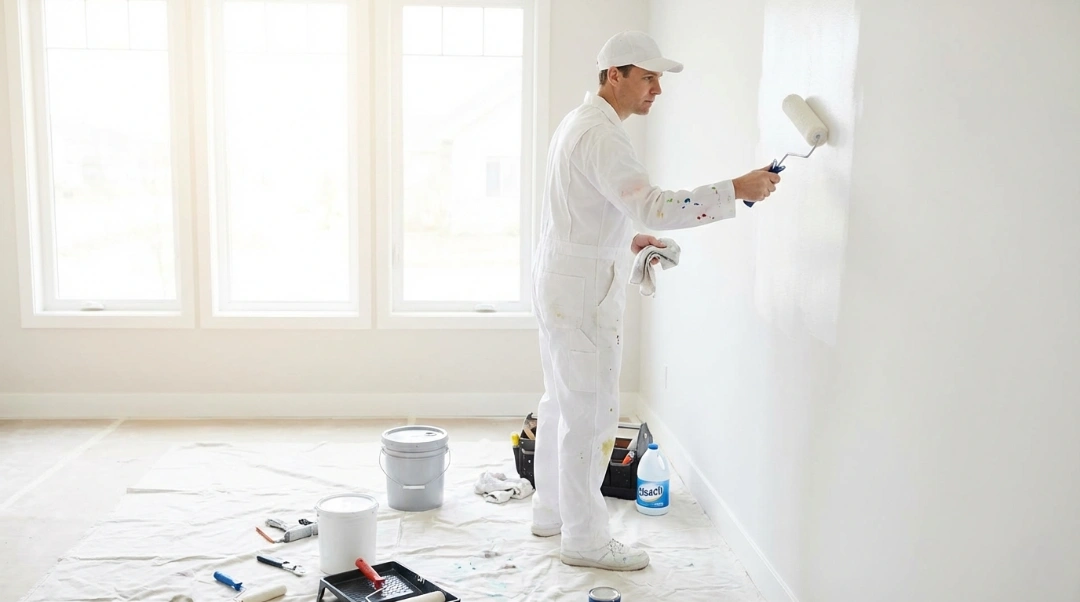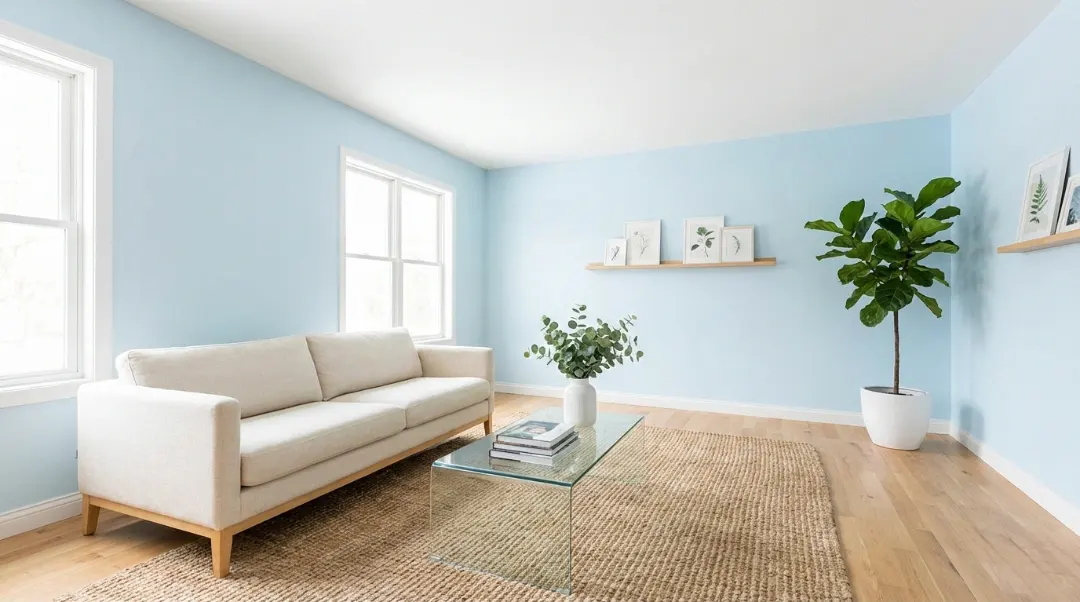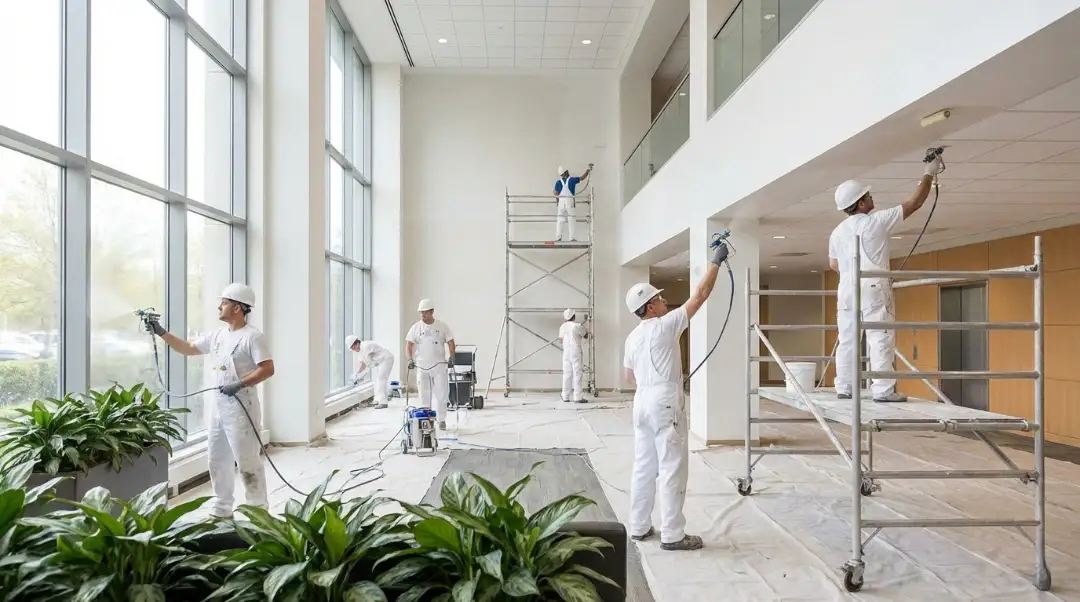
Painting your home is a great way to give it a new look, but winter often brings up the question: Can You Paint Interior Walls in the Winter? Even though the colder months may seem like a bad time for house renovations, painting indoors in the winter is not only possible, but it may also have some surprise benefits if you know the appropriate ways to do it and take the right safety measures.
This tutorial will cover everything from how to deal with the cold to how to paint in the winter for homeowners. This will make sure your project goes smoothly, is safe, and leaves you with beautiful, long-lasting walls.
Table of Contents
ToggleThe Importance of Indoor Temperature
One of the most important things to remember when painting the walls indoors in the winter is to keep the proper temperature inside. Paint dries by both chemical curing and evaporation. If your house is too chilly, the paint may not dry uniformly or may take a long time to set, which can cause streaks, peeling, or cracking.
Most paints for the inside of a house work best when the temperature is between 55°F and 80°F. If your home gets colder in the winter, you might want to use heaters or keep the temperature steady with your HVAC system. This not only speeds up the drying period of the paint, but it also makes sure that it sticks properly and has a smooth surface.
Humidity is also very important. The best humidity levels for painting the inside of a house in the winter are between 40 and 50%. Too much moisture in the air can make things take longer to dry and produce bubbling. On the other hand, very dry conditions might make the paint dry too quickly, leaving brush marks or uneven textures. A simple humidifier or dehumidifier can make a big difference in your results.
Additional Indoor Painting Tips
There are a few little changes you can make to your winter painting experience that will make a big difference, in addition to temperature and humidity:
- Choose Low VOC Paint for Winter – Low VOC (volatile organic compounds) paints are especially effective during winter months because they produce less odor and dry more evenly indoors. They’re safer for your health, too, when ventilation is limited.
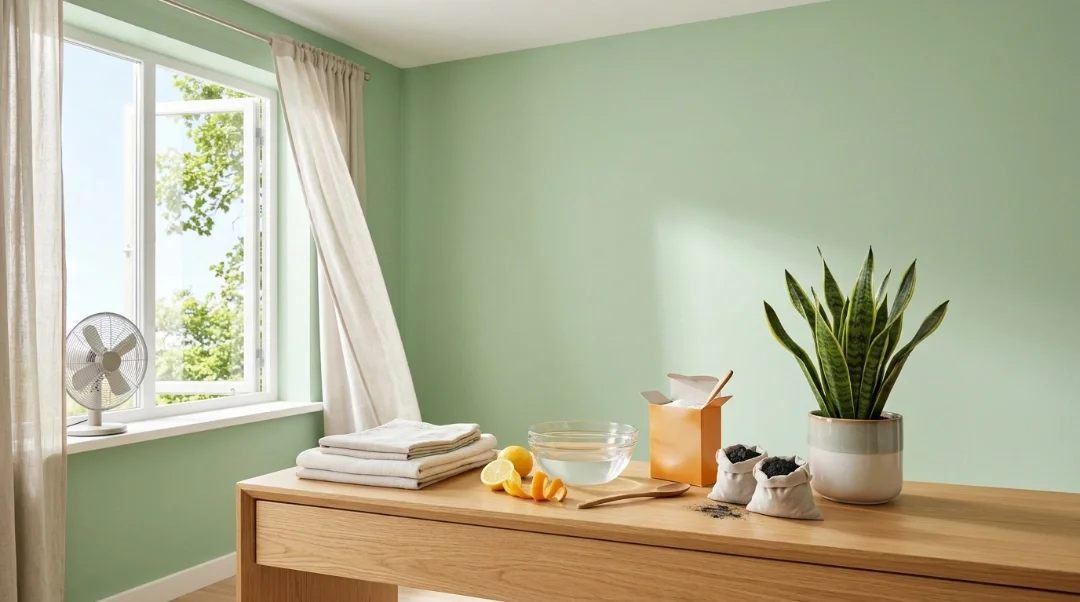
- Optimize Ventilation – Even in winter, it’s important to maintain airflow. Open windows slightly or use a fan to circulate air without letting the room get too cold. This helps paint cure properly while keeping your living space comfortable.
- Work in Sections – Winter light tends to be dimmer, so painting smaller areas at a time helps maintain consistent coverage and prevents rushed work, which could result in streaks or missed spots.
- Plan Your Coats – Thin, multiple coats are better than a single heavy coat. Heavy layers can trap moisture or take much longer to dry, especially in colder months.
- Monitor Drying Time – Always follow the manufacturer’s guidelines for drying and re-coating, but remember that winter conditions might extend the standard timeframe.
Can You Paint Indoors During Winter?
The answer is a confident yes! You absolutely can paint indoors during winter. Many homeowners mistakenly think they must wait for warmer months, but with the right preparation and tools, winter painting can be just as successful as painting in summer.
When planning painting interior walls in winter, consider these key factors:
- Temperature Stability: Keep your rooms warm and consistent. Portable heaters or a functioning HVAC system can help maintain optimal painting conditions.
- Humidity Control: Use a humidifier or dehumidifier as needed to keep moisture levels in check.
- Right Paint Choice: Use paint specifically formulated for indoor use and colder temperatures. Choosing the best paint for winter painting ensures better adhesion, quicker drying, and vibrant colors.
There are also some good things about winter painting. You may plan indoor painting with less competition for contractors and materials when you have fewer outdoor jobs that need your attention. Also, controlled interior conditions can really help paint last longer and dry more evenly.
Preparing to Paint During Winter
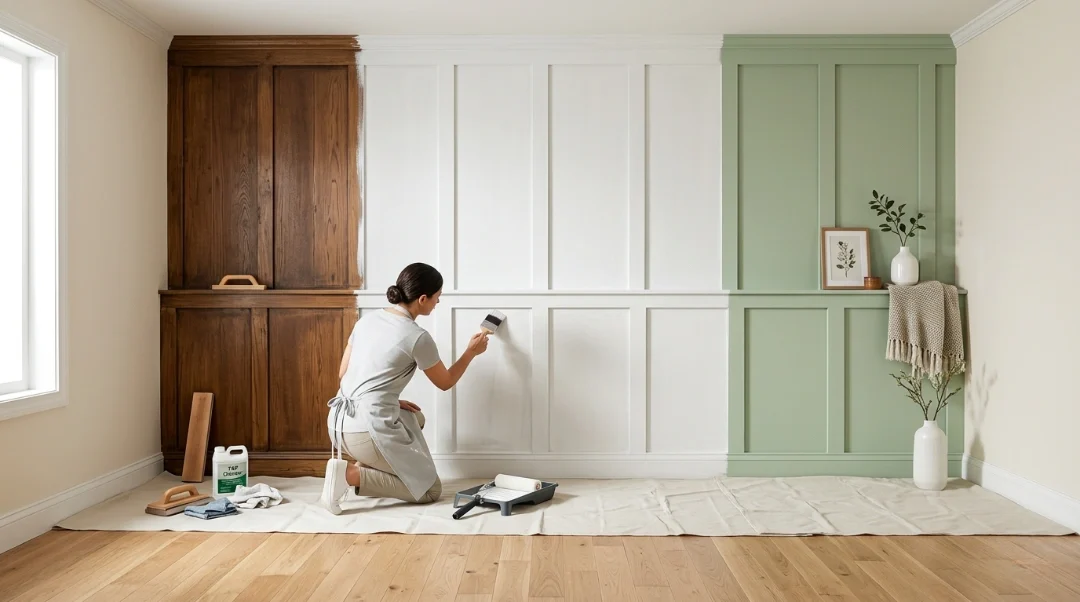
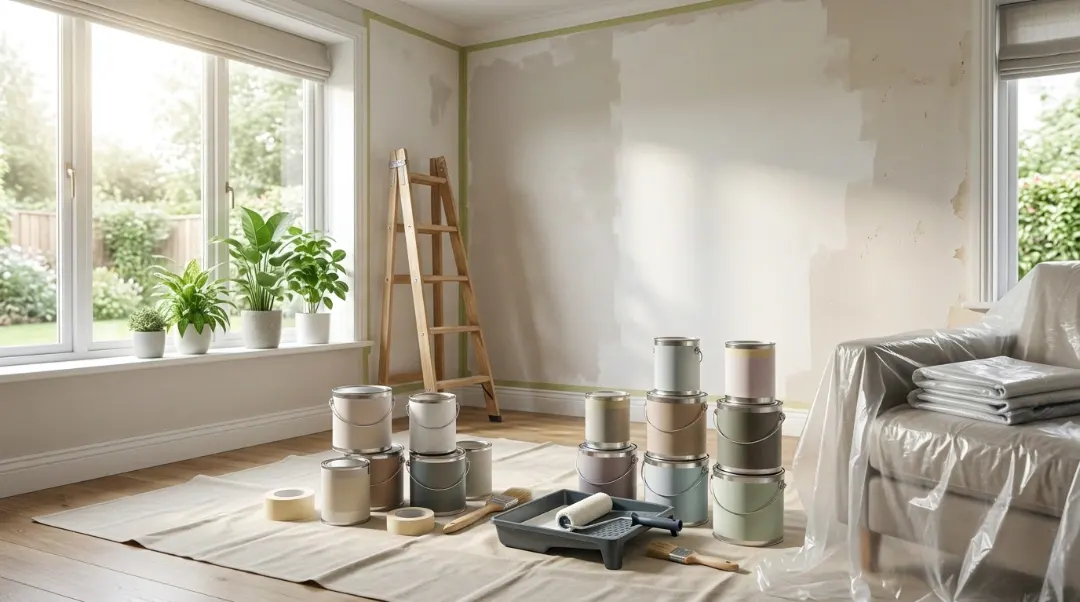
Preparation is key to a successful winter painting project. Before picking up your roller, make sure you follow these steps:
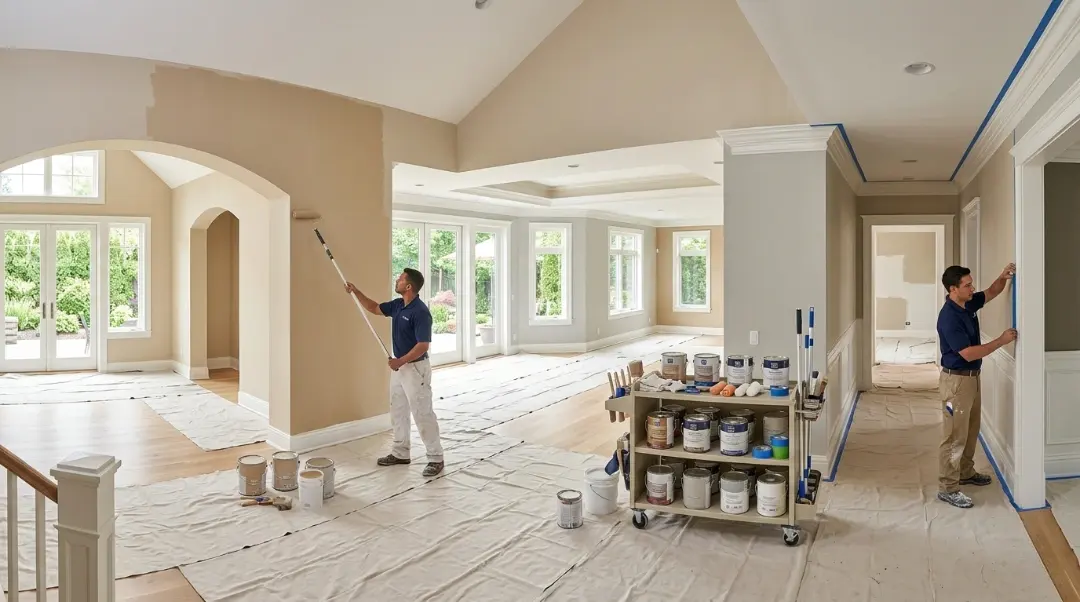
- Clear the Room: Remove furniture or cover it with drop cloths. Protect flooring, trim, and fixtures.
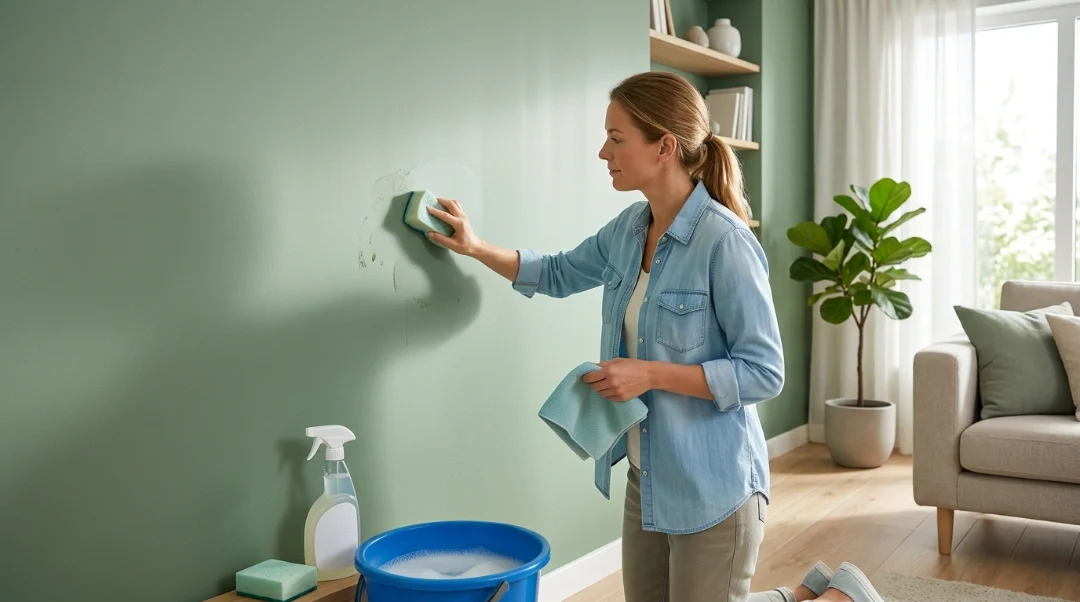
- Inspect and Repair Walls: Fill cracks, sand rough areas, and clean surfaces. Winter dust and dirt can affect paint adhesion.
- Set Up Proper Lighting: Winter light may be dim, so ensure you have enough artificial lighting to catch every detail.
- Maintain Temperature: Preheat the room to the recommended range and keep a thermometer handy to monitor changes throughout the day.
- Gather Materials: Brushes, rollers, painter’s tape, drop cloths, and low VOC paint should all be ready before you start.
Carefully preparing your painting will make the process go smoothly and keep you from having common problems that happen when you paint in the cold.
Problems That Occur When You Paint in Cold Weather
While painting indoors in winter is entirely feasible, there are a few pitfalls homeowners should be aware of:
- Extended Drying Times: Cold air slows evaporation and curing, which means your paint may take longer to dry between coats.
- Poor Adhesion: Paint applied to a surface that’s too cold may not bond properly, leading to peeling or flaking later.
- Cracking or Blistering: Rapid temperature changes or overly thick coats can cause the paint to crack or form bubbles.
- Color Shifts: Some paints can appear darker or lighter in cooler conditions, affecting your final color choices.
- Ventilation Challenges: Winter windows often stay closed, which can trap fumes or prevent proper airflow, especially if using paints other than low VOC formulations.
Understanding these challenges before starting your project allows you to take preventive measures and ensure professional-looking results.
Maximizing the Benefits of Winter Interior Painting
Despite the potential challenges, painting indoors during winter has unique benefits that can make the extra effort worthwhile:
- Better Scheduling Opportunities: With fewer people tackling home improvement projects in winter, you’re more likely to secure professional help or supplies quickly.
- Stable Indoor Climate: Controlled heating and humidity indoors provide a consistent environment, which often leads to smoother finishes and better adhesion.
- Fewer Distractions: Colder weather keeps family members indoors, giving you more control over your workspace.
- Efficient Use of Time: Winter is a perfect time for indoor projects when outdoor conditions aren’t suitable for landscaping or exterior painting.
For homeowners who plan carefully, winter painting can result in beautifully finished walls with minimal stress.
Conclusion
So, Can You Paint Interior Walls in the Winter? Of course! If you know how to control the humidity and the temperature inside, and if you follow these recommendations for painting inside in the winter, your walls will look just as good as they did when you painted them in the summer. Use good paint with low VOCs in the winter, work in rooms that are ready, and follow step-by-step instructions to avoid typical mistakes.
If you’re in Seattle and want expert assistance, Seattle Painting Expert offers top-notch Interior Painting Services in Seattle that handle every detail for you. From temperature controlled preparation to precise application, our team ensures your winter painting project is flawless without the stress or guesswork.
FAQs
Can I paint my walls in winter without a heater?
While it’s possible, a stable indoor temperature is highly recommended to prevent extended drying times, cracking, or uneven finishes. Portable heaters or an HVAC system help maintain ideal conditions.
What’s the best way to paint inside when it’s cold?
Keep the room warm, use thin coats, ventilate properly, and choose low VOC paint for winter. Following these steps ensures smooth, long-lasting results.
How does humidity affect interior paint in winter?
High humidity slows paint drying, while very dry conditions can cause rapid curing and visible brush marks. Aim for 40–50% indoor humidity for optimal results.
Which paints are best for winter interior painting?
High-quality indoor paints like Benjamin Moore Regal Select, Sherwin-Williams SuperPaint, and Behr Marquee perform well in colder months, providing strong adhesion and vibrant color.
Are there any winter painting tips for homeowners?
Yes! Prep your room carefully, maintain proper temperature and humidity, use low VOC paint, work in smaller sections, and monitor drying times closely.