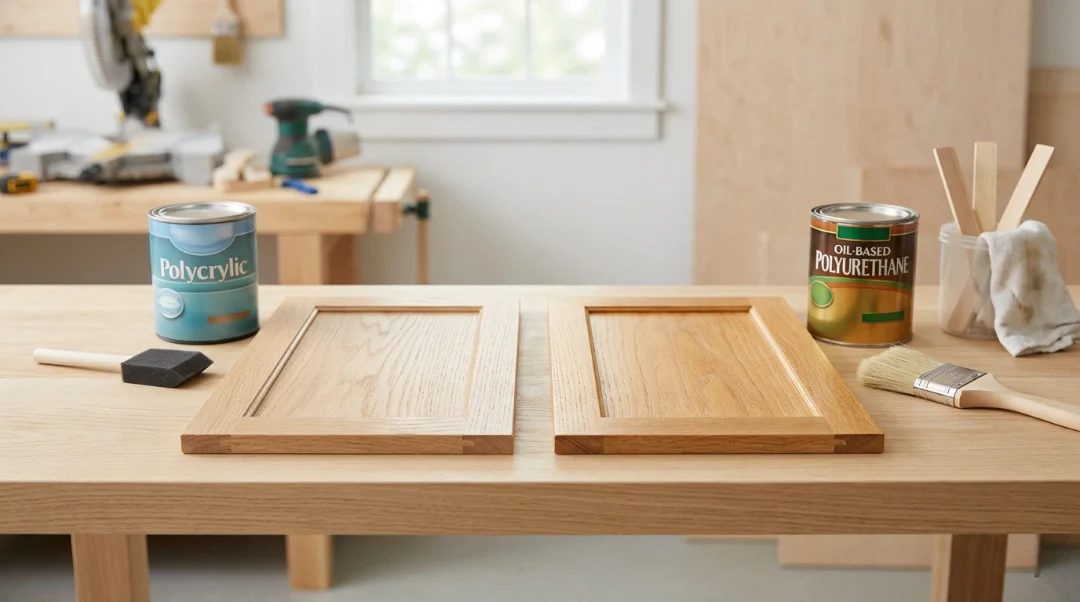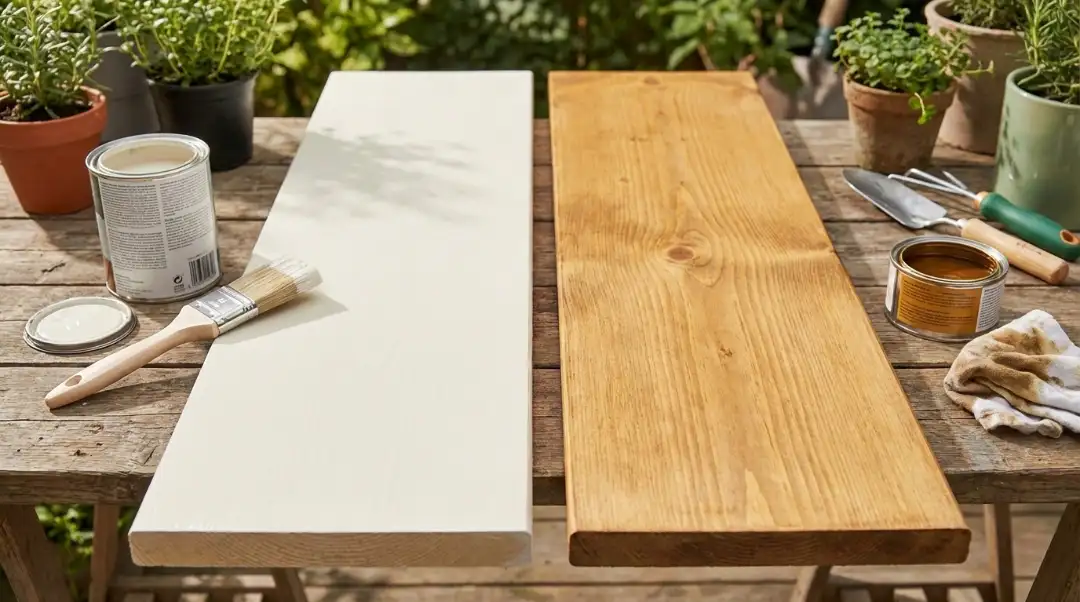
Choosing the right wood finish can feel confusing. When it comes to Polycrylic vs Polyurethane, the wrong choice can ruin the look or shorten the life of your project. Many finishes look similar at first but behave very differently over time.
Polycrylic is appropriate for projects that will be used indoors and lightly. In contrast, polyurethane is stronger and better for projects that will be used a lot or outside. In this article, I’ll explain the distinctions, show you where each one works best, and help you make the proper choice without having to think about it.
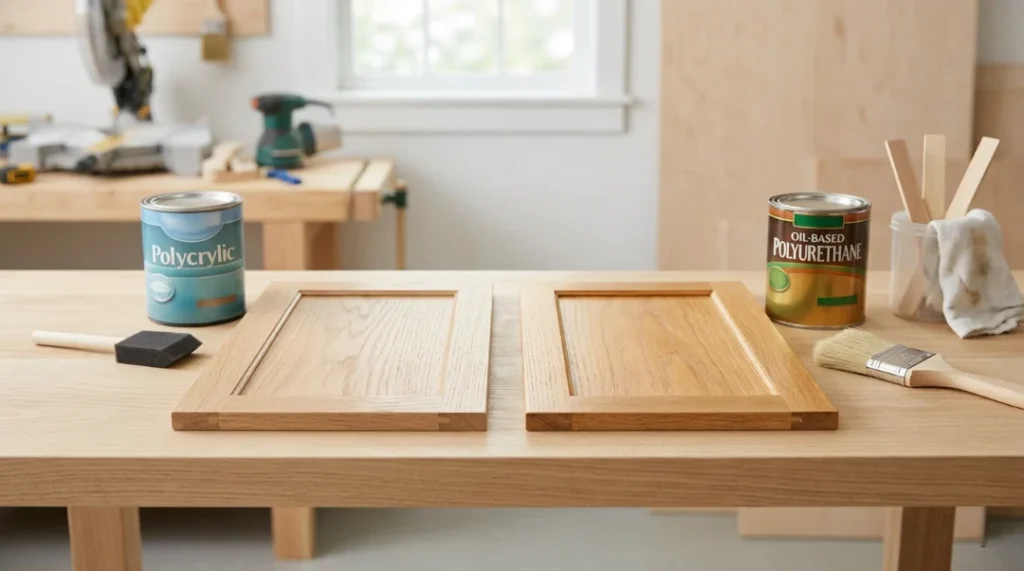
What Is Polycrylic?
Polycrylic is a water-based protective finish made from acrylic and urethane resins. It dries clear, has low VOCs, and works best on indoor wood surfaces like cabinets, trim, and light-colored furniture. Minwax is the most well-known brand. It dries to the touch in about two hours and cleans up with soap and water.
Polycrylic is a water-based substance, so it doesn’t catch fire and doesn’t smell as bad as oil-based finishes. Because of this, it’s a good choice for bedrooms, kitchens, and other places with little airflow.
It’s not the strongest finish out there, but it works nicely for light inside tasks. You can choose from satin, gloss, and high-gloss finishes to get the effect you want.
Polycrylic dries quickly, but it takes longer to fully cure. You shouldn’t put anything on a surface that has just been polycrylic’d for at least 24 hours, or you could damage or dent the finish.
What Is Polyurethane?
Polyurethane is a long-lasting wood treatment that comes in both oil-based and water-based forms. It makes a tough, protective covering that can stand up to scratches, heat, dampness, and a lot of foot traffic. Oil-based polyurethane is the best choice for furniture and flooring that gets a lot of use. Polyurethane that is water-based dries faster and clearer, but it is not as strong as the oil-based kind.
Polyurethane that is based on oil is the stronger choice. It has a strong fragrance, more VOCs, and takes 24 to 48 hours to dry between coats. But it makes a surface that is tougher and less likely to get scratched than practically any other finish.
Water-based polyurethane is in the middle: it’s stronger than polycrylic, easier to use than oil-based, and it dries transparent. It’s a wonderful choice for light-colored wood that you don’t want to look yellow.
Polycrylic vs Polyurethane: The Key Differences
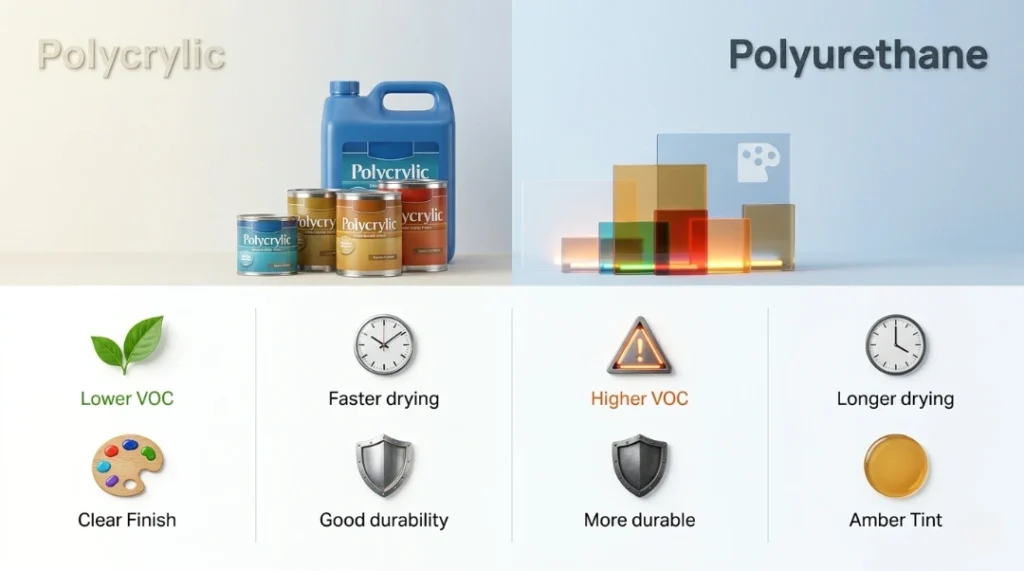
Here’s where things get practical. Let’s look at every major factor side by side.
Composition
Polycrylic is strictly water-based. Polyurethane comes in both oil-based and water-based versions. Oil-based polyurethane uses alkyd resins and mineral oil carriers, which is why it’s tougher but also more toxic and flammable.
Durability
Oil-based polyurethane wins here no contest. It holds up against scratches, dents, moisture, and temperature changes better than either water-based poly or polycrylic. Water-based polyurethane is still more durable than polycrylic, which can dent and scratch under regular use.
| Feature | Polycrylic | Water-Based Poly | Oil-Based Poly |
| Durability | Moderate | Good | Excellent |
| Drying Time | 2 hrs | 2-4 hrs | 24 hrs |
| VOC Level | Low | Low-Medium | High |
| Yellowing | None | None | Slight amber tint |
| Best For | Indoor, light wood | Indoor, light to medium use | Floors, outdoor, heavy use |
| Cleanup | Soap & water | Soap & water | Mineral spirits |
| Cost Per Quart | $20-$30 | $20-$35 | $20-$50 |
Appearance
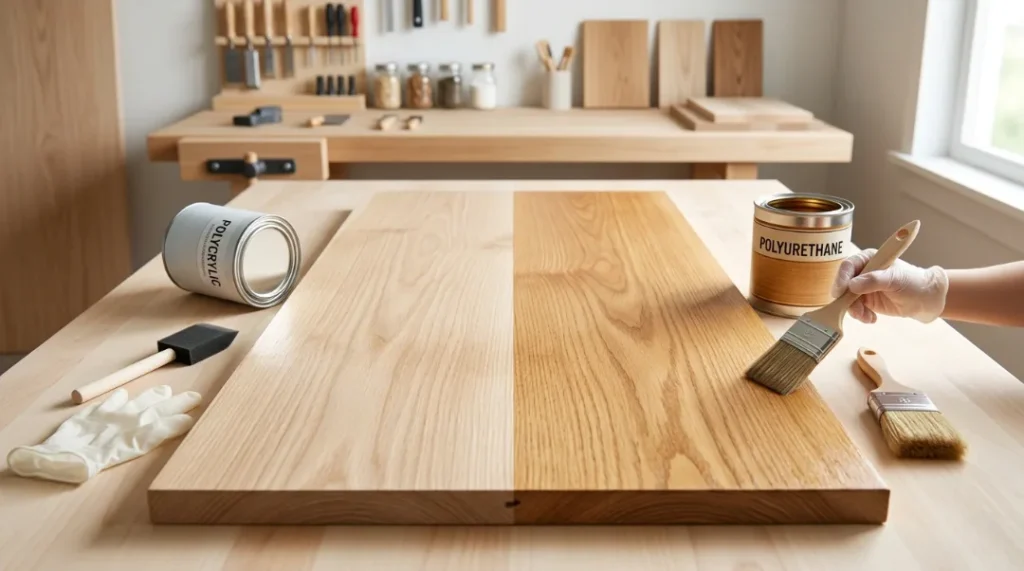
This is a significant deal for light-colored wood. Oil-based polyurethane gives dark woods like walnut or mahogany a warm, reddish color that looks fantastic. But it can destroy a white-painted cabinet or a light maple finish. Polycrylic and water-based polyurethane both dry transparent. But if you put too much polycrylic on, it can get a little milky, especially on dark surfaces.
Drying vs Curing Time
This is something both competitors barely explain and it trips up a lot of beginners. Drying time and curing time are not the same thing.
- Drying time = when it’s dry to the touch (you can recoat)
- Curing time = when it’s fully hardened (you can use the surface normally)
Polycrylic may feel dry in 2 hours but takes up to 30 days to fully cure. Oil-based polyurethane takes 24-48 hours to dry per coat but reaches full hardness faster usually within 7 days. Don’t place heavy objects or expose the surface to water until the finish is fully cured.
Application
Polycrylic’s runny consistency makes it tricky on vertical surfaces. It drips easily. Use a high-quality synthetic bristle brush and work in thin coats. Three coats is the standard recommendation, with light 220-grit sanding between each coat using a tack cloth wipe-down after.
Oil-based polyurethane is thicker, which actually makes it easier to apply on vertical surfaces because it clings better. Water-based polyurethane dries faster, so you need to work quickly to avoid brush marks.
Never use a foam brush or roller with either product you’ll end up with bubbles and an uneven surface.
Safety and VOCs
Polycrylic doesn’t catch fire and has low VOCs. You may use it in a room with a cracked window and be OK. Polyurethane that is oil-based has a lot of VOCs, is combustible when wet, and needs a lot of fresh air. You should open windows, use a fan to move air out of the room, and wear a good respirator mask. Always use nitrile gloves with either product.
When and How to Use Polycrylic vs Polyurethane
Use Polycrylic When:
- Working indoors in a poorly ventilated space
- Finishing light-colored furniture, white-painted cabinets, or maple/birch/ash wood
- You need a fast dry time to finish a project the same day
- Budget is a concern (polycrylic is generally cheaper)
- Easy cleanup is important soap and warm water gets it done
Use Polyurethane When:
- Sealing hardwood floors or stair treads that get heavy foot traffic
- Finishing outdoor furniture, decks, or wooden garden benches exposed to rain and UV radiation
- Working on kitchen countertops, bar tops, or dining tables that need maximum resistance to heat and moisture
- The wood is dark walnut, cherry, mahogany and you want a rich amber tone
- The surface is large and flat, where polyurethane’s slower drying time helps you get a smoother, more even coat
Can You Use Both Together?
Yes. You can put polycrylic over polyurethane, or polyurethane over polycrylic. Just make sure each coat is fully dry before you apply the next one. One thing to note: polycrylic may not dry as well over matte latex paint because of the additives in the paint.
Is Polycrylic the Same as Polyurethane?
Polycrylic is not the same as polyurethane since it is a specific kind of water-based paint that has fewer solids and a different resin mix than regular polyurethane. Both of these products can be used as clear topcoats, but they do different things. Polycrylic is more concerned with safety and clarity. At the same time, polyurethane is more concerned with protecting surfaces and making them last as long as possible.
Polycrylic is a type of water-based polyurethane that is made for a specific purpose. It’s thinner and easier to clean up with simply soap and water. Traditional polyurethane typically needs mineral spirits to clean up and gives off a lot of VOCs (volatile organic compounds), which require a respirator and a garage with good air flow.
What Type of Polyurethane to Use?
The type of polyurethane to use depends on your ventilation, the desired durability, and the color of the underlying wood or paint. For most modern DIYers, a high-quality water-based polyurethane provides the best balance. It offers near-oil levels of protection without the three-day drying time or the toxic smell.
- Oil-Based: Best for professional-grade durability on floors and dark wood.
- Water-Based: Best for general furniture and trim where you want a clear finish.
- Wipe-on Poly: Excellent for beginners who want to avoid brush marks on contoured surfaces.
What is Polycrylic Used For?
Polycrylic is used for sealing interior wood surfaces, painted furniture, and decorative crafts where a non-yellowing, low-odor finish is required. It is particularly popular for “furniture flipping” because it adheres well to chalk paint and acrylic paint. It acts as a protective skin that keeps dust and oils from ruining the paint job.
Because of its thin consistency, it’s also the perfect candidate for a spray application. Using a HVLP (High Volume Low Pressure) sprayer with Polycrylic results in a factory-smooth finish that is nearly impossible to achieve with a brush.
What the Expert View Says
Most professional wood finishers agree on a few things that don’t change regardless of what’s on the label.
Thin coats always beat thick coats. Two thin coats will outperform one thick coat every time. Thick coats trap bubbles, dry unevenly, and peel faster.
Sand between coats. Use 220-grit sandpaper lightly between each coat, then wipe down with a tack cloth. This removes dust nibs and gives the next coat something to bond to.
Temperature and humidity matter. Both polycrylic and polyurethane perform best between 65°F and 77°F with moderate humidity. High humidity causes polycrylic to turn milky. Cold temperatures slow oil-based poly to a crawl.
Recoat windows are real. If you wait too long between coats of oil-based polyurethane, you’ll need to sand more aggressively for the next coat to bond properly. Check the manufacturer’s label for the recoat window usually 24-48 hours.
Get Professional Help With Your Painting and Finishing Projects
If you’re taking on a bigger interior or exterior project and want it done right the first time, Inter Color Painting LLC offers professional Interior Painting Services Seattle and Home Exterior Painting Services Seattle with years of hands-on experience with wood finishes, surface preparation, and protective coatings.
Just like choosing between polycrylic vs polyurethane matters for a wood finish, choosing the right professional painting team matters for your home. Whether it’s cabinet refinishing, trim work, or full interior and exterior painting, our team brings the expertise to protect and beautify your home’s surfaces properly.
Final Thoughts
What you require for your project will determine whether you use polycrylic or polyurethane.
If you want something clear and easy to use, use polycrylic.
Polyurethane is the preferable choice if you want something that will last.
If you choose the wrong one, you’ll have to do the job again. Choose the proper one, and your finish will last for years. For reliable interior and exterior painting that fits your project, contact us, Inter Color Painting LLC. They can provide you with experienced advise or get the job done right.
FAQs About Polycrylic and Polyurethane
What are the bad things about polycrylic?
Polycrylic’s biggest problems are that it doesn’t last as long, is sensitive to heat and moisture, and can turn milky if you put it on too thick over dark wood or in a damp area. It’s not good for floors that get a lot of foot traffic, outside use, or surfaces that get wet a lot. It can also take up to 30 days for it to totally heal.
It also needs to be used more carefully than oil-based preparations. If you’re not careful with how thick you make the coat, it will be runny and drip on vertical surfaces.
Do you have to sand between coats of polycrylic?
Yes, you need to lightly sand between coats of polycrylic to get a smooth, professional finish. Before the next coat, use 220-grit sandpaper to lightly sand the surface and then wipe it down with a tack cloth. If you don’t do this step, the finish will be harsh, uneven, and have obvious streaks or bubbles.
Don’t sand too hard; you want to get rid of any brush or dust markings.
When to use polyurethane vs polycrylic?
Use polyurethane when the surface needs maximum durability floors, outdoor furniture, countertops, and high-use furniture. Use polycrylic for indoor, light-duty projects like cabinets, trim, and light-colored wood where low odor, fast drying, and a clear finish are priorities.
The rule of thumb: if the surface will take a beating, reach for polyurethane. If it’s decorative or light-duty, polycrylic works fine.
When not to use polyurethane?
Avoid oil-based polyurethane on light-colored or white-painted surfaces it will yellow over time. Don’t use it indoors without proper ventilation, as the high VOC level poses a real health risk. It’s also not ideal for quick projects since it takes 24 hours or more to dry between coats.
Water-based polyurethane avoids the yellowing issue but still requires ventilation.
What is the best non-yellowing polyurethane?
Water-based polyurethane is the ideal choice if you don’t want it to become yellow. People always say that Minwax Water Based Oil-Modified Polyurethane, General Finishes High Performance, and Varathane Crystal Clear Water-Based Polyurethane are the best choices for light woods and painted surfaces.
If you need to stay clear for a long time, steer away from any oil-based composition; they all become amber over time.
How long does it take polycrylic to fully cure?
Polycrylic takes 21 to 30 days to fully cure, even though it feels dry to the touch in about 2 hours and can be recoated in 2 hours. During the curing period, avoid placing heavy objects on the surface, exposing it to heat, or getting it wet the finish can still dent, scratch, or cloud up.
Think of drying time as when it’s safe to touch. Curing time is when it’s safe to use.