You’re not the only one who has stood in the paint aisle and wondered what is the difference is between stain and paint. When choosing between stain and paint for a deck, fence, or interior wall, a lot of homeowners get confused. It can be just as hard to choose between enamel and latex. Both keep wood safe. They both change how it looks. But they do things in very different ways.
The good news is that by the end of this guide, you’ll know exactly what stain or paint is, when to use each, and which one lasts longer. We’ll look at how long each lasts, how much it costs, how much maintenance it needs, and we’ll even answer common questions like “Which lasts longer: paint or stain on wood?” Let’s make it simple so you can choose with confidence.
Paint vs Stain: Quick Comparison Table
Before diving into the details, here is a snapshot of how paint and stain compare across the most important factors homeowners care about.
| Feature | Paint | Wood Stain |
| How it works | Sits on top of the wood surface | Penetrates into the wood fiber |
| Covers wood grain | Yes, fully opaque | No (semi-transparent) or partially (solid) |
| Exterior lifespan | 5 to 10 years | 2 to 5 years (type-dependent) |
| Moisture resistance | High (solid barrier) | Moderate (breathable) |
| UV protection | Very high | Moderate to high |
| Peeling risk | Yes, especially on decks | Very low to none |
| Maintenance (recoat) | Labor-intensive (scraping) | Simple (clean and recoat) |
| Best applications | Siding, trim, fences, furniture | Decks, log homes, fences, furniture |
| Average cost per gallon | $30 to $80 | $25 to $60 |
What Is Paint?

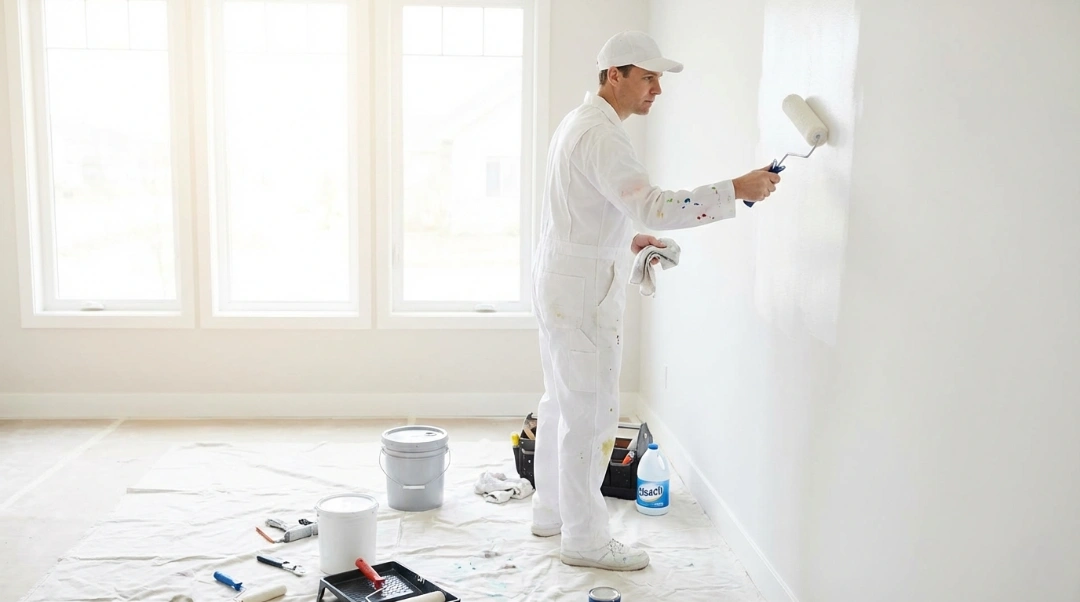
Paint is a coating product made of four key ingredients: pigment, binder, solvent, and additives. The pigment gives it color. The binder holds everything together and forms the protective film. The solvent keeps it in liquid form until applied, then evaporates. Additives improve performance in specific ways, like preventing mildew, speeding up drying, or improving adhesion.
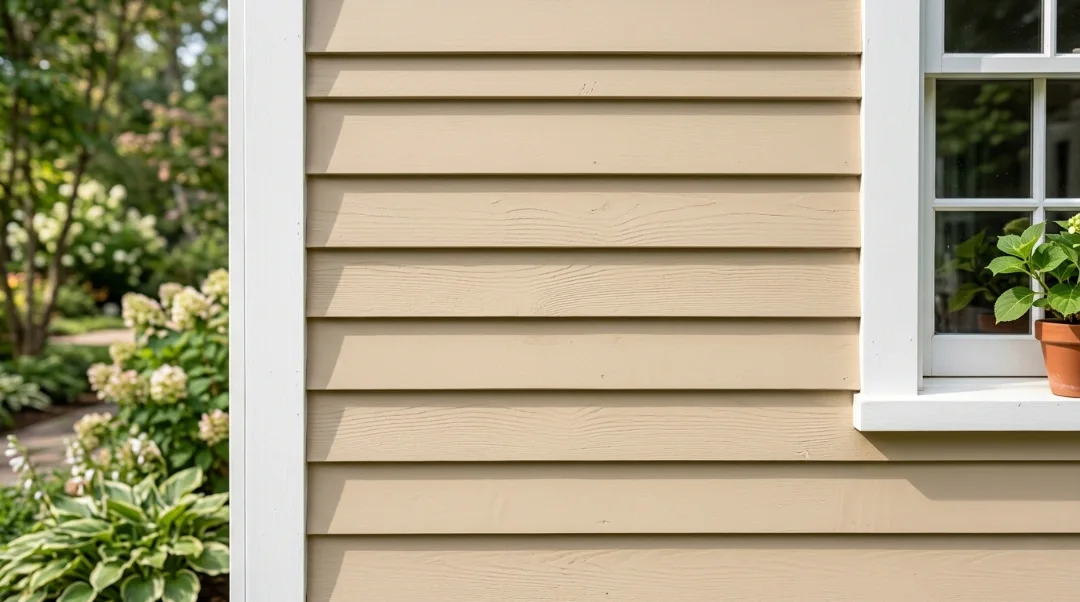
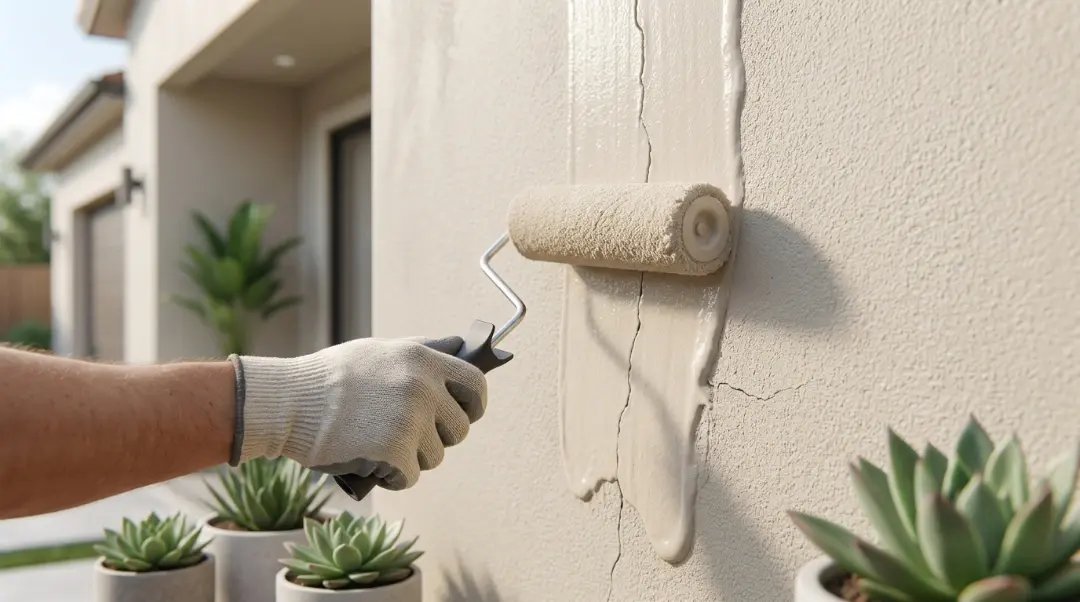
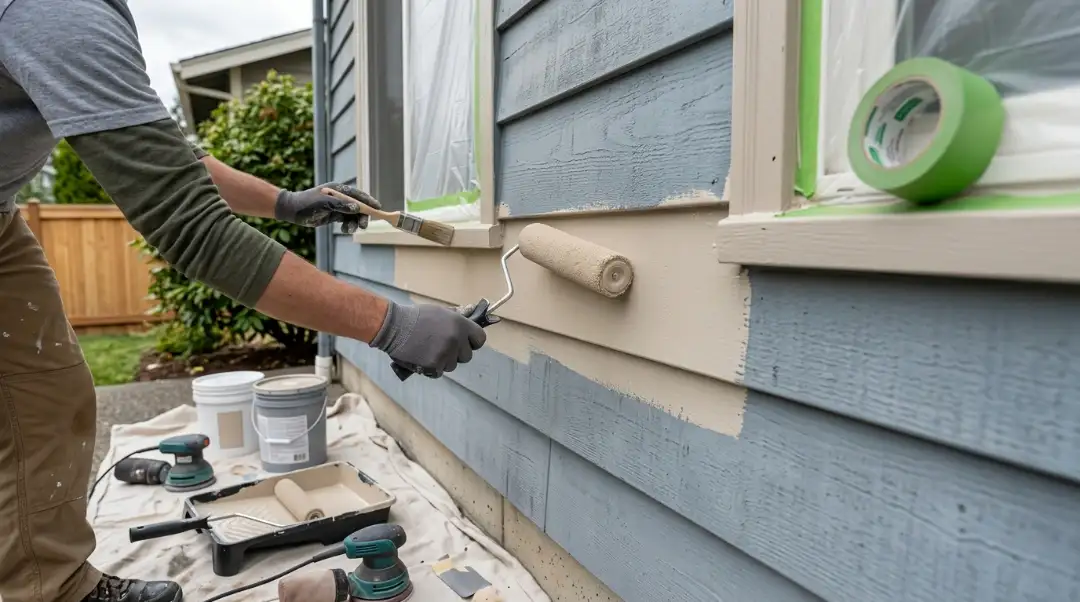
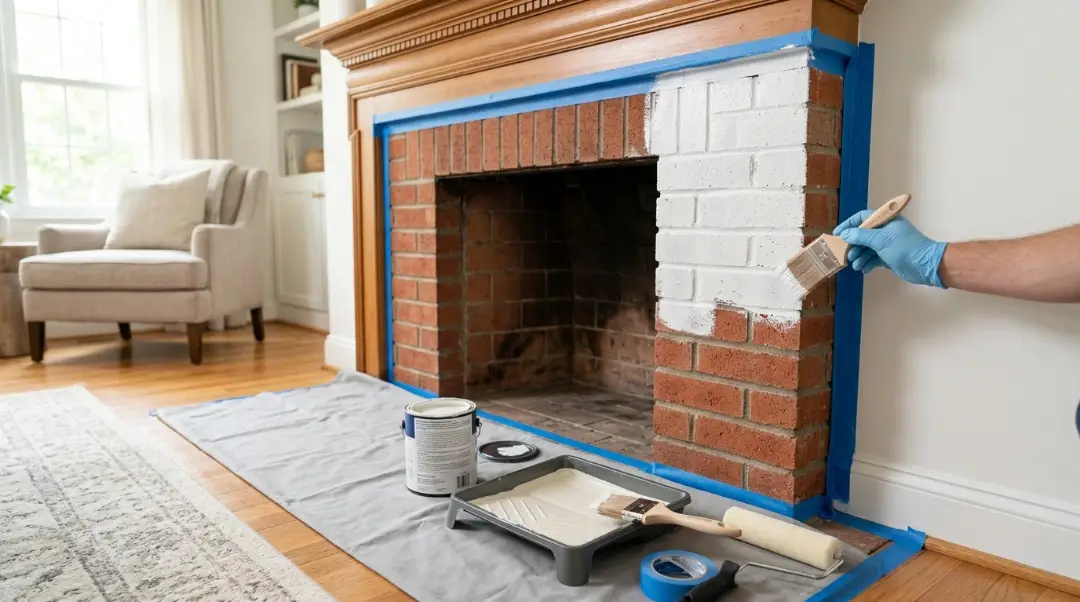
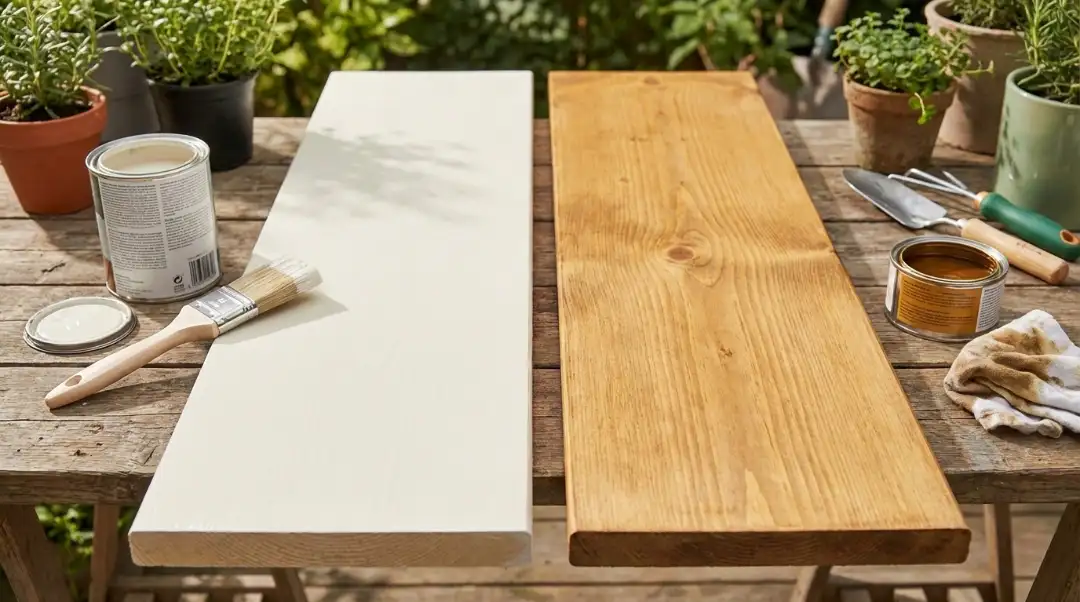
When you apply paint to wood, it dries to form a solid, opaque film right on top of the surface. That film is what protects the wood from rain, sun, and general wear. Because paint sits on top of the wood rather than soaking in, it completely hides the wood grain and gives you a smooth, uniform, finished appearance. Paint is the right call when you want bold, consistent color and the highest level of surface protection.
Types of Paint for Wood Surfaces
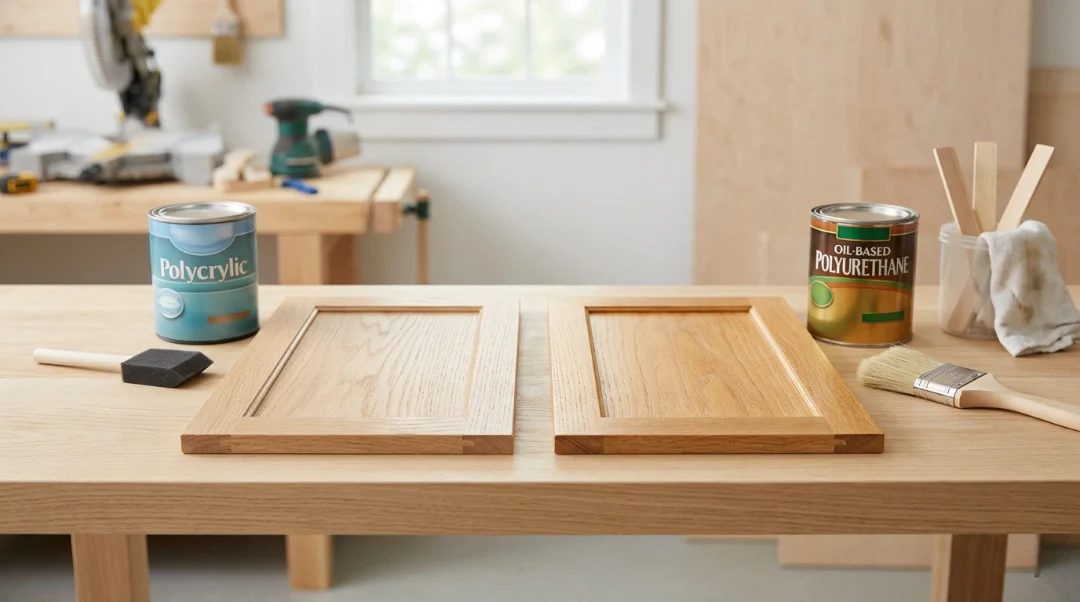
There are two primary types of paint used on wood: water-based latex paint and oil-based alkyd paint. Latex paint dries faster, produces fewer fumes, cleans up with water, and is the most popular choice today. Oil-based paint takes longer to dry but levels out beautifully, making it a preferred choice for trim, cabinets, and surfaces where a super-smooth finish matters. You may also have heard the term enamel vs latex discussed when shopping for interior paints. Enamel simply refers to a hard, durable finish that resists scuffs and moisture. It can be either water-based or oil-based, and is commonly used on trim, doors, and high-traffic furniture surfaces.
What Is Wood Stain?
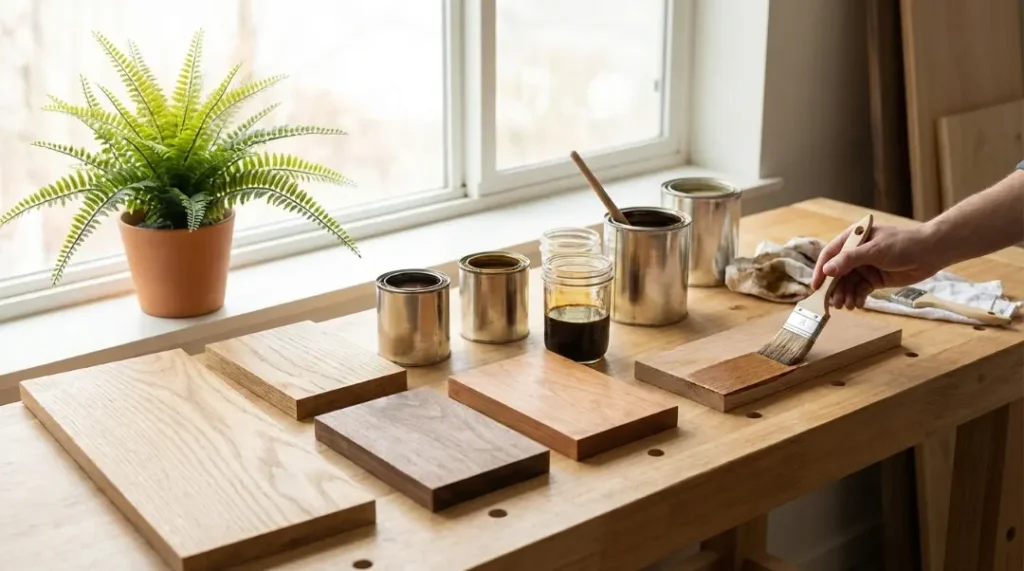
Wood stain is a thinner, penetrating product designed to soak down into the wood fibers rather than sit on top of them. Because it penetrates the surface, stain works with the wood’s natural structure, preserving the grain patterns and character that make wood beautiful in the first place. Instead of forming a rigid film, stain becomes part of the wood itself, offering protection from the inside out.
Stain comes in three main transparency levels. Transparent stains have very little pigment and let the full wood grain show through, though they offer minimal UV protection. Semi-transparent stains add more color while still revealing the grain clearly and providing moderate UV defense. Solid stains add the most pigment, offering near-full color coverage and strong UV protection, though the grain becomes difficult or impossible to see. Solid stains are sometimes confused with paint because of how they look, but they work differently.
What About Paint That Looks Like a Stain?
Some products on the market are marketed as paint that looks like a stain or as a wood finish coating that mimics the natural look of stain while providing paint-level coverage. These are typically solid stains or deck coatings with a flat or low-sheen finish. They are a useful middle-ground option when you want color consistency without the shiny look of traditional paint. Keep in mind that these products still sit primarily on the surface and behave more like thin paint than true penetrating stain.
Key Differences Between Paint and Stain
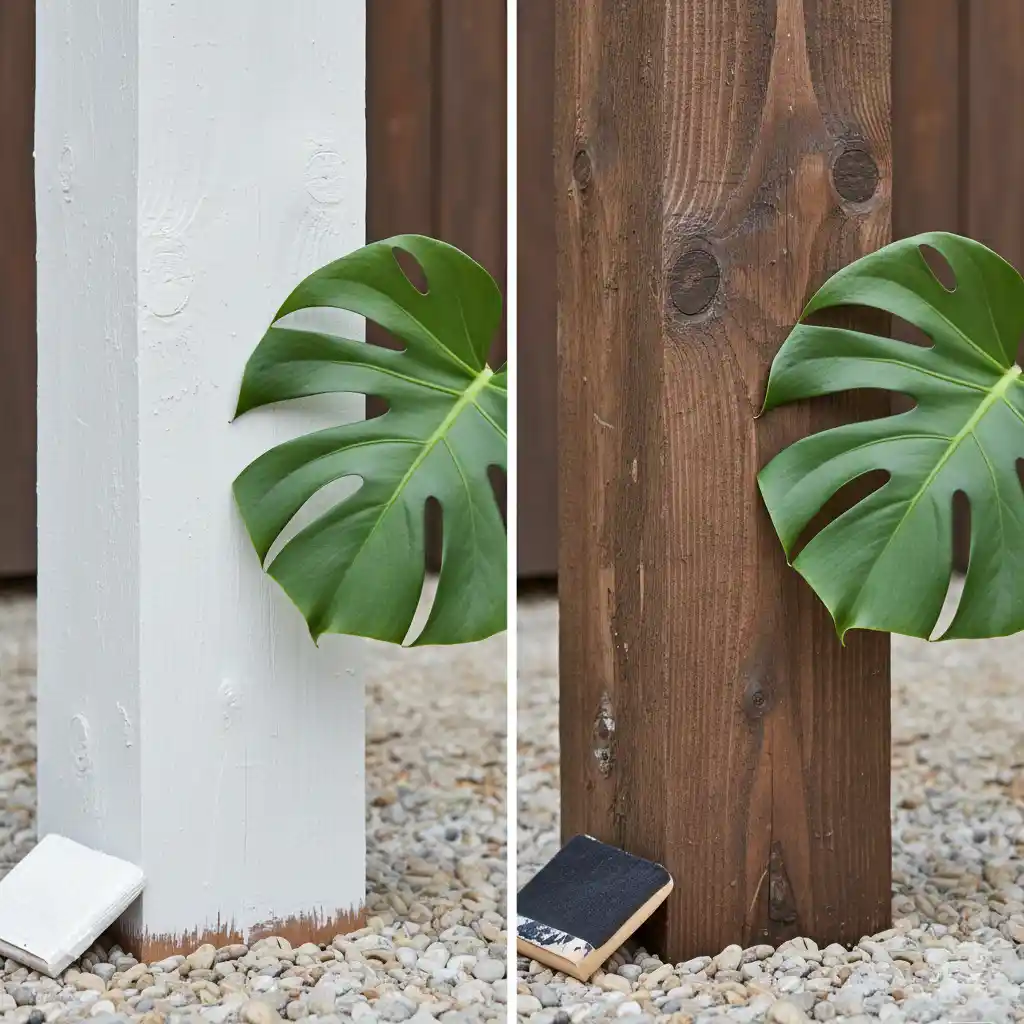
Surface Penetration vs Surface Film
This is the single most important difference between paint and stain, and everything else flows from it. Paint forms a film on top of the wood. Stain penetrates below the surface and bonds with the wood cells. Because of this, paint can crack, chip, and peel when the film breaks down over time. Stain, on the other hand, simply fades and wears gradually without peeling. This makes stain much easier to maintain, because when it is time to recoat, there is no peeling film to scrape away first.
Visibility of Wood Grain
Paint completely hides the wood grain. Even the most beautiful old-growth cedar or naturally textured redwood will be invisible under a coat of paint. Stain preserves and celebrates that natural grain. This is one of the main reasons homeowners prefer stain for high-quality wood surfaces where the appearance of the wood itself is part of the appeal.
Moisture Resistance and Breathability
Paint creates a hard, sealed barrier that resists water from the outside. This makes it excellent for vertical surfaces where rain runs off quickly. However, on horizontal surfaces like deck boards, water can collect and sit. Over time, moisture trapped under the paint film leads to bubbling, peeling, and wood rot. Stain, being a penetrating product, is breathable. Moisture can move through the wood and evaporate naturally, which is a major advantage on horizontal surfaces in wet or humid climates.
Maintenance Requirements
Stain wins clearly when it comes to long-term maintenance ease. Recoating a stained surface typically involves cleaning the wood thoroughly and applying a fresh coat. Repainting a peeling surface requires scraping, sanding, possibly stripping, priming, and then painting. On large surfaces like decks and fences, that difference in labor can mean hundreds of dollars and many hours of extra work.
How Paint and Stain Actually Work: The Science Behind the Finish
Wood is a naturally porous material. It is made up of cells and fiber bundles with tiny open spaces between them that absorb liquids. Stain is formulated to be thin and low-viscosity so it can wick down into those open pores and fibers. Once inside, the pigment and binder cure and harden within the wood structure, providing protection from deep within the material rather than just at the surface.
Paint uses a much heavier binder concentration. When applied, the solvent carrier evaporates and the binder hardens into a rigid protective film over the wood. This film creates excellent resistance against weather, UV rays, and surface abrasion. The challenge is that wood is not static. It expands when it absorbs moisture and contracts when it dries out. This constant movement puts ongoing stress on the rigid paint film, eventually causing it to crack and peel, especially on exterior wood that faces full weather exposure.
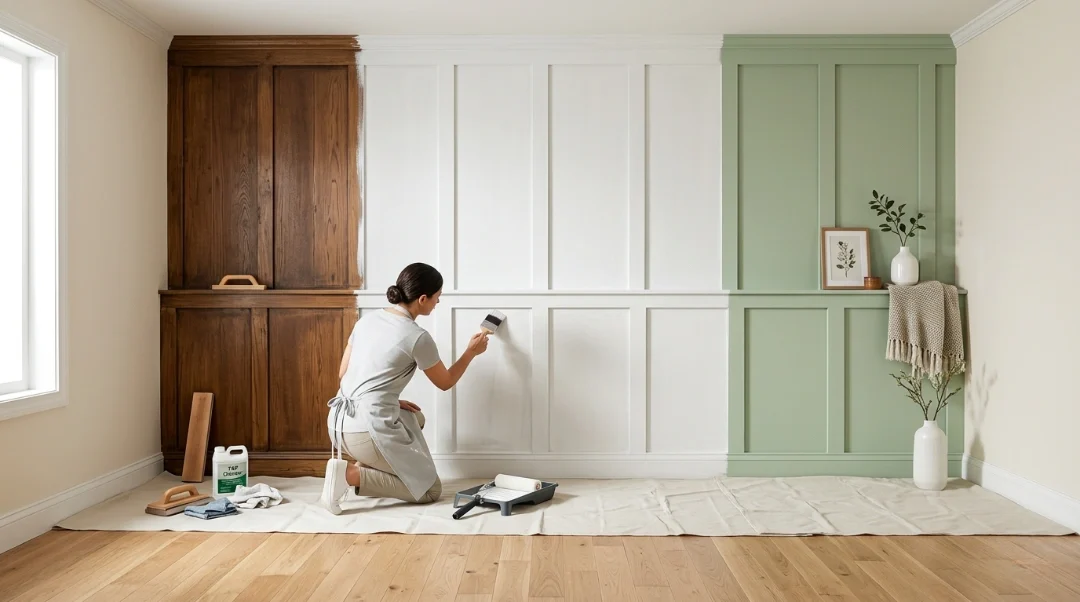
This also explains why applying wood stain on paint does not work the way some homeowners hope. If you try to apply stain over an existing layer of paint, the stain cannot penetrate through the paint film. It just sits on top of the paint, which defeats the entire purpose of stain and produces a poor, uneven result. If you want to transition from paint to stain, stripping the paint is almost always required.
Which Lasts Longer: Paint or Stain on Wood?
The answer depends a lot on the kind of surface and the weather where you live. High-quality exterior paint usually lasts 5 to 10 years on vertical surfaces like wood siding or fence boards before it needs to be completely redone. A semi-transparent stain on the same vertical surface might only last two to three years before it needs to be redone. In that case, paint lasts longer.
But on flat surfaces, the story changes. Moisture cycling, direct sun, and constant foot traffic can cause painted deck boards to start peeling and cracking in just 2 to 3 years. A high-quality penetrating deck stain on the same surface can last 3 to 5 years, and it’s much easier to recoat when the time comes. In real life, stain almost always lasts longer than paint on decks. So, the answer to the question of which lasts longer is: paint on vertical surfaces and stain on horizontal ones.
Difference Between Solid Stain and Paint: Not the Same Thing
Solid stain and paint can look almost identical once applied, but they are fundamentally different products. Solid stain still has some penetrating properties. It partially soaks into the wood surface while also building a thin surface film. Paint builds a much thicker, fully opaque film and does not penetrate the wood at all.
Because solid stain is thinner and more flexible than paint, it moves better with the wood as it expands and contracts through seasonal temperature and humidity changes. This makes solid stain much less likely to crack and peel compared to paint on the same surface. Solid stain is also easier to recoat without stripping because the thin existing film does not create the same level of buildup that paint does over multiple coats. For rough, weathered, or textured wood surfaces, solid stain is often the better protective coating choice over paint.
Which Should You Choose: Paint or Stain?
Choose Paint When:
• You want a bold, uniform, fully opaque color finish on a wood surface
• You are working on vertical surfaces like siding, trim boards, or fence pickets
• The wood has significant imperfections, discoloration, or knots you want to hide
• You need the highest possible level of moisture barrier protection
• You want a glossy, semi-gloss, or satin sheen finish
• The surface has already been painted previously and is in good condition
Choose Stain When:
• You want to preserve and highlight the natural wood grain and texture
• The surface is horizontal, such as deck boards, dock planks, or pergola rafters
• You prefer easier long-term maintenance with simple cleaning and recoating
• You are working with high-quality or naturally beautiful wood species
• You are staining a log home, rustic fence, or outdoor wood furniture
• You live in a climate with high humidity, frequent rain, or coastal moisture
Best Choice for a Fence: Paint or Stain?
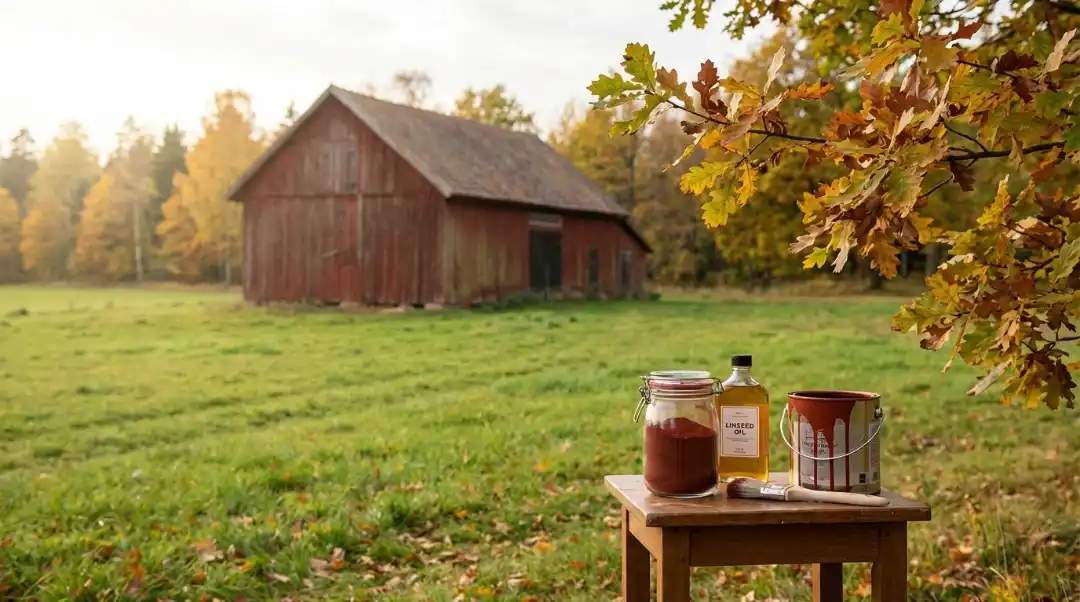
The best choice for a fence really comes down to the fence style and material. For a classic white picket fence, paint is the obvious choice and delivers the clean, bright look everyone expects. For a cedar or redwood privacy fence where the natural grain is worth showing off, semi-transparent or semi-solid stain is usually the smarter pick. Stain penetrates and protects the wood naturally, holds up well to weather, and is far easier to maintain over the years than paint. If you are unsure what your specific fence type needs, the professionals at Inter Color Painting LLC can evaluate your fence material, current condition, and local climate to recommend the right product.
Is It Better to Paint or Stain a Deck? The Definitive Answer
Most professional painters and deck contractors agree on this one: stain is almost always the better choice for decks. Here is the practical reality. Deck boards are horizontal surfaces that sit in rain water after every storm. They heat up in direct summer sun and cool down through cold winters. They take constant foot traffic, furniture weight, and the occasional grill grease spill.
Paint builds a rigid surface film that simply cannot handle all of that movement, moisture, and mechanical stress without cracking and peeling. Once paint starts peeling on a deck, you are looking at a major stripping and prep project before you can repaint. A quality penetrating deck stain, on the other hand, wears gradually and can be refreshed with a thorough cleaning and a fresh coat. For your deck, the clear recommendation is a high-quality penetrating stain with good UV protection and water repellency. Our Exterior Painting Services team handles deck preparation, staining, and protective coating projects using professional-grade products that outlast DIY results.
Does Stain Protect Wood Better Than Paint?
Each product protects in a different way, and neither is universally better. Paint protects by forming a barrier so effective that very little moisture or UV radiation can reach the wood at all. Stain protects by treating the wood from within, adding moisture repellency and UV resistance directly to the wood fibers. In terms of raw barrier strength, paint wins. But in terms of long-term performance on real-world wood surfaces where maintenance consistency matters, stain often delivers better actual protection because it does not peel, does not trap moisture under a failed film, and is far easier to maintain on schedule.
What are the disadvantages of wood stain? The main downsides are shorter recoat intervals compared to paint, less UV protection in transparent formulas, and the fact that it does not hide wood imperfections. If your wood has cracks, knots, grey weathered spots, or major discoloration, stain will show all of those characteristics clearly. Paint covers all of them up. The right choice depends on which trade-offs matter more to you.
Cost Comparison: Paint vs Stain
At the store, paint and stain have similar price ranges per gallon. The real cost difference emerges over time when you factor in recoating frequency and labor requirements.
| Cost Factor | Paint | Stain |
| Material cost per gallon | $30 to $80 | $25 to $60 |
| Coverage per gallon | 300 to 400 sq ft | 150 to 300 sq ft |
| Prep time for recoat | High (scrape, sand, prime) | Low (clean surface, recoat) |
| Recoat frequency | Every 5 to 10 years | Every 2 to 5 years |
| Long-term labor cost | Higher per event | Lower per event, more frequent |
Is stain more expensive than paint overall? Not necessarily. While stain requires more frequent reapplication, each recoat is faster and cheaper because prep work is minimal. Paint recoats happen less often but involve significant labor. Over a 10-year window on a large surface like a deck or fence, total costs tend to be fairly similar. The bigger factor is often how much of your own time you are willing to invest in maintenance.
Do You Have to Remove Stain Before Painting?
In most real-world situations, yes. If you want to switch from stain to paint on an exterior wood surface, the existing stain needs to be removed or at least fully assessed before you apply paint. For deeply penetrating transparent or semi-transparent stains that have faded significantly, it may be possible to apply a solid stain or alkyd-based paint directly over the surface after thorough cleaning and light sanding. However, you should always test a small area first and check manufacturer compatibility guidelines.
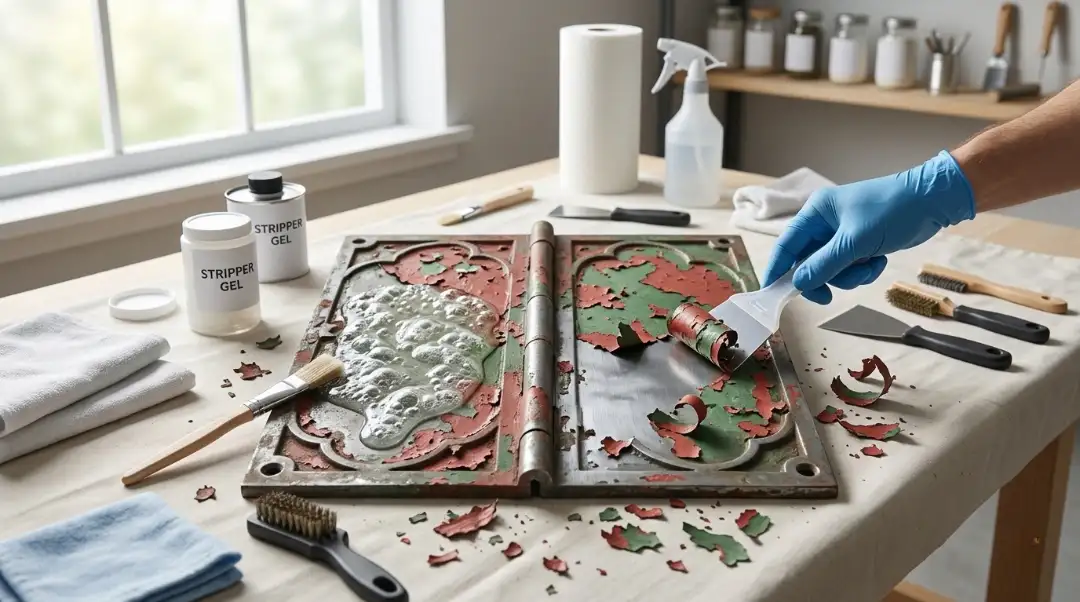
If the existing stain is flaking, discolored, or there are multiple old coats built up, it needs to come off before painting. Power washing, hand sanding, and sometimes chemical strippers are needed to get back to a clean, stable surface. Skipping this step is one of the most common and costly mistakes homeowners make, leading to poor adhesion and early failure of the new paint job.
When Should You Stain Instead of Paint?
Stain is almost always the better choice when you want the wood to look like wood. Think about all the surfaces where the natural character of the material is part of the design appeal: a cedar deck, a log home exterior, a redwood privacy fence, a pergola with exposed beams, garden furniture, or interior wood paneling. Covering those surfaces with paint trades their natural beauty for uniform color, which is sometimes what you want, but often is not.
Staining is also clearly the right call when horizontal surfaces are involved, when you live somewhere with high humidity or frequent rain, or when you simply want maintenance to be simple and manageable over time. When in doubt, ask yourself one question: do I want people to see that this is beautiful wood? If yes, stain is almost certainly your answer.
Common Mistakes to Avoid When Choosing Between Paint and Stain
• Applying stain over paint: Stain cannot penetrate through an existing paint film. It sits on top uselessly. Strip the paint before applying stain.
• Using interior products outdoors: Interior stains and paints are not formulated to handle UV exposure, rain, or temperature swings. Always use exterior-rated products for any outdoor surface.
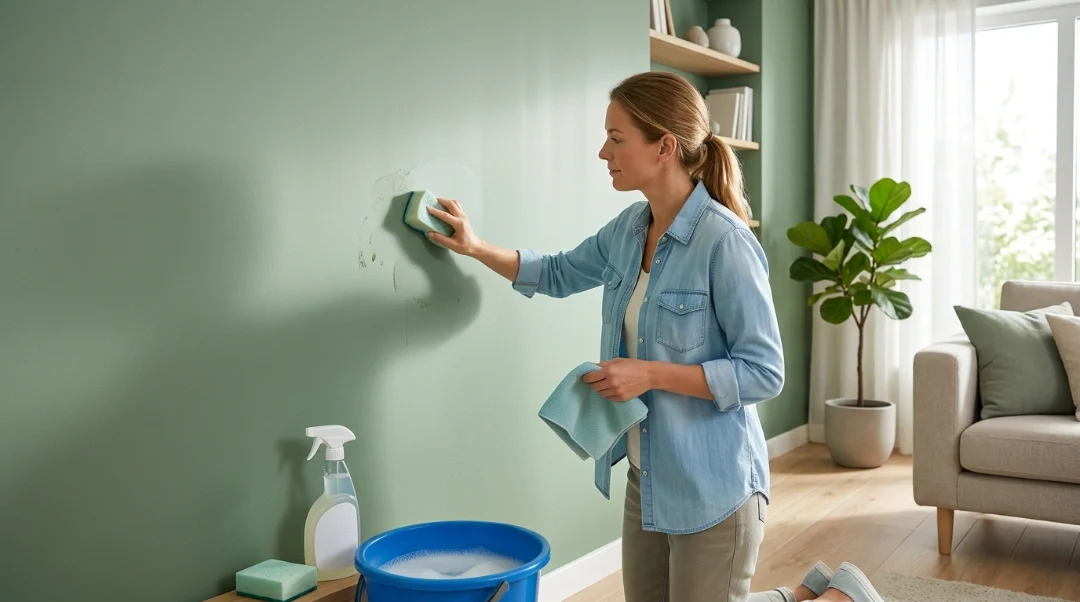
• Skipping surface preparation: Both paint and stain need a clean, dry, stable surface to adhere properly. Dirt, mildew, or moisture in the wood leads to early failure of any coating.
• Confusing solid stain with paint: They look similar but behave differently. Solid stain is more flexible and penetrates partially. Do not expect paint-like longevity from solid stain, or stain-like flexibility from paint.
• Painting a horizontal deck: Paint on deck boards almost always peels within 2 to 3 years. Use a quality penetrating deck stain instead for dramatically better results and easier maintenance.
• Applying stain in direct sunlight or extreme heat: High heat causes stain to dry before it properly penetrates. This leads to blotchy, uneven absorption. Apply stain in shade or on a cooler day.
• Not testing compatibility: If you are applying a new product over an existing one, always test a small area first to check for compatibility, adhesion, and appearance issues.
Need Professional Help? Talk to an Expert Painter
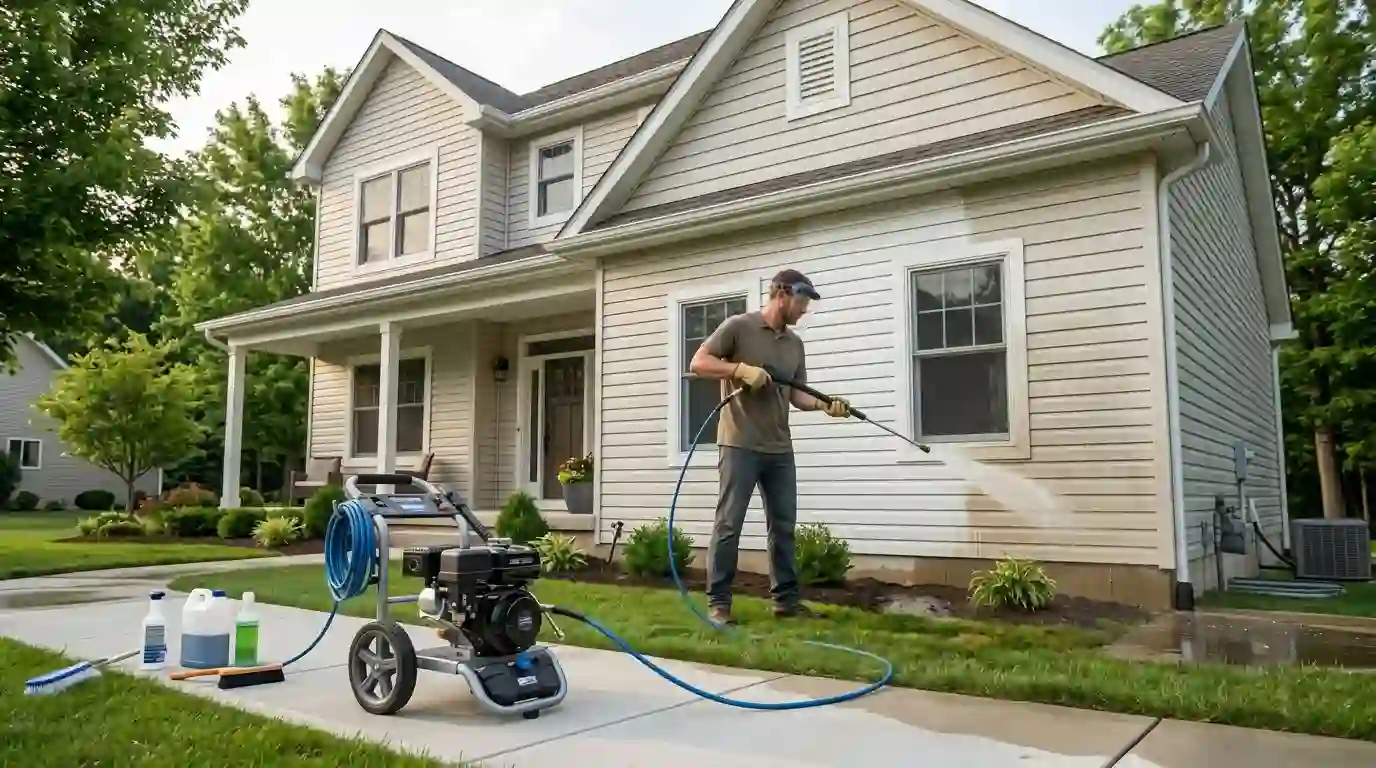
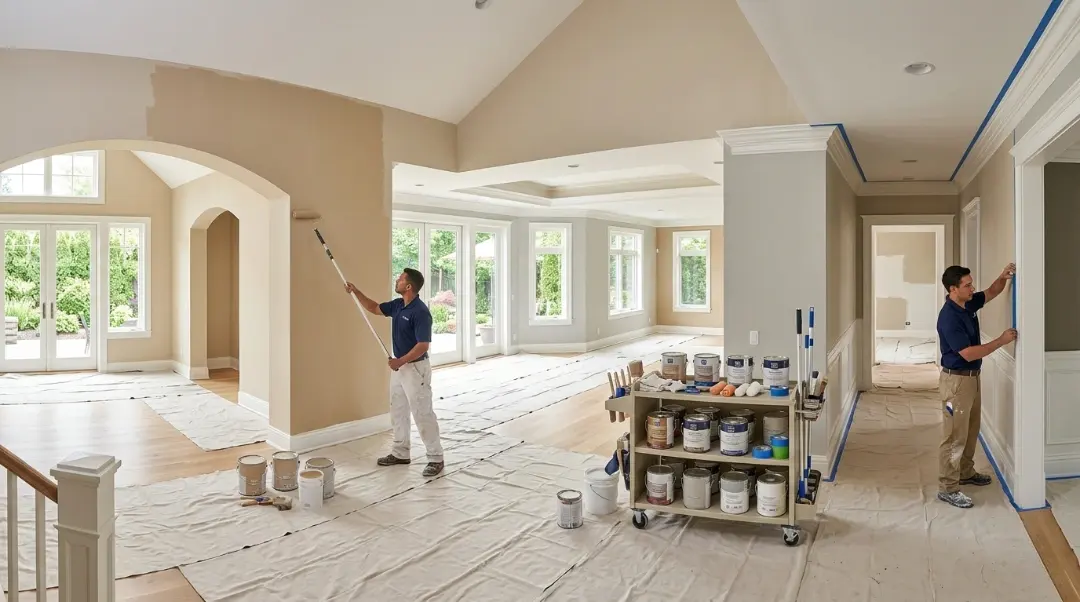
The best decisions about paint versus stain often come from someone who has worked on hundreds of wood surfaces in your specific climate and region. Whether you are tackling an interior wood project or a full exterior transformation, getting professional eyes on your surface before you commit to a product can save you time, money, and a lot of frustration.
Our Interior Painting Services Seattle team works with homeowners on wood paneling, cabinets, trim, built-ins, and interior wood surfaces where the right product and finish make all the difference. We assess the wood type, existing finish condition, your design goals, and the specific demands of the space before recommending any product. Real value comes from experience, and that is something no amount of online research fully replaces.
Conclusion
What is the difference between paint and stain?
Paint makes a strong protective layer that sits on top of wood. Stain, on the other hand, goes deeper into the wood and brings out the natural grain. Paint usually lasts longer, but it can peel over time. Stain usually needs to be applied more often, but it’s easier to take care of and doesn’t crack as often. When choosing between paint and stain, think about how you want it to look, how much maintenance you can handle, how long it needs to last outside, and how much money you have.
The experts at Inter Colour Painting LLC are here to help if you’re still not sure which option is best for your home. Contact us today for professional help and a free consultation to make sure your project gets the perfect finish that lasts for years.
Frequently Asked Questions
Is it better to paint or stain wood?
It depends on your surface and goals. Paint is better for a clean, uniform look on vertical surfaces and when you need maximum coverage and moisture protection. Stain is better when you want the natural wood grain to show, when working on horizontal surfaces like decks, or when you want simpler long-term maintenance.
Which lasts longer, paint or stain?
When used on vertical surfaces, good exterior paint usually lasts 5 to 10 years, while semi-transparent stains only last 2 to 4 years. In real life, stain often works better than paint on horizontal deck surfaces because paint peels off and stain fades slowly, making it much easier to recoat.
What are the disadvantages of wood stain?
Stain requires more frequent reapplication than paint, offers weaker UV protection in transparent formulas, does not hide wood imperfections or discoloration, and cannot be effectively applied over paint without stripping the paint first.
When should you use stain instead of paint?
Use stain when the natural wood grain is worth preserving, when the surface is horizontal such as a deck, when long-term ease of maintenance matters, or when working with naturally beautiful wood species like cedar or redwood.
Does paint protect wood better than stain?
Paint forms a stronger surface barrier against moisture and UV rays. However, on surfaces subject to wood movement, such as decks, stain often provides better long-term protection in practice because it does not peel, crack, or trap moisture beneath a failing film.
Are stains more expensive than paint?
Upfront material costs are similar. Stain requires more frequent reapplication but with minimal prep each time. Paint lasts longer between coats but demands significant stripping and sanding labor when it fails. Over 10 years, total costs tend to be comparable depending on the surface.