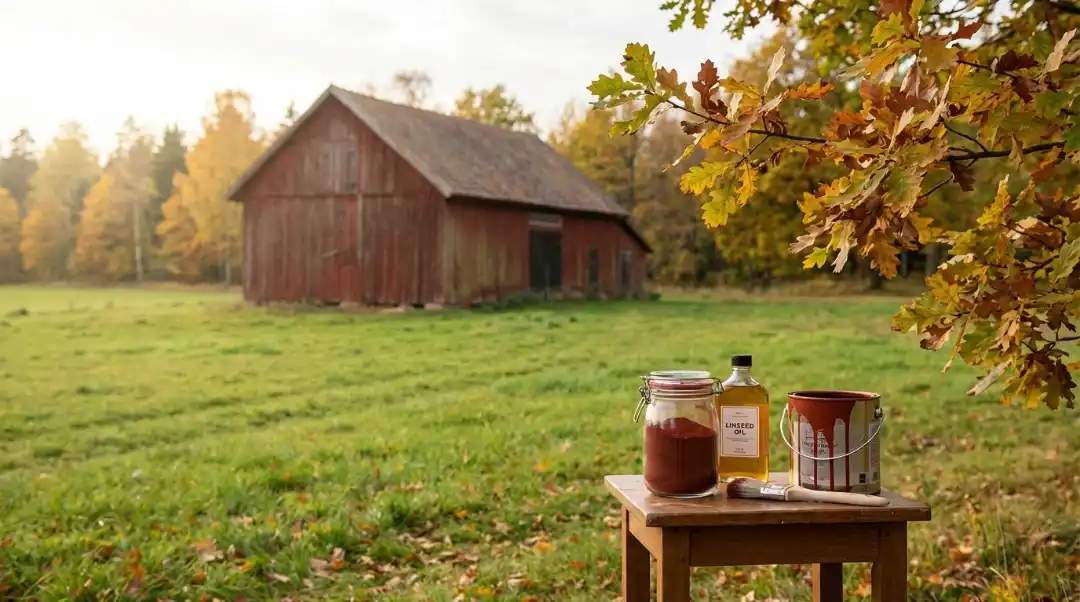
You may have noticed a pattern if you’ve ever driven through the countryside: barns are almost always red. Many homeowners and farmers still want to know why Are Barns painted red instead of another color. That’s a good question. The choice of barn color wasn’t random, just like the debate between enamel and latex paint for modern homes. It was based on real farm needs and was practical and cheap.
We’ll tell you the real story behind red barns in this guide. You will find out why farmers first painted their barns red, how the paint works, common myths, and whether barns are still painted red today. You’ll know why this simple color became a lasting symbol of American farming by the end.
The Original Reason Barns Were Painted Red
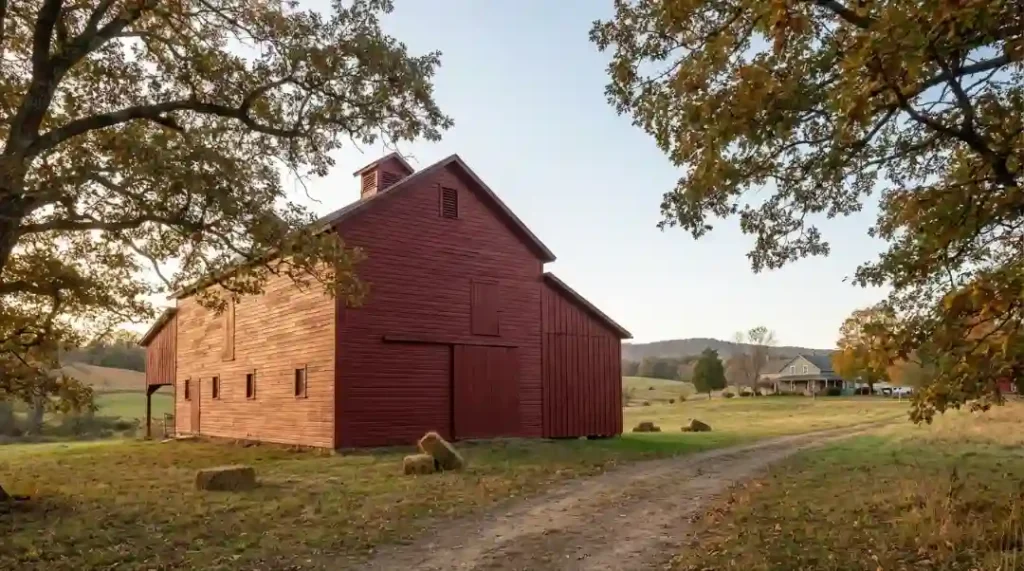
You need to go back to a time before paint stores, hardware stores, or the internet to find out why barns are red. Farmers in early America and Europe needed a way to keep their wooden barns safe from the weather. Rain, snow, sun, and cold could all rot wood in just a few years if it wasn’t protected.
Back then, farmers made their own protective coating at home. They made a thick, oil-based sealant by mixing linseed oil (pressed from flax seeds) with a few other things. The recipe was easy to follow and worked. Linseed oil gets deep into the fibers of wood and makes a strong, weatherproof barrier. It was cheap, simple to make, and worked very well.
But linseed oil alone dries slowly and doesn’t add any color. Farmers needed to add something to the mix that would help the wood dry faster and protect it even more. Iron oxide came in at that point.
How Iron Oxide Became the Key Ingredient
It was very easy to find iron oxide, which is also known as rust or ferrous oxide, on any farm. Over time, old tools, nails, fences, and equipment all rusted. Farmers would gather this rust powder and add it to their linseed oil base. The outcome was a deep reddish-brown paint that dried quickly, stuck well to wood, and lasted for years.
This mixture of rust pigments did two important things at once. It kept the barn dry and safe from rot. Second, the dark red color absorbed sunlight, which helped the wood dry out and kept the barn warmer in the winter. It was a useful two-for-one solution that came about because it was needed.
What Makes Barns Red Historically: The Science Behind the Paint

Let’s look at chemistry more closely because it’s really interesting. Linseed oil is made from flax seeds and has fatty acids that react with oxygen in the air. This is called oxidative polymerization. This reaction makes a hard, protective layer on wood surfaces.
When farmers added iron oxide (rust) to this oil, it acted as a drying agent, speeding up the polymerization process. This was important because a barn is a large surface to coat, and farmers could not afford to wait days for each section to dry before moving on.
The last mixture was basically an early version of what we now call a paint and primer that is based on oil. It was cheap because rust and linseed oil were both by-products of farming. It worked well and was easy to put on with simple brushes. This formula was very advanced for its time when it came to ways to keep barns in good shape.
Why This Still Matters Today
Modern exterior paints use similar principles. Oil-based and alkyd paints still form protective barriers through oxidation, though the process is now highly refined. The farmers who mixed rust into linseed oil hundreds of years ago were, without knowing it, applying early principles of paint chemistry that professionals still rely on today.
The Meaning Behind the Color Red
Once red became the standard barn color for practical reasons, it took on a deeper cultural meaning across farming communities. Red came to represent hard work, stability, and prosperity. A well-painted red barn was a sign that a farmer was taking good care of his land, his animals, and his livelihood.
In a lot of rural parts of America and Scandinavia, where the same linseed oil and iron oxide tradition was used, a newly painted red barn was a source of pride. People in the neighborhood saw it. It showed that you were a serious farmer who took care of your land.
The color red became so closely linked to farming identity over the years that it no longer needed a practical reason to continue. It just turned into what a barn should look like.
Cultural and Religious Traditions Around Barn Paint
Science tells us how things work, while culture tells us why the tradition stayed. The color red became a sign of wealth and safety in many communities, especially among the Pennsylvania Dutch and some Amish groups.
- Red Barns and the Amish: You might ask, why do Amish barns stay red? For many, it is about tradition and community uniformity. Red is a humble, functional color that honors their agricultural heritage.
- The Symbolism of Luck: Some historians believe that red was seen as a “lucky” color that protected the farm from bad spirits, though most modern farmers view it through the lens of farm building maintenance.
Did Red Barns Stay Warmer in Winter?
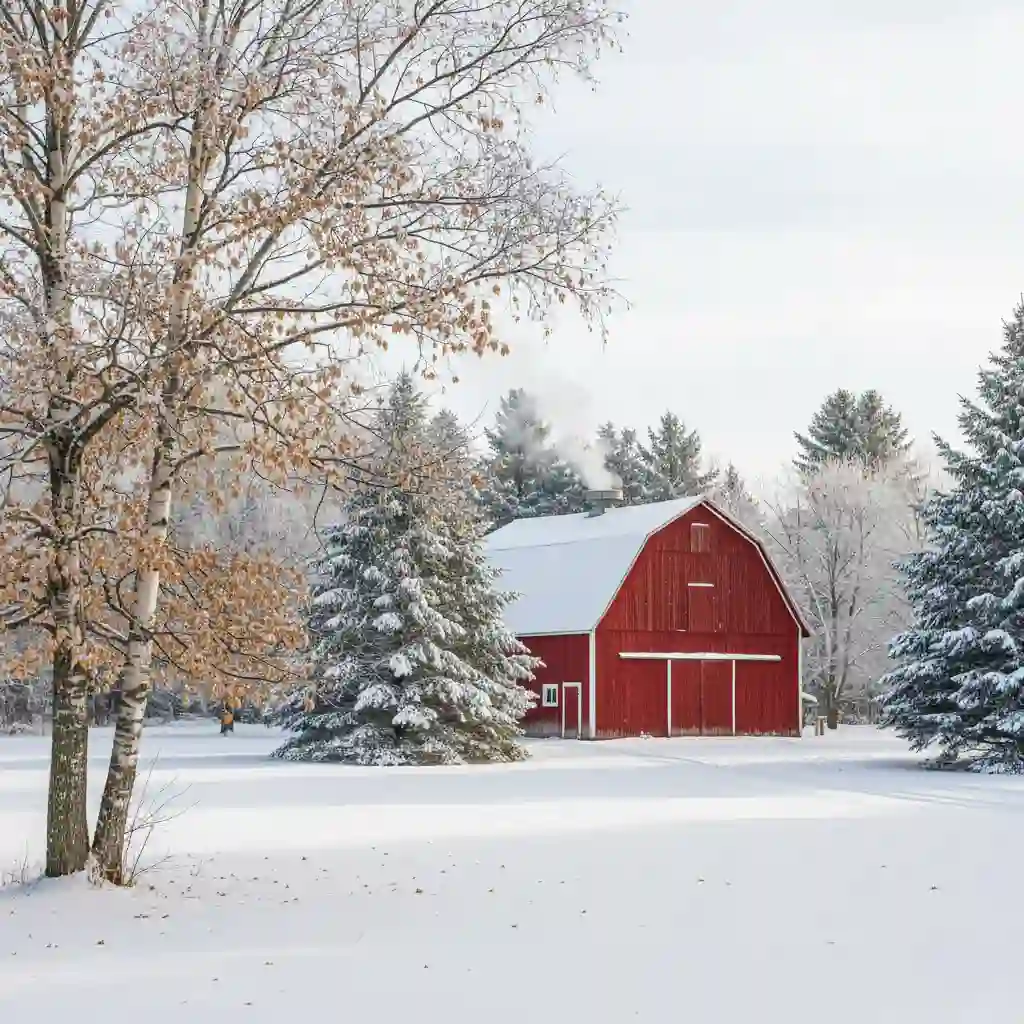
This is a question many people ask, and the answer is: yes, to a degree but it was a bonus, not the main reason.
Dark colors absorb more heat from sunlight than light colors. A red barn will absorb more solar radiation on a sunny winter day compared to a white barn. For animals living inside, this could make a noticeable difference in comfort during cold months. A warmer barn meant healthier animals, less feed needed for body heat, and better milk and egg production through winter.
Some historians believe that farmers did factor in this benefit when choosing red. However, the primary driver behind the red barn tradition was always cost and wood preservation. The warmth benefit was a welcome side effect, but it was not the starting point of the tradition.
Common Myths About Red Barns Myth vs. Fact
Myth: Farmers Used Blood to Paint Barns
This is one of the most common false beliefs about red barns. People say that farmers mixed animal blood into their paint to make it that dark red color. Some early folk construction methods used blood, but there isn’t a lot of historical evidence that painting barns with blood was a common practice.
The explanation involving rust and linseed oil is much better supported by evidence and makes much more sense. Blood would smell bad, attract animals, and go bad quickly, which isn’t good for a big outdoor building. Fact: iron oxide, not blood, made the red color.
Myth: There Was a Law Requiring Red Barns
No such law ever existed in the United States. The red barn tradition spread organically because it worked well and was affordable not because anyone required it. Farmers in different regions independently arrived at the same solution because the ingredients were available everywhere.
Myth: Barns Were Always Red From the Very Beginning
In fact, the first barns in America were not painted at all. In colonial times, it was hard to find and expensive to buy paint. People only started painting barns a lot when farmers started making their own paint with rust and linseed oil. Red won out because iron oxide was easy to find on working farms.
Why Farmhouses Were White but Barns Were Red
You will almost always see the same pattern on a traditional American farm: a white farmhouse and a red barn. This is not a coincidence.
In early America, people used lead white or lime-based whitewash to make white paint. These were both more expensive than the iron oxide and linseed oil mix that was used on barns. Farmers put their money into the house, where the family lived, and used the cheaper red formula on the barn, which was just for work.
There is also a social and psychological element here. The white farmhouse represented the domestic, refined side of farm life. The red barn represented labor, animals, and agricultural production. The color contrast between the two structures visually communicated their difference in purpose.
Over time, this contrast became part of the visual language of rural America so much so that it persists today even when neither cost nor practicality demands it. The classic farmhouse red barn combination is now simply a cultural icon.
Do Farmers Still Paint Barns Red Today?
A lot of farmers and people who own land in the country still paint their barns red, but these days it’s mostly for cultural and aesthetic reasons, not just practical ones. There are dozens of different types of modern barn door red and red barn roof paints on the market. They come in latex and oil-based forms and protect against UV rays, mold, and fading color.
Some property owners want to keep the red barn look of their farmhouse because it honors their agricultural heritage. For some, it’s just a classic look that works well with the landscape. The tradition goes on, no matter what.
Rural architecture historians say that the red barn is one of the most famous symbols of farming life in the United States. Even in today’s world, keeping it alive keeps that cultural story alive and well for future generations.
Why Choose Inter Color Painting LLC for Your Barn or Exterior Painting Needs?
Whether you are restoring a historic red barn or refreshing the exterior of a rural property, the quality of the paint job matters enormously. At Inter Color Painting LLC, we specialize in exterior painting projects that combine modern materials with respect for traditional aesthetics.
Our team understands the unique challenges of painting large agricultural and rural structures surface preparation, weather resistance, color matching, and long-term durability. If you are in the Pacific Northwest and looking for professional Exterior Painting Services Seattle, we bring the expertise and craftsmanship to make your property look its best while preserving its character.
From classic barn door red to custom farmhouse colors, Inter Color Painting LLC delivers results that stand up to the elements and stand out in the landscape.
Conclusion
So, what makes barns red? The answer lies in wise farming choices made hundreds of years ago. Early farmers found that mixing linseed oil and iron oxide made a cheap, long-lasting coating that kept wood safe from bad weather. What started as a useful solution grew into a strong symbol of American farming history and rural architecture.
The red barn is still popular today because it has a long history, a useful purpose, and looks good all the time. Inter Color Painting LLC can help you if you want to fix up a barn, paint the outside of a farmhouse red barn, or get expert advice on how to paint the outside of your home. Contact us today to talk about your project and get expert advice on how to keep your property safe and beautiful for years to come.
Frequently Asked Questions
Why were barns painted red originally?
In the past, farmers would mix linseed oil with iron oxide (rust) to create a low-cost and effective wood preservative, which is why barns were originally painted red. Iron oxide not only made the paint dry faster, but it also gave it the paint’s signature red hue.
What is the real reason barns are red?
The real reason is practical: farms had a lot of rust (ferrous oxide), and when it was mixed with linseed oil pressed from flax seeds, it made a paint that was cheap, weatherproof, and dried quickly. Using iron oxide naturally made the color red.
Were barns always red?
No. The very first barns in colonial America were left unpainted because paint was expensive. Red became standard only after farmers developed the iron oxide and linseed oil recipe, which was cheap and easy to make from existing farm materials.
Why are farmhouses white and barns red?
White paint (made from lead white or lime whitewash) was more expensive than the iron oxide mixture used on barns. Farmers spent more on the house where the family lived and used the cheaper red formula for the working barn. This color contrast eventually became a lasting cultural tradition.
Did farmers use blood to paint barns?
This is a myth. While blood was occasionally used in very early construction methods, there is no widespread historical evidence of blood-based barn paint. The red color came from iron oxide, not blood.
Why don’t farmers paint barns in other colors?
Some do white, black, and gray barns exist. But red remains dominant because of deep-rooted cultural tradition, the wide availability of red exterior paint products, and the strong aesthetic association between red barns and American rural heritage.
Why were barns painted red in the 1800s?
Red paint was the cheapest choice for big wooden buildings in the 1800s. Farmers made their own paint by mixing rust (iron oxide) and linseed oil, which are both cheap by-products of farming. The dark red color also absorbed heat, which helped keep barns a little warmer in the winter.