When it comes to managing properties and owning businesses, first impressions are crucial. When you step foot in a building, you can get an instant impression of the company’s professionalism, or you might be put off by the peeling paint and outdated decor. The outcome of commercial painting is this aesthetic effect.
But what is commercial painting, and how does it differ from a standard home paint job? In order to keep your property’s worth up, it is vital to grasp the scope, methods, and necessities of professional commercial painting. This is true whether you are operating a tech office in downtown Seattle or a small retail boutique.
Understanding Commercial Painting
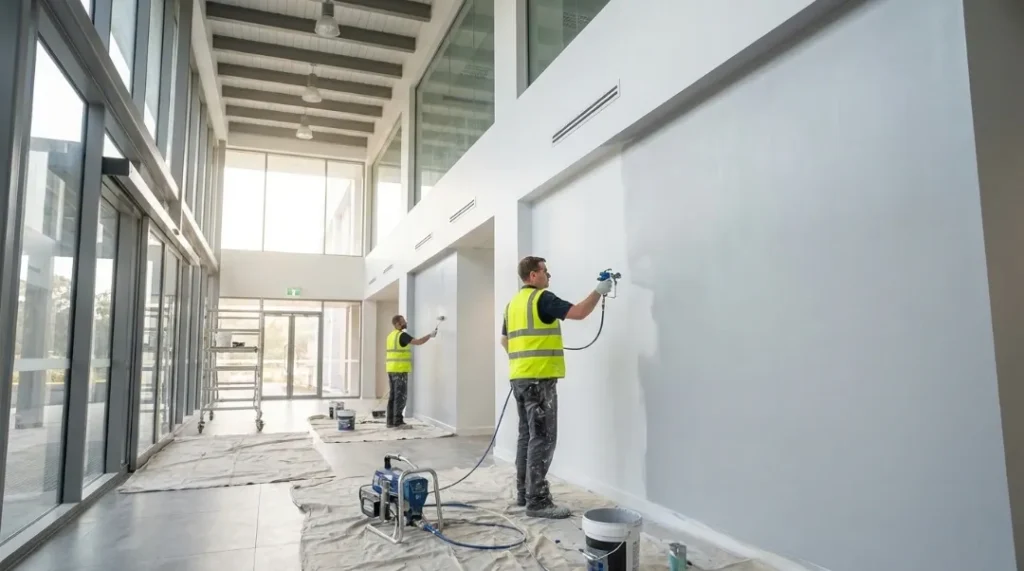
When it comes to managing property and running a business, first impressions are highly important. You might feel the professionalism of a building right away as you walk in, or you might see peeling walls and old colors that make you doubt the quality of the organization. Commercial painting is what makes this look so good.
What is commercial painting, and how is it different from painting a house? Whether you run a tech office in downtown Seattle or a small retail store, it’s important to know the scale, techniques, and requirements of professional commercial painting in order to keep your property worth high.
What Is a Commercial Painter?
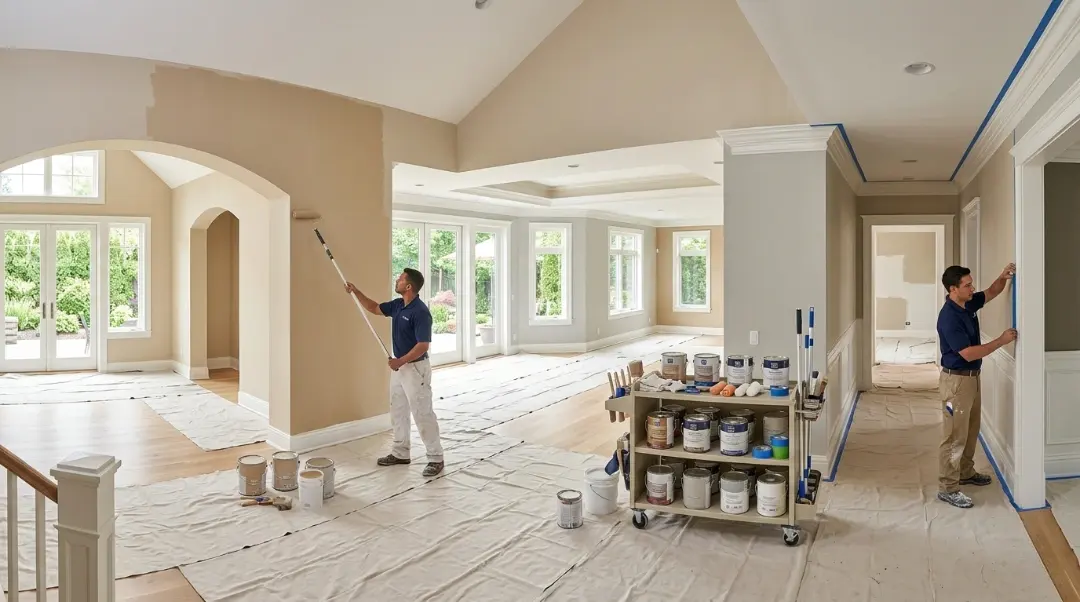
A commercial painter is a qualified expert who paints and coats big business spaces. They are not only people who know how to paint. They know how to prepare surfaces, apply primer, choose materials, follow safety rules, and work quickly on major projects without bothering customers.
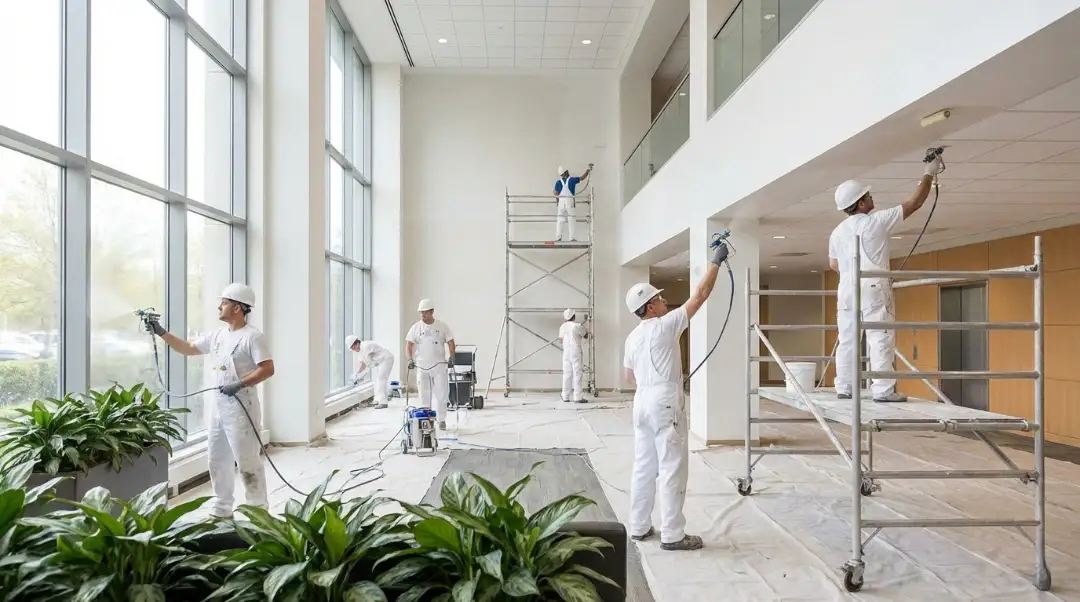
Most commercial painters are part of a crew, have licenses, and have insurance. They use tools that are of professional quality, including airless sprayers, scaffolding, lifts, and pressure washers. Many of them also have certifications in special coatings like epoxy floor coating or fire-retardant finishes.
What Is Commercial Painting in Construction?
Commercial painting is often one of the last steps in developing a structure in the construction business. After the walls, ceilings, floors, and structures are up, painting contractors move in to put on primers, basecoats, and finish coats. This is an important phase that preserves the building materials, ensures that the work satisfies local codes, and gives the finished room a professional aspect.
Commercial vs Industrial Painting: What Is the Difference?
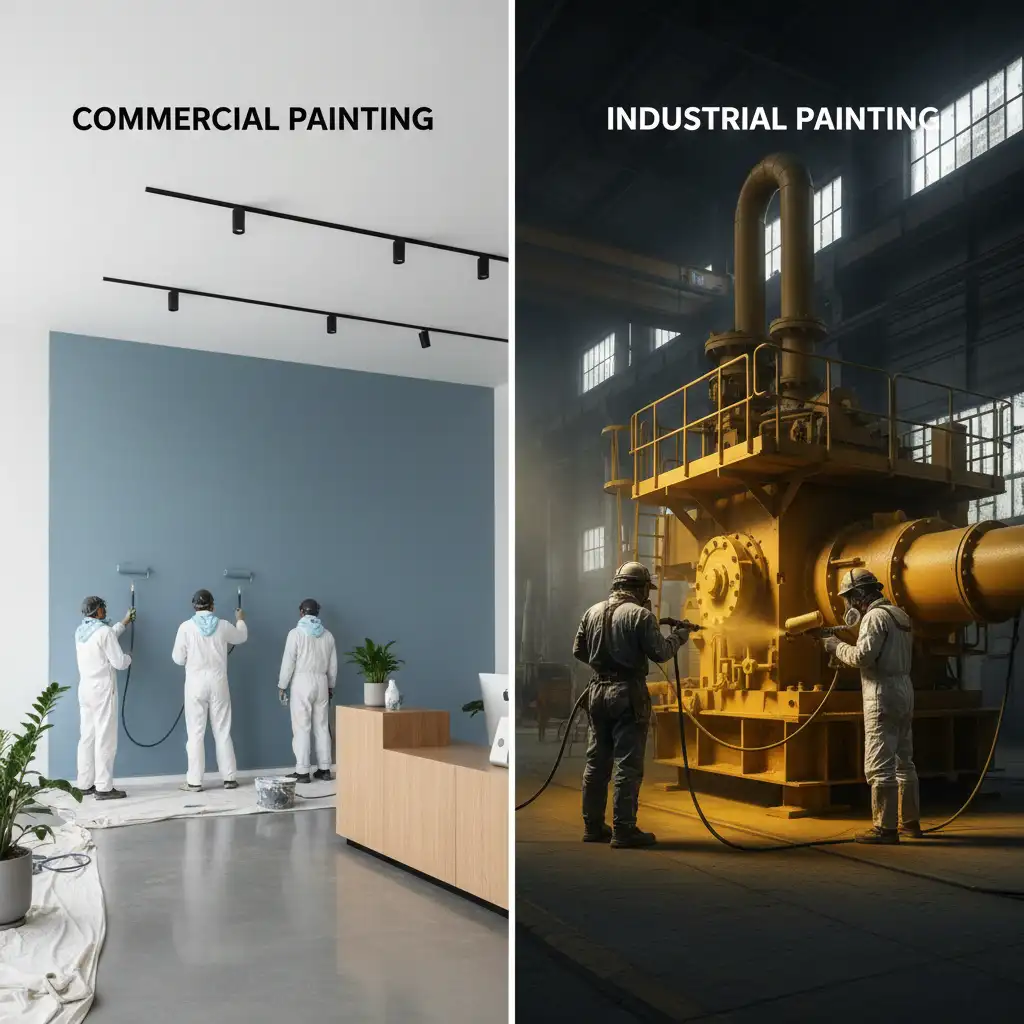
You can use these two words together sometimes, but they’re not quite the same. Commercial painting is usually done in places where people work, shop, or meet, like hospitals, schools, retail stores, restaurants, and offices. Industrial painting includes painting metal structures, factories, refineries, and places where chemicals, heavy machinery, or high heat must be able to stick to the paint.
Industrial coatings are more complicated and need a specific understanding of how to protect against corrosion, resist chemicals, and adhere to a surface. Both types of painting need trained professionals, but industrial painting needs even more specific training and tools.
The Process of Professional Commercial Painting
When Inter Color Painting LLC takes on a project, we don’t just “slap on a coat of paint.” A successful commercial outcome depends on a rigorous, multi-step process.
1. Planning and Consultation
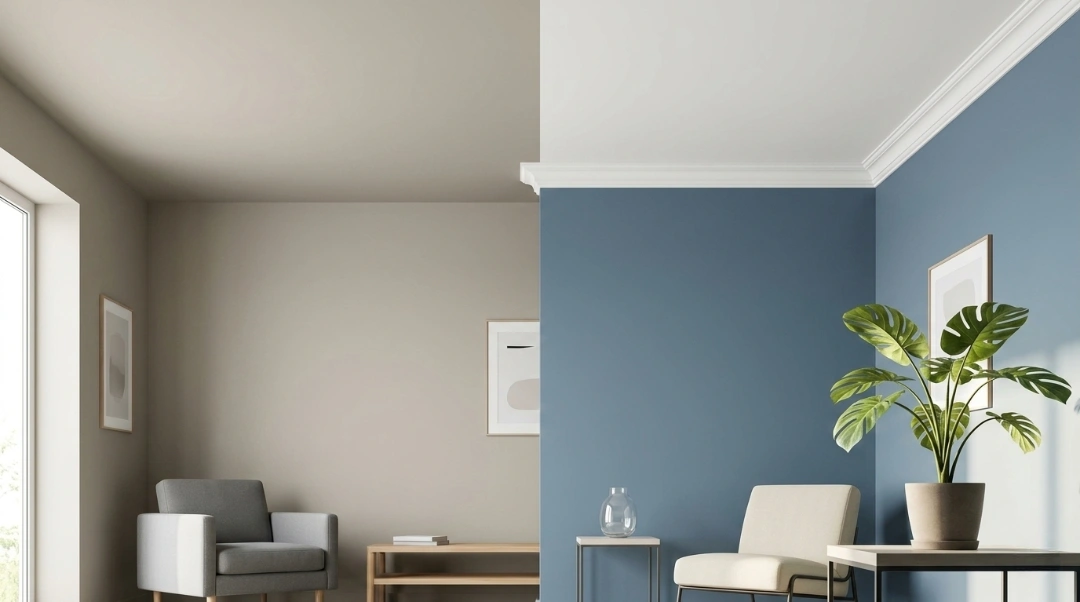
Before starting any endeavor, you need to figure out how hard it will be. We figure out the schedule, the color schemes that fit your brand, and the exact materials needed for places with a lot of foot traffic.
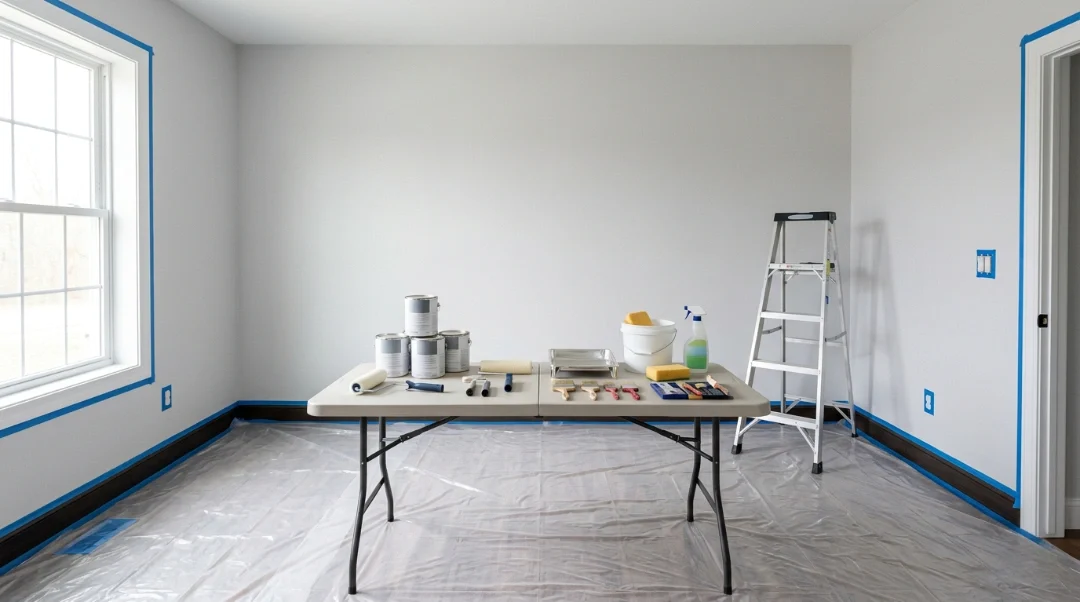
2. Thorough Surface Preparation
This is the most critical step. Without proper surface preparation, even the most expensive paint will fail.
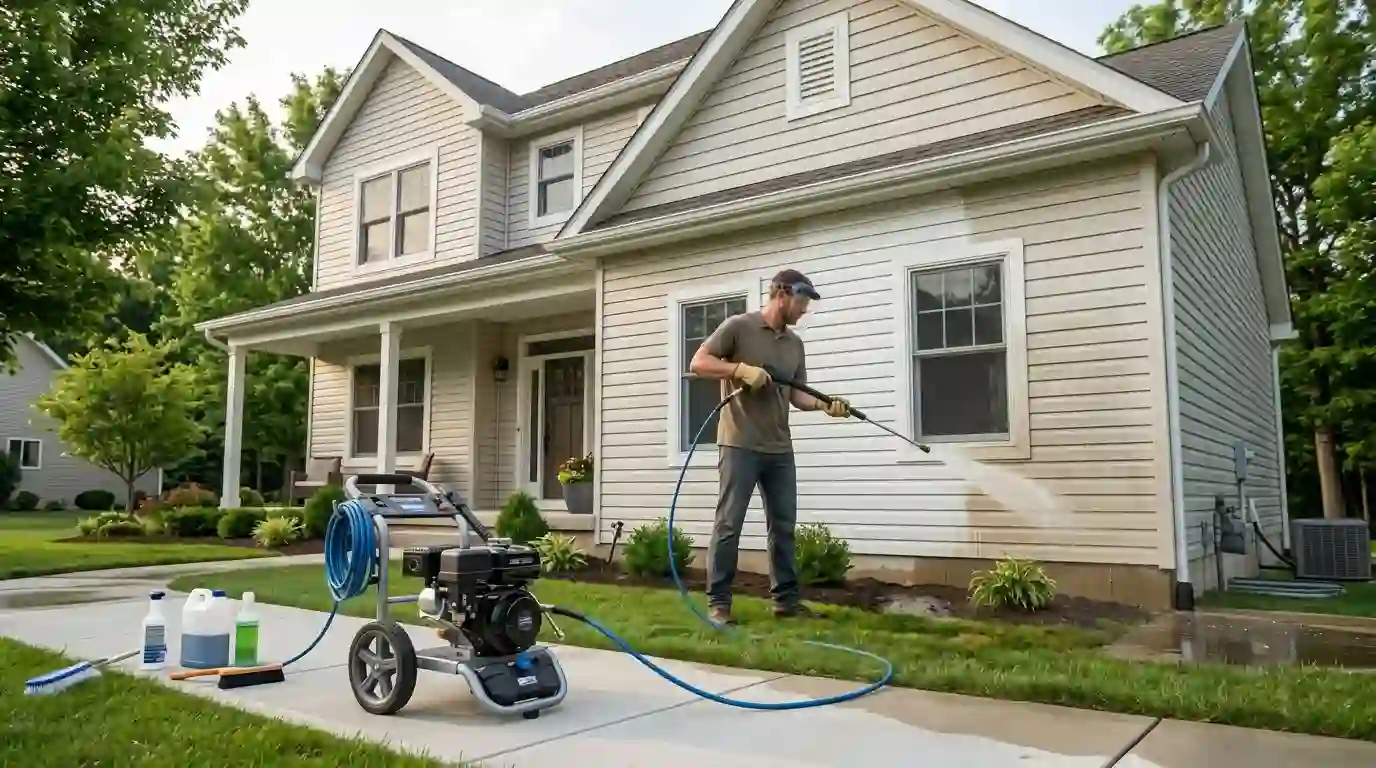
- Power Washing: Removing dirt and grime from the building exterior.
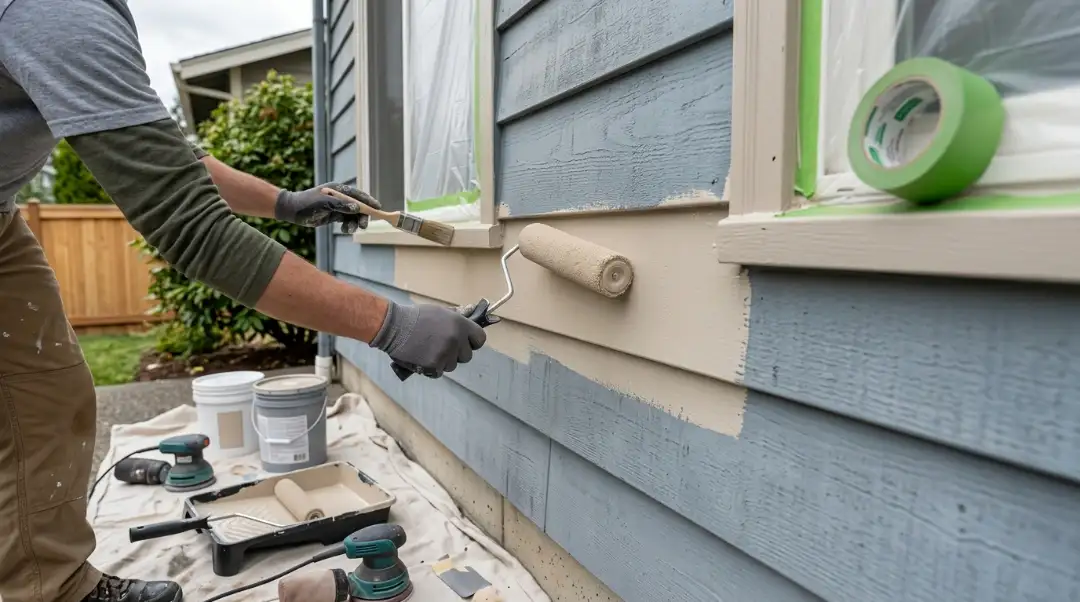
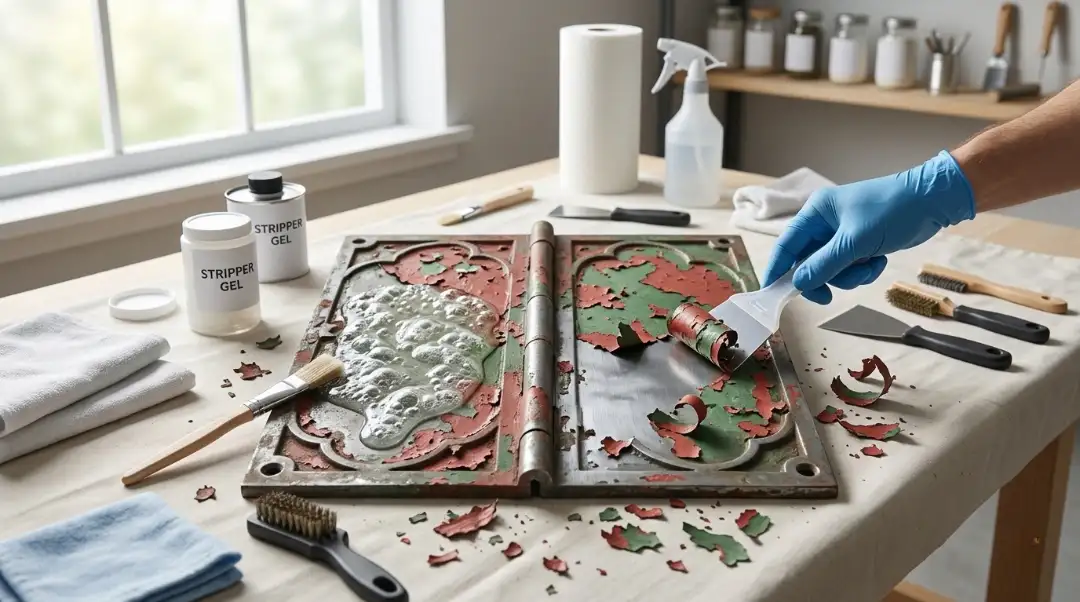
- Scraping and Sanding: Ensuring the surface is smooth.
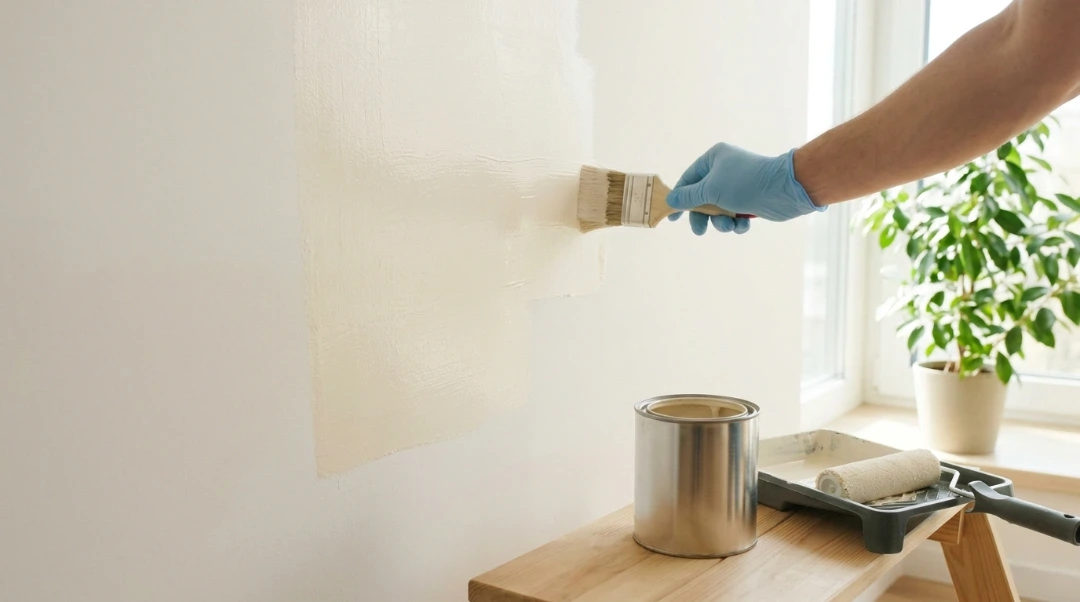
- Primer Application: Applying a high-quality primer application to ensure the topcoat bonds perfectly to the substrate.
3. Professional Application
Commercial painting contractors make sure that the finish is even and long-lasting by using innovative methods like airless spraying and HVLP (High Volume Low Pressure) equipment. This is where a professional painter’s skills really shine: they can make thousands of square feet seem the same with sharp lines.
4. Cleanup and Inspection
A skilled staff makes sure the location is clean when they leave. A final walkthrough is done to make sure that the work fulfills all safety and quality standards.
Applications of Commercial Painting
Commercial painting is used across a wide range of industries and property types. Here are some of the most common real-world applications.
Office Buildings
Clean, well-maintained interiors make a good impression on customers and make working conditions better for staff. Offices that get painted on a regular basis seem neat and contemporary.
Retail and Restaurant Spaces
Branding matters in retail. The right colors and finishes reinforce your brand identity and create an inviting atmosphere that keeps customers coming back.
Warehouses and Facilities
Clean, professional interiors make the workplace better for workers and make a positive impression on clients. Offices look modern and well-kept when they are painted regularly.
Healthcare and Educational Facilities
Hospitals, clinics, and schools need paint with low VOC levels and antimicrobial coatings that meet hygiene standards. There are also rigorous rules about what materials can be utilized in these places.
Selecting the Right Commercial Paint
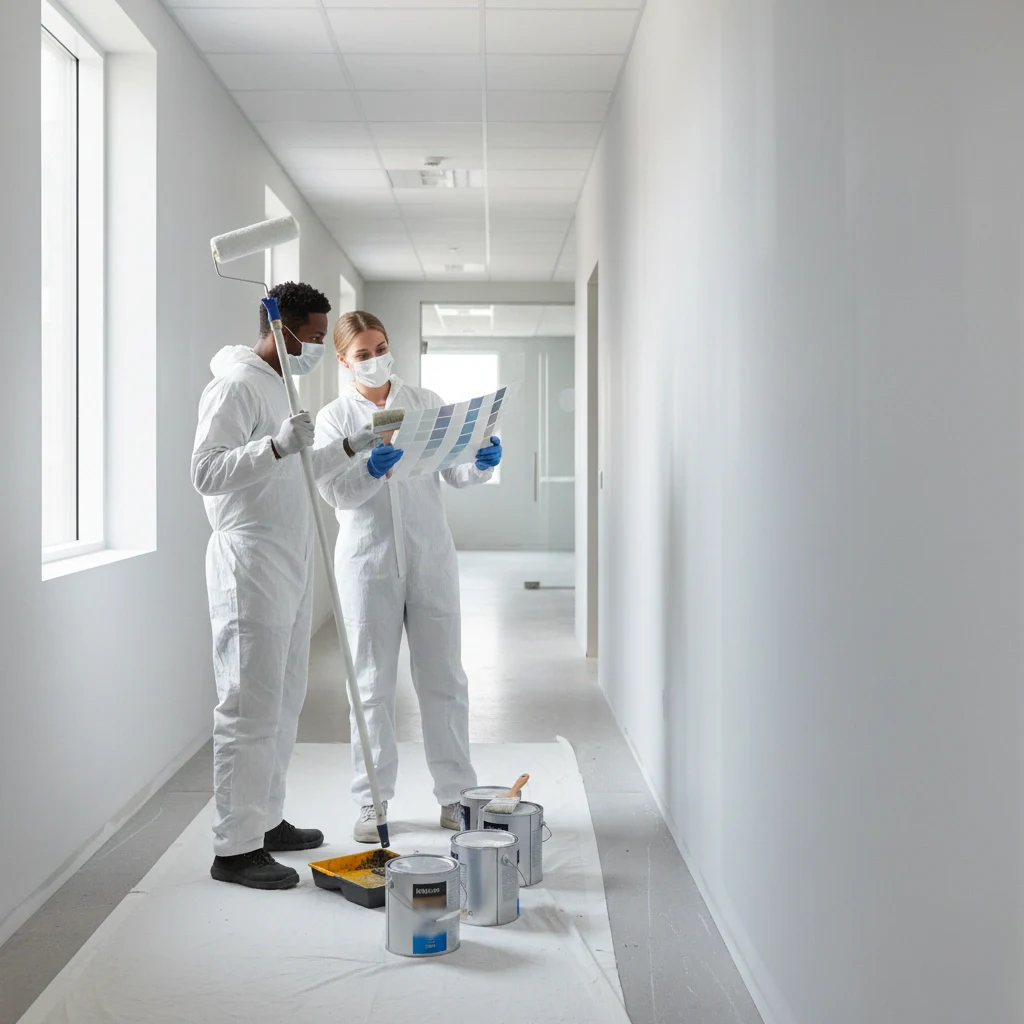
Not all paints are created equal, and choosing the wrong product can mean early failure, higher maintenance costs, and wasted money. Here is what to consider when selecting materials.
Durability and Sheen Level
Semi-gloss or gloss paint is ideal for hallways, lobbies, and restrooms because they get more traffic and are easier to clean and less likely to get scuffed. Eggshell or satin finishes can give private offices and other spaces with less traffic a softer, more polished look.
Low VOC and Environmental Compliance
Low-VOC paint is currently required in many states and cities, especially in public places like stores and restaurants. Volatile organic compounds, or VOCs, are substances that come out of paint and make the air within less healthy. Low VOC choices are better for the environment and safer for the people who live there.
How Much Does Commercial Painting Cost?
Cost is one of the most common questions business owners ask. The honest answer is that it depends on several factors specific to your project.
Key Cost Factors
More room equals more resources and work; square footage is the most obvious driver. The surface type, however, is equally important. Coating rough concrete or rusty metal requires more preparation and specific products than painting smooth drywall. Final cost is dependent on factors such as ceiling height, number of coats required, equipment needs, and after-hours scheduling.
How Much Does Commercial Painting Cost Per Square Foot?
Commercial painting costs between $1.50 and $4.50 per square foot for work done inside, and a little more for work done outside, depending on the condition and type of material. Jobs with a lot of moving parts, like painting the outside of a building with multiple stories or installing epoxy floors, might cost more. Always get at least three quotations, and make sure that each one includes the same amount of work so that you can compare them fairly.
For a more detailed pricing breakdown and comparison, check out our related article: Is Commercial Painting More Expensive Than Residential.
Benefits of Commercial Painting for Businesses
Investing in professional commercial building painting delivers real, measurable returns. Here is why it is worth doing right.
Better First Impressions: A structure that has been freshly painted and well-kept shows clients and visitors that you care about your business. Most owners don’t know that how something looks affects trust more than they think.
Increased Property Value: Well-maintained commercial properties appraise higher and attract better tenants if you lease space.
Improved Employee Morale: Research consistently shows that clean, attractive work environments improve productivity and job satisfaction over time.
Protection from the Elements: Exterior coatings protect your building from moisture, UV damage, and corrosion preventing costly structural repairs further down the road.
Regulatory Compliance: Regular painting and maintenance helps you stay current with local building codes and safety requirements that apply to your industry.
How Long Does Commercial Paint Last?
Most commercial interior paint in moderate-traffic areas will last about 5 to 7 years before it needs to be reapplied. As a result of everyday wear and tear, high-traffic areas, such as hallways and lobbies, may require repainting every three to five years. Climate, sun exposure, material quality, and application technique all affect how long exterior paint typically lasts, which can range from seven to ten years.
Increase the paint’s durability by priming and preparing the surface properly when you apply it initially. Improper preparation nearly always results in peeling and a reduced lifespan, which means you end up spending more money on repainting sooner than necessary.
Hiring a Professional Commercial Painter: What to Look For
Not every painting company is equipped to handle commercial work. Here is what separates a true professional from a general handyman with a roller.
Licensing and Insurance
Always verify that any contractor you hire holds a valid state contractor’s license and carries both general liability insurance and workers’ compensation coverage. This protects you if an accident or property damage occurs during the job.
Proven Commercial Experience
Ask about past commercial painting jobs that were similar in size and scope to yours. A contractor whose main job is residential can find it hard to handle the scheduling, equipment, and safety issues of a big commercial job.
Detailed Written Proposal
A good commercial painting contractor will give you a complete written proposal that includes the work to be done, the supplies to be used, the deadline, the payment structure, and the terms of the warranty. Stay away from people who provide you with a verbal quote or don’t give you clear information about their items.
How to Choose a Commercial Painting Contractor
Choosing the right contractor is one of the most important decisions in any painting project. Here is a practical checklist to guide you.
Before making a decision, get at least three comparative bids from certified contractors. Before you sign anything, be sure the company has the right licenses, insurance, and bonds. Be sure to ask them about their experience with commercial painting jobs like yours. Check the material specification sheet to make sure they are using the right and high-quality products. Check the calendar and make sure you know exactly how they plan to keep your business running smoothly. Lastly, obtain everything in writing, including the warranty terms and what will happen if problems come up after the work is done.
Inter Color Painting LLC’s Commercial Painting Services in Seattle WA, handle all of your business needs, from painting the inside of your office to coating your warehouse. They do it all with the professionalism and honesty that business clients expect.
Maintenance of Commercial Painting
A good paint job is an investment, and like any investment, it needs to be cared for to pay off in the long run.
Use mild soap and water to wash painted surfaces often to get rid of grime, grease, and buildup. Fix chips, cracks, and peeling right away so that water doesn’t seep beneath and cause worse problems with the structure. Every two to three years, hire a professional to touch up the paint in high-traffic areas. Keep track of the colors and products used so that future touch-ups match properly. Check the outside of your home twice a year, in the spring and fall, for signs of weather damage before it gets too bad and costs a lot to fix.
Conclusion
Business owners may safeguard their facilities, improve their brand image, and keep long-term maintenance expenses down by knowing what commercial painting is. Commercial painting is different from residential painting since it needs particular skills, long-lasting materials, and careful planning. If you want to update an office, protect a warehouse, or improve a retail area, hiring experienced professionals will make sure the work lasts and meets safety standards. If you’re going to paint a business and want professional help, contact Inter Color Painting LLC now for a full consultation and a quotation that fits your needs.
Frequently Asked Questions (FAQs)
What is commercial painting?
Commercial painting is the process of hiring professionals to paint and varnish the surfaces of buildings that aren’t homes, like offices, businesses, warehouses, schools, and hospitals. It needs particular knowledge, industrial-grade tools, and materials that work well in big, busy places.
What do commercial painters do?
Commercial painters get surfaces ready, put on primers and finish coats, and put on specific coatings like epoxy floor systems or anti-corrosion finishes on commercial buildings. They also take care of the project’s schedule, safety, and logistics on the site.
What is the difference between commercial and residential painting?
Commercial painting needs greater room, stronger supplies, stricter safety rules, and more complicated scheduling than residential painting. There are also big differences in the skills, tools, and goods used.
What is the difference between commercial and industrial painting?
Commercial painting covers business-use buildings like offices and retail spaces. Industrial painting covers manufacturing plants, refineries, and metal structures that require heavy-duty protective coatings designed to withstand extreme conditions.
How much does commercial painting cost?
Commercial painting typically costs between $1.50 and $4.50 per square foot for interiors, with costs varying based on surface type, coating complexity, and project scope. Always collect detailed written bids from multiple licensed contractors before deciding.
How long does commercial paint last?
Interior commercial paint lasts 5 to 7 years in moderate-traffic areas. Exterior paint lasts 7 to 10 years depending on climate and product quality. High-traffic zones may need touch-ups every 3 to 5 years to stay looking their best.