Paint is a common item in many homes, but have you ever found a can in your closet or garage and wondered, “Does paint expire?” Using paint that has gone bad can lead to streaky finishes, uneven color, or even wasted money. Understanding how long paint lasts, recognizing the signs of expired paint, and knowing how to store paint properly can save you time and frustration. In this guide, we’ll cover everything you need to know about paint longevity, including latex vs oil-based paint lifespan, paint storage tips, and simple tests like the paint smell test and paint consistency check. Whether you’re painting a single wall or renovating a whole room, this guide will help you get professional-quality results while making the most of your supplies.
Table of Contents
ToggleHow Long Does Paint Last?
When it comes to paint, knowing how long it lasts is essential. Paint doesn’t last forever, but its lifespan depends on the type of paint, how it was stored, and whether the can has been opened.
Latex Paint Longevity
Latex paint is water-based and widely used indoors. Unopened, it can last up to 10 years. Once opened, latex paint typically remains usable for 2–5 years, provided it’s stored properly. Factors like repeated opening, temperature fluctuations, and exposure to air can reduce its lifespan.
Oil-Based Paint Lifespan
Oil-based paints generally last longer. An unopened can may remain good for 15 years or more, and opened cans can last 5–10 years. Oil-based paints resist separation and mold better than latex paints but still require proper storage to maintain their quality.
Specialty Paints
Chalk, metallic, textured, or paint with additives may have shorter shelf lives. Always check the manufacturer’s recommendations to determine usability.
Factors Affecting Paint Longevity
Several conditions can impact paint shelf life:
- Temperature: Extreme heat or freezing can break down the paint’s binder.
- Air exposure: Frequent opening accelerates drying.
- Moisture: High humidity encourages mold growth.
- Container integrity: Dented or leaking cans spoil faster.
Understanding these factors helps ensure your paint remains usable for longer.
Signs Your Paint Has Gone Bad
Even if your paint hasn’t technically reached its “expiration date,” it might still be bad. Here are key expired paint signs to look for:
- Texture Changes: Good paint should be smooth. If your paint has lumps, chunks, or a rubbery texture, it’s no longer usable. Applying it may result in uneven surfaces.
- Smell Test: Fresh paint has a mild smell. Spoiled paint may have a sour or pungent odor, particularly water-based latex paint. If the smell is strong or off-putting, don’t use it.
- Separation That Won’t Mix: Some separation is normal, as heavier parts sink to the bottom. But if repeated stirring doesn’t blend the paint back together, it’s expired.
- Mold or Mildew in Paint: Any visible mold or mildew floating on top is a clear sign the paint should be discarded.
Recognizing these signs early can save you time and money while ensuring your painting projects look professional.
How to Tell If Your Paint Has Expired
Determining whether paint is still good requires a few simple checks.
Stir and Observe
Use a clean stir stick to mix the paint. Watch for chunks or films that don’t dissolve. This indicates the paint has broken down.
Test on a Small Surface
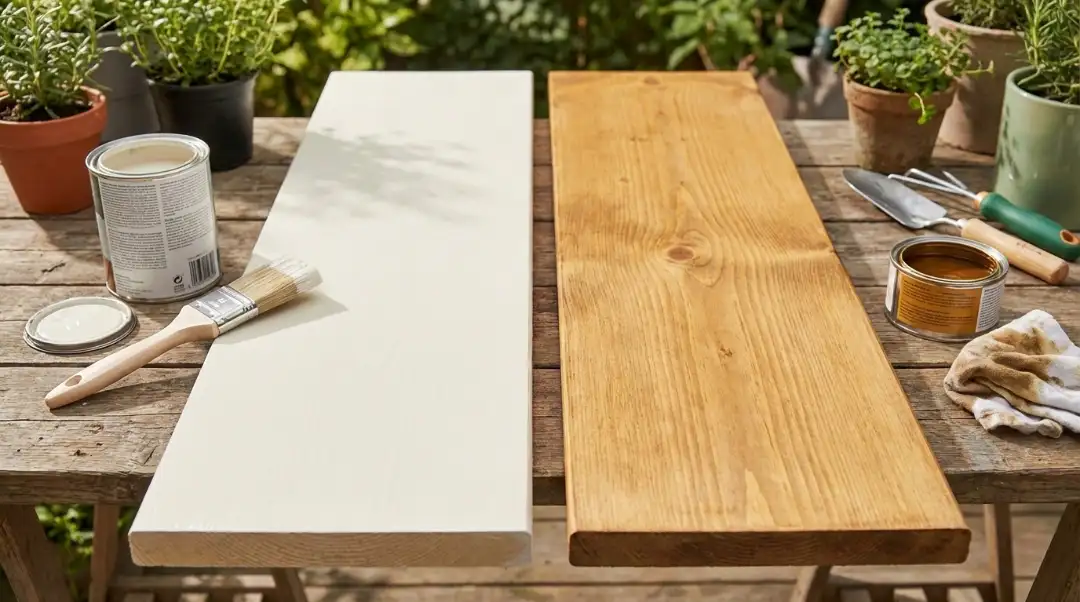
Pour a small amount on cardboard or scrap wood. If it dries streaky, uneven, or clumpy, it’s expired and should not be used.
Smell and Color Check
If the paint has an off-color or sour smell, it’s likely unusable. Paint that smells fresh and mixes smoothly is usually still good.
Using the Paint Consistency Check
Check the viscosity of the paint. If it’s too thick or too watery, the chemical composition has likely degraded.
By performing these tests, you can confidently determine whether old paint is safe to use.
What Happens If You Use Expired Paint
Using paint that has gone bad may seem harmless, but it often causes problems.
Poor Coverage
Expired paint doesn’t spread evenly, meaning you’ll need more coats than usual. This leads to streaky or patchy results.
Weak Adhesion
Old paint may peel, flake, or chip sooner than fresh paint, reducing the durability of your work.
Uneven Texture
Paint that is past its prime may dry bumpy, streaky, or rough, especially high-gloss finishes.
Wasted Time and Money
Using expired paint might save money initially, but repainting due to poor coverage or adhesion ends up costing more.
Knowing the consequences of using expired paint helps homeowners make smarter decisions about when to keep or replace old cans.
Can You Revive Old Paint?
Sometimes, old paint can be brought back to life, but only if it hasn’t gone completely bad.
Stir and Mix
Most separation issues can be fixed by thorough stirring. Scrape the sides and bottom of the can for best results.
Strain the Paint
If small clumps remain, strain the paint through a mesh filter into a clean container. This removes debris and hardened bits.
Test Before Full Use
Always apply a small amount to cardboard or a scrap surface. If the finish is smooth and color is even, the paint can be used.
When Not to Revive
Paint with mold, strong odor, or large chunks should be discarded. Reviving it rarely works and may lead to poor results.
By carefully testing and occasionally reviving older paint, you can save a few cans while ensuring your project looks professional.
How to Store Paint to Make It Last Longer
Proper storage is the key to extending paint life and avoiding wasted product.
- Keep Cans Sealed Tight:Use a rubber mallet or wooden block to create a firm seal. Air exposure dries paint and reduces usability.
- Store Upright in a Cool, Dry Place: Avoid garages or attics with extreme temperatures. Paint stores best in a stable, cool environment.
- Avoid Moisture: High humidity encourages mold growth, which ruins paint.
- Label Your Paint: Include the purchase date and the room painted. This makes it easier to track age and usability.
- Use Plastic Wrap for Extra Protection: Placing a layer of plastic wrap under the lid minimizes air exposure and helps keep paint fresh.
Common Mistakes When Storing Paint
Even with careful storage, mistakes can shorten paint life:
- Storing Paint on Its Side – Can cause leaks and break the lid seal. Always store upright.
- Exposing Paint to Temperature Swings – Heat and freezing damages the binder.
- Not Cleaning the Rim Before Sealing – Residue prevents a tight seal, allowing air in.
- Reusing Dirty Stir Sticks or Containers – Debris or old paint contaminates fresh paint.
- Ignoring Expiration Signs – Old cans may look fine, but chemical breakdown reduces quality.
Avoiding these mistakes helps maximize paint longevity and ensures professional results.
Conclusion
Paint does expire, but with proper care, you can extend its life and avoid wasted products. Understanding paint longevity, recognizing expired paint signs, and following proper paint storage tips ensures your next painting project looks flawless. Whether you’re using latex or oil-based paint, performing simple checks like the paint consistency check and paint smell test will help you determine if old paint is usable.
For expert guidance or professional services, the team at Inter Color Painting LLC is ready to help. You can also Contact Us to get advice on paint selection, storage, or any upcoming project. With the right knowledge and preparation, your paint will last longer and deliver better results every time.
FAQs
What happens if we use expired paint?
Using expired paint can lead to poor coverage, streaks, weak adhesion, and peeling. It may dry unevenly or flake, ruining your finish. Paint with mold, bad odor, or clumps should never be used. Always test small areas first or replace old cans to ensure quality results.
How do you know if paint is expired?
Check paint for clumps, separation that won’t mix, mold, off-color, or sour odor. Stir the paint and perform a small patch test. If the texture, smell, or consistency seems off, it has likely expired. Proper storage can extend usability, but testing before use is essential.
Is 7-year-old paint still good?
It depends on the type and storage: latex paint may be unusable after 2–5 years opened, but oil-based paint can last 5–10 years opened. Stir, check consistency, smell, and test a small patch. If it applies smoothly and evenly, 7-year-old paint may still be usable.
What are common signs of bad paint?
Common signs include lumps or clumps, sour odor, separation that won’t mix, mold or mildew, and color changes. If any of these appear, the paint is likely expired and should not be used. Conduct a small test before applying.
How to test if paint is still good?
Stir thoroughly, check for clumps or separation, perform a test patch on cardboard or scrap wood, smell for unusual odors, and observe drying. Smooth texture, consistent color, and normal scent indicate the paint is still usable.