When you’re planning a paint job, most people think about color, coverage, and cost. But there’s one detail that often gets overlooked: how much does a gallon of paint weigh. Knowing the weight matters if you’re lifting heavy cans, carrying them up stairs, or shipping paint to a job site. It also helps you plan for safety, especially if you’re moving several gallons at once.
In this guide, we’ll break down paint weight in an easy-to-understand way, explain why it varies, and show how to convert gallons to pounds.
Table of Contents
ToggleWhat Does a Gallon of Paint Weigh?
A standard US gallon of paint weighs between 10 and 12 pounds (4.5 to 5.4 kg). The average weight of paint is typically cited as 11 pounds per gallon. This is significantly heavier than a gallon of water, which weighs exactly 8.34 pounds.
When we talk about the US Gallon of Paint Weigh, we are referring to a volume of 3.78 liters. However, the Average Gallon of Paint Weigh changes based on the “solids” inside the can. Paint is a mixture of pigments, binders, and solvents. High-quality paints often have a higher density of paint because they contain more pigments like titanium dioxide, which is quite heavy.
When we talk about the paint weight per gallon, we are looking at the sum of its parts. High-quality paints usually have a higher density of paint because they contain more “solids” the stuff that actually stays on your wall after the liquid dries. If a can feels unusually light, it might be a sign that it has more water and fewer of the high-quality ingredients that provide great coverage.
Weight by Paint Type
The type of paint weight can vary quite a bit depending on what the paint is designed to do. Since different projects require different chemicals, the weight on the scale will change based on the base of the paint.
Latex and Acrylic Paints
These are the most common paints used for home interiors today. They are water-based, which makes them easier to clean up.
- Average Weight: 11 to 12 pounds per gallon.
- The Reason: They contain acrylic resins and heavy white pigments like titanium dioxide. These ingredients are much heavier than the water they are mixed into.
Oil-Based Paints
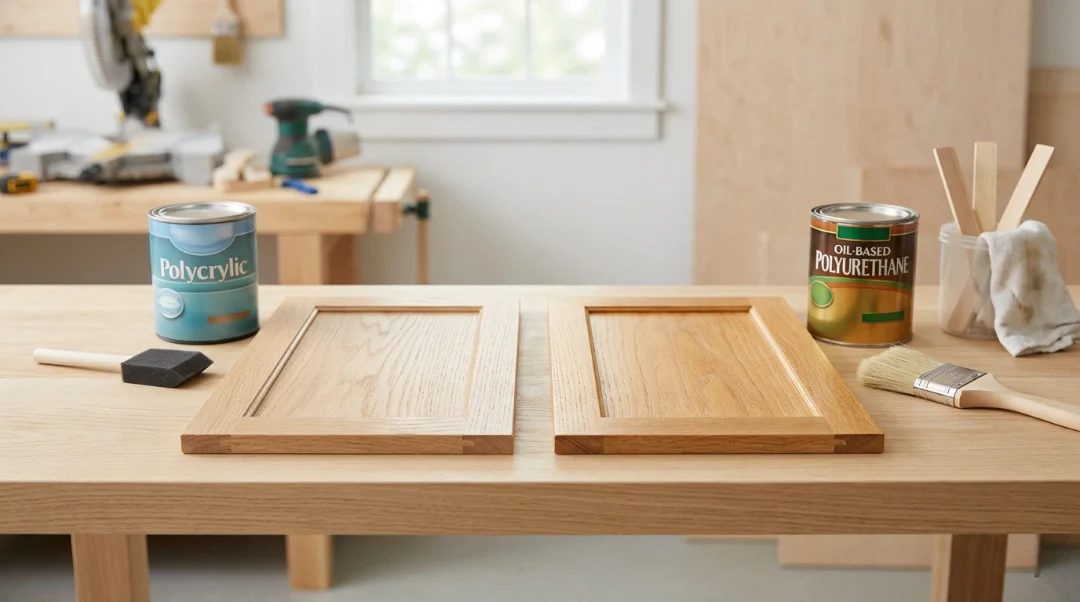
Many people think oil-based paint would be heavier because it feels “thicker,” but science tells a different story. Oil is actually less dense than water.
- Average Weight: 10 to 11 pounds per gallon.
- The Reason: Even though the oil itself is lighter than water, these paints often have a very high concentration of mineral fillers to help them cover surfaces in one coat.
Specialty and Industrial Coatings
If you are working on a garage floor or a waterproof basement, you might use an Elastomeric or Epoxy paint.
- Average Weight: 12 to 13+ pounds per gallon.
- The Reason: These are designed to be “high-build,” meaning they leave a very thick layer behind. More “stuff” in the can equals more weight on the scale.
Factors That Affect Paint Weight
Why is it that two cans of the same brand might weigh differently? Several paint weight factors change the density of the liquid inside.
Paint Composition: Pigments, Binders, and Solvents
Every gallon is a recipe. The paint composition is the biggest factor.
- Pigments: These provide the color. White and light-colored paints use minerals that are very heavy.
- Binders: This is the “glue” that holds the color to the wall.
- Solvents: This is the liquid carrier (water or oil).
The Impact of Color
Believe it or not, color matters! A gallon of “Bright White” paint often weighs more than a gallon of “Deep Black.” This is because the paint ingredient impact on weight is tied to the minerals used. White paint requires a lot of titanium dioxide, which is very heavy. Darker colors use carbon-based pigments that are much lighter.
Interior vs. Exterior Paint Weight
When comparing interior vs exterior paint weight, exterior paints often come out as the heavyweights. They include extra additives to protect your home from UV rays, mold, and rain. These protective chemicals increase the overall mass of the liquid.
Read More: How Much Does a Gallon of Paint Cover?
How to Convert Gallons to Pounds
If you are a professional contractor or someone planning a large renovation, you might need to do some math. Knowing the gallons to pounds conversion is essential for figuring out if you are overloading a shelf or a vehicle.
To get a quick estimate, you can use the “11-Pound Rule”:
- 1 Gallon = 11 lbs
- 2 Gallons = 22 lbs
- 5-Gallon Bucket = 55 lbs (Plus the weight of the plastic bucket!)
For a more technical approach, pros look at the Safety Data Sheet (SDS). This sheet lists the “Specific Gravity.” If you multiply the Specific Gravity by 8.34, you will get the exact weight of that specific brand.
If all this math makes your head spin, don’t worry! You don’t have to do it alone. At Inter Color Painting LLC, we handle all the technical details so you don’t have to. If you are ready to start your project without the stress of logistics, feel free to Contact Us for a professional consultation.
Final Thoughts
At the end of the day, knowing how much does a gallon of paint weigh helps you understand the quality of what you are buying. Weight is often a sign of “solids,” and more solids mean a better, longer-lasting paint job. Whether you are carrying a single can or a dozen 5-gallon buckets, being prepared for the weight will save your back and your project.
If you need help planning a painting project, estimating materials, or handling heavy paint safely, Inter Color Painting LLC is here to help. For professional guidance and services, feel free to Contact Us and we’ll assist you with your project.
FAQs
How much does a 5 gallon paint bucket weigh?
A 5 gallon paint bucket weighs about 50 to 60 pounds. Most paints weigh around 10–12 pounds per gallon, so the total weight depends on the paint type.
How much does 1 gallon of paint thinner weigh?
One gallon of paint thinner weighs about 6 to 7 pounds. It is lighter than paint because it does not contain pigments or binders.
Does paint weigh less after it dries?
Yes, paint weighs less after it dries. As paint dries, the water or solvents evaporate, leaving only the solid materials on the surface.
Why do painters add water to paint?
Painters add water to paint to improve flow and make application smoother. A small amount helps paint spread evenly, but too much water can weaken the finish.