Cleaning your home is a big job, but cleaning flat paint walls is a whole different story. Flat paint looks beautiful because it is smooth and does not shine. However, this matte finish is also very delicate and porous. If you scrub too hard, you might ruin the look of your room forever. Many homeowners feel scared when they see a scuff mark on a flat wall. They worry that wiping it will leave a permanent shiny spot.
At Inter Color Painting LLC, we know that keeping your walls fresh is part of loving your home. This guide will teach you exactly how to clean flat paint walls without causing any damage. We will share professional secrets to keep your matte surfaces looking like they were just painted yesterday.
Table of Contents
ToggleHow to Determine if You Have Flat Finish Walls
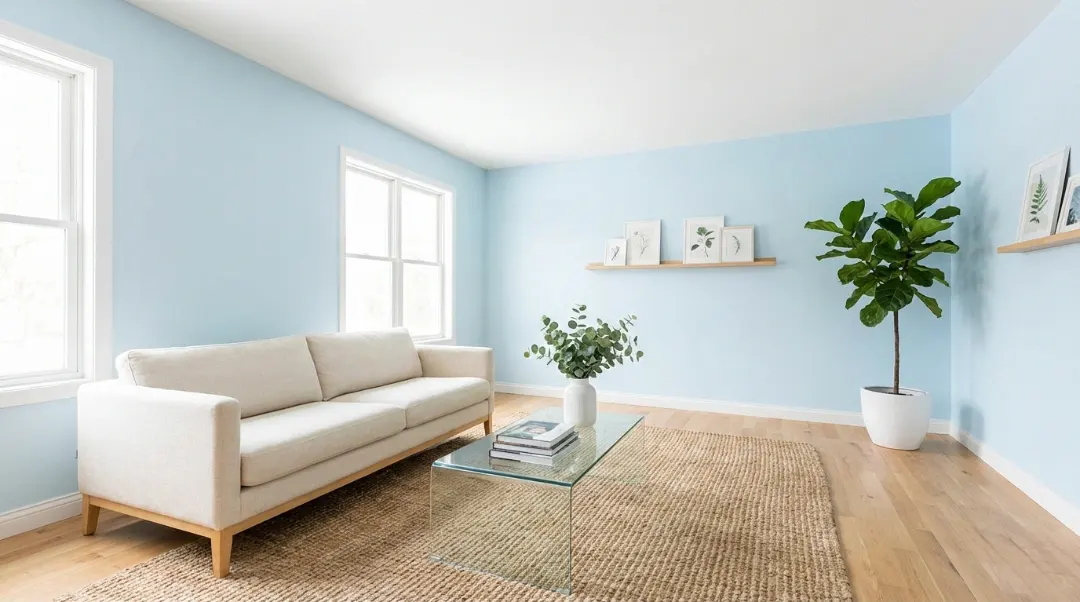
Before you grab a bucket of water, you need to be sure about your paint type. Knowing the difference between flat and other finishes like eggshell or semi-gloss is the first step in cleaning flat paint walls. Flat paint is often used on ceilings or in low-traffic areas like formal dining rooms. It is famous for hiding bumps and cracks in the drywall because it does not reflect light. However, this same quality makes flat paint cleaning tips different from those for shiny paints.
To test your finish, you can use the “Flashlight Test.” Turn off the main lights in the room and hold a flashlight flat against the wall. Shine the light across the surface from the side. If the light disappears into the paint and you see no reflection, you have a flat or matte finish. If you see a slight glow or a soft reflection, you might have eggshell paint. If the wall looks like a mirror and shows a bright glare, it is likely semi-gloss or gloss. Flat paint feels a bit chalky or rough to the touch compared to the slick feel of a kitchen cabinet.
Another way to tell is by looking at the wall from a sharp angle. Stand near the corner of the room and look toward the window. If the wall stays dull and dark even where the sun hits it, it is definitely flat. This “non-reflective” property comes from the high amount of pigment and low amount of resin in the paint. Because there is less resin to protect the pigment, the surface is more open to the air. This is why you must use gentle wall cleaning solutions. If you treat flat paint like it is a shiny kitchen wall, you will rub away the pigment, leaving a “burnished” or shiny spot that cannot be fixed with a cloth.
Getting Started — Gather Your Cleaning Supplies
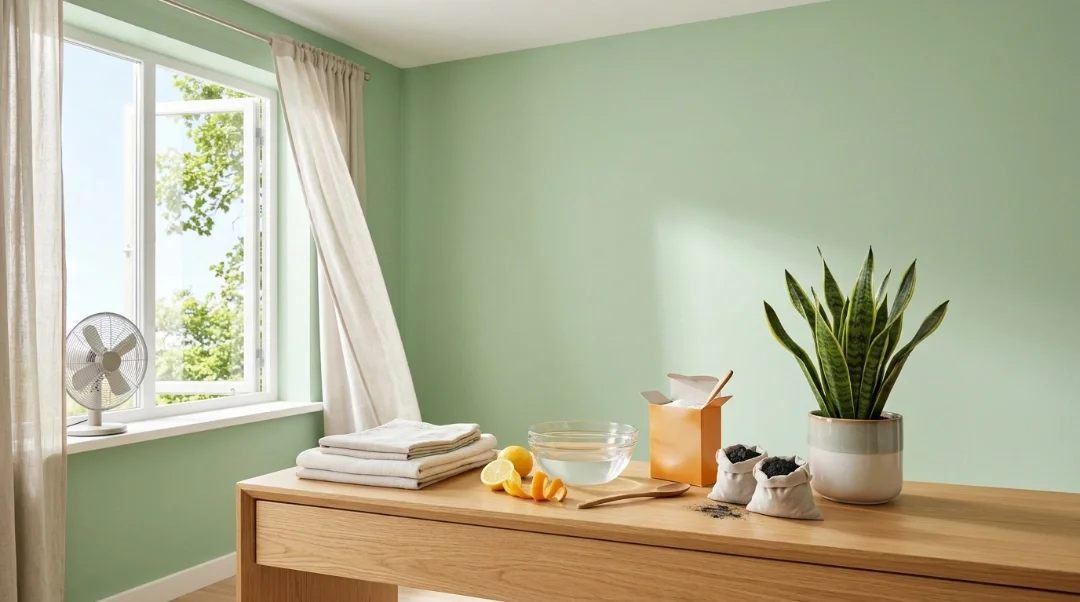
Success starts with having the right cleaning supplies for walls. You cannot just use any old rag or a harsh chemical from under the sink. Because flat paint is so porous, it can soak up liquids and chemicals, which leads to staining. To clean flat paint walls safely, you need tools that are soft and non-abrasive.
First, you will need two large buckets. One bucket will hold your cleaning solution, and the other will hold clean, warm water for rinsing. Using two buckets prevents you from putting dirty water back onto your clean walls. For your cleaning cloths, only use white microfiber towels or soft sponges. Colored rags can sometimes bleed dye onto your light-colored walls, creating a mess that is even harder to fix.
The most important supply is a high-quality, mild dish soap. Something like Dawn is perfect because it breaks down oils without being too acidic or basic. You should also have white vinegar and baking soda on hand for tougher spots. Avoid “heavy-duty” cleaners, bleach, or anything with grit. These will act like sandpaper on your matte finish.
Here is a quick checklist of everything you should have ready:
- Two clean plastic buckets.
- Mild, clear dish soap.
- White distilled vinegar.
- Baking soda.
- Soft, white microfiber cloths.
- A vacuum with a soft brush attachment.
- A sturdy step ladder.
- Clean, lint-free towels for drying.
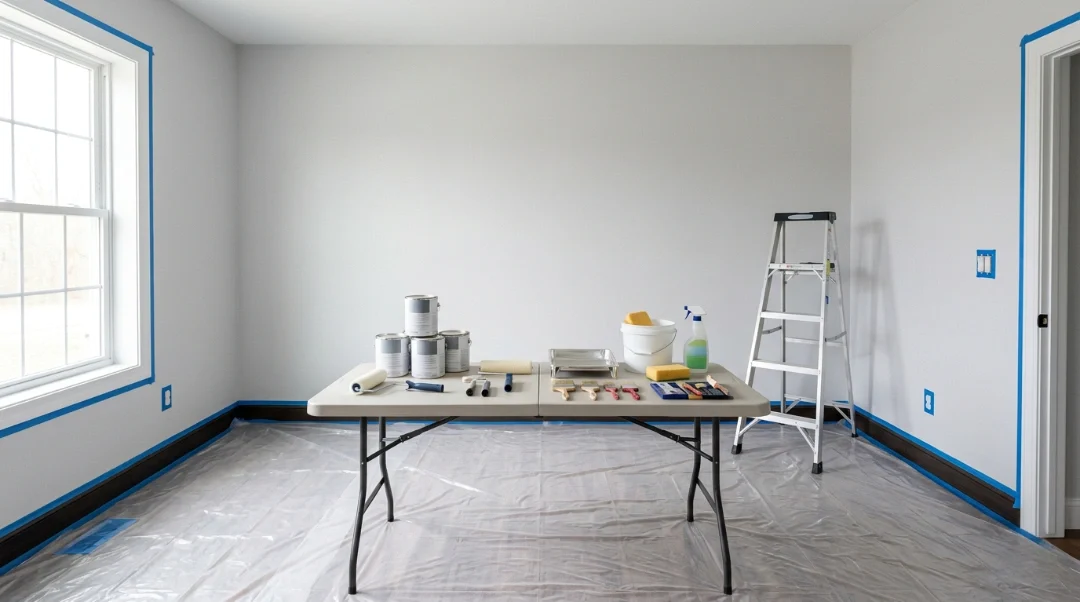
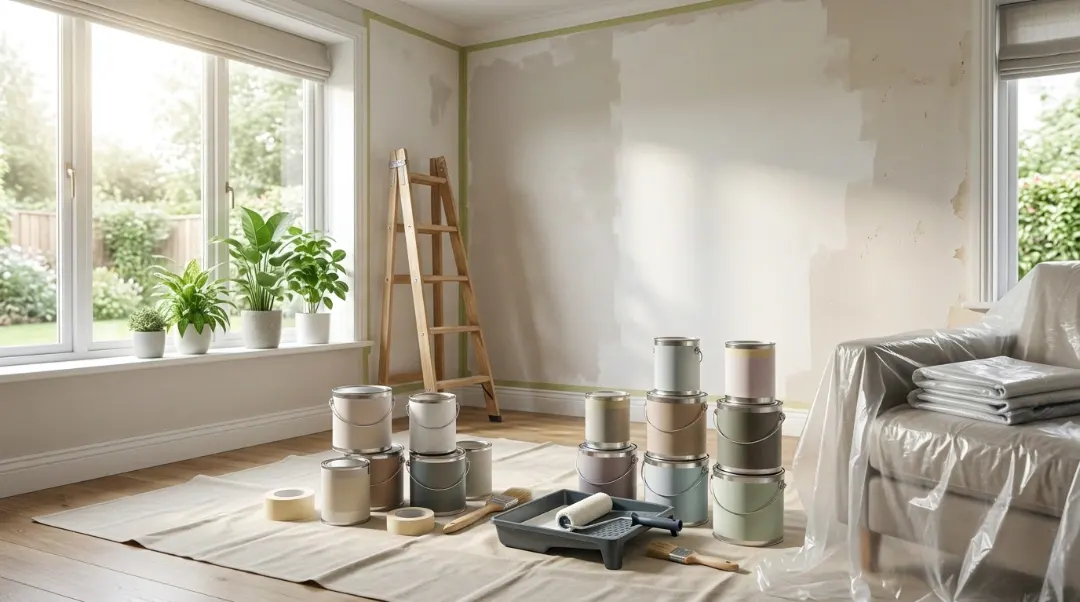
Setting up your station correctly will save you time and prevent accidents. Lay down a drop cloth or old towels on the floor to catch any drips. Even though you are using gentle wall cleaning solutions, you don’t want soapy water sitting on your hardwood or carpet. By being prepared, you ensure the best cleaning method for flat paint is followed from start to finish. This level of care is exactly what Inter Color Painting LLC recommends for every homeowner.
Clean Flat Paint Walls
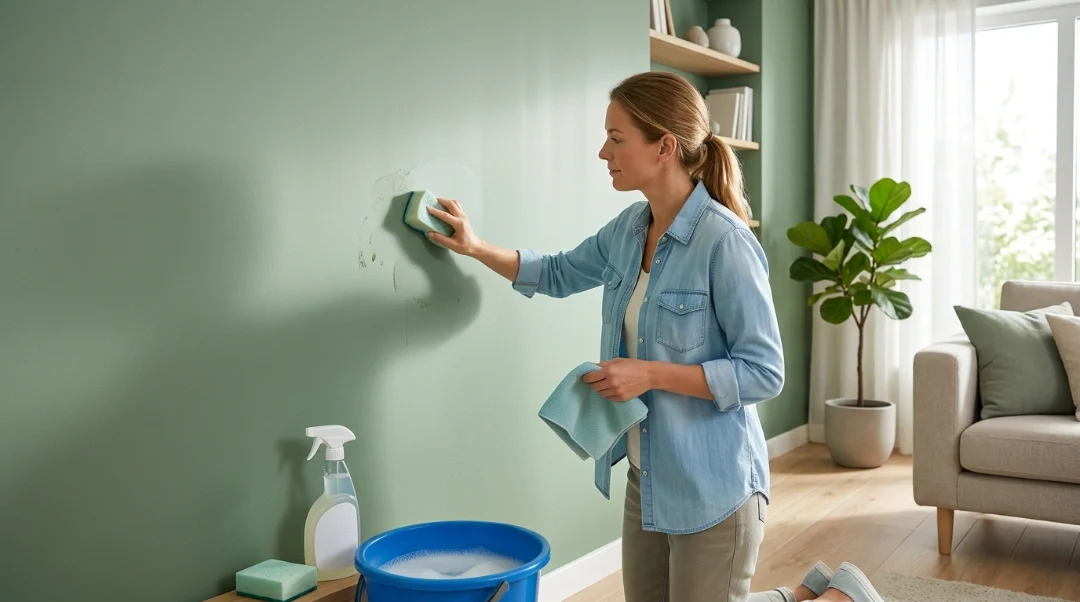
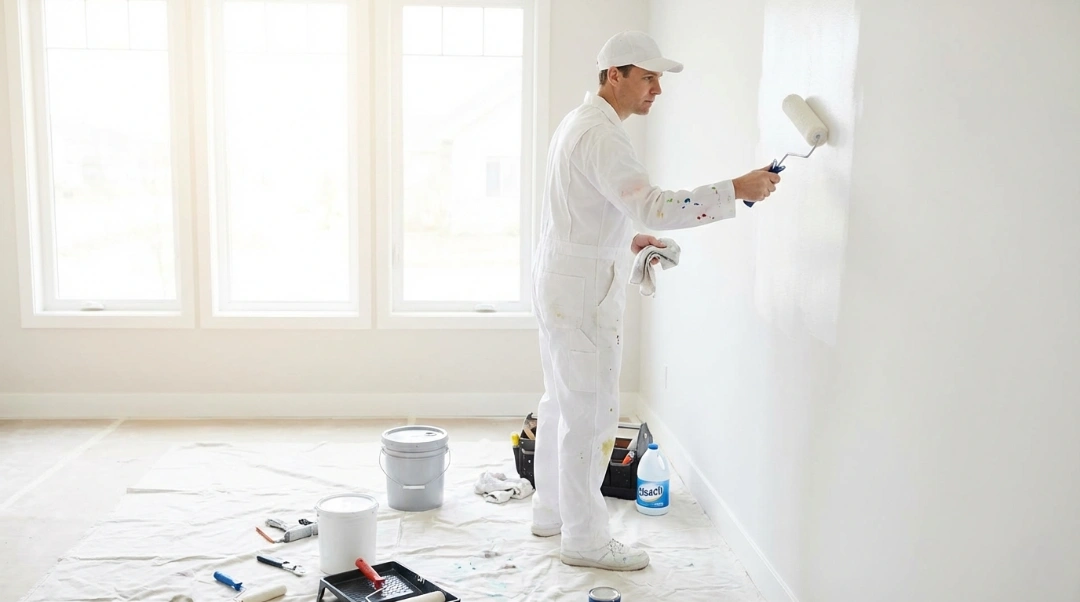
When you are ready to clean flat paint walls, you must change your mindset. This is not like scrubbing a floor. You are “lifting” dirt, not “grinding” it out. The golden rule is to use the least amount of moisture and the least amount of pressure possible. Many people make the mistake of soaking the wall, but flat paint can actually “bubble” or peel if it gets too wet for too long.
Start by asking yourself: how do you wash walls painted with flat paint without making them look patchy? The answer is to work in small sections. Focus on one square foot at a time. This allows you to control how much water stays on the wall and ensures you can dry it quickly. If you try to do the whole wall at once, the soap might dry on the surface, leaving behind a dull film or streaks that are very hard to remove.
Before any water touches the paint, you must dust flat paint walls. This is a step most people skip, but it is the most important. If you apply water to a dusty wall, you will create “mud” that gets pushed into the pores of the paint. Use your vacuum’s soft brush attachment to gently sweep the wall from top to bottom. Pay extra attention to the corners where cobwebs hide. If you don’t have a vacuum, a clean, dry microfiber cloth works wonders.
Finally, always perform a “spot test.” Find a hidden area, like behind a door or a piece of furniture, and try your cleaning method there first. Let it dry completely and look at it from different angles with a flashlight. If the paint looks the same as the rest of the wall, you are safe to move forward. This careful approach is why experts often outrank generic advice on Google. Real-world experience keeps your home safe.
Step-by-Step Cleaning Process
Now that you are prepared, follow this step-by-step cleaning process to ensure your walls stay beautiful. This method is designed to be the how to wash painted walls with flat paint masterclass.
Step 1: The Deep Dusting
As mentioned before, you must start with a dry wall. Use your soft brush vacuum or a microfiber duster. Start at the ceiling and work your way down to the baseboards. This prevents dust from falling onto areas you have already cleaned. If you see spider webs, don’t wipe them; lift them away so they don’t smear.
Step 2: Mixing Your Solution
Fill your first bucket with one gallon of warm (not hot) water. Add just two or three drops of mild dish soap. You should see a few bubbles, but it shouldn’t be a mountain of foam. If you want a bit more cleaning power, add half a cup of white vinegar. This helps kill any tiny mold spores and cuts through light grease. Fill the second bucket with just plain warm water.
Step 3: The Wringing Technique
Dip your white cloth or sponge into the soapy water. Now, wring it out until it is barely damp. If you can squeeze a drop of water out of it, it is too wet! You want just enough moisture to attract dirt.
Step 4: The Gentle Wipe
Wipe the wall using a light, circular motion. Do not press hard. Imagine you are wiping a baby’s face. If the dirt doesn’t come off in three or four wipes, stop. Don’t keep scrubbing the same spot, or you will create a shiny mark called “burnishing.”
Step 5: The Rinse
Immediately take a fresh cloth and dip it in the clean water bucket. Again, wring it out until it is almost dry. Wipe the area you just cleaned to remove any soap residue. Soap left on the wall will attract more dust later, making your hard work useless.
Step 6: The Immediate Dry
Take a dry, lint-free towel and pat the area dry. Do not rub. Simply press the towel against the wall to soak up any remaining moisture. This prevents water spots and streaks.
Following these steps exactly is the best cleaning method for flat paint. It might feel slow, but it is much faster than having to repaint the whole room because you were too aggressive. If you find the process overwhelming, don’t hesitate to Contact Us for professional help or advice.
Stain-Specific Solutions
Sometimes a general cleaning isn’t enough. You might have a specific mess like a crayon mark or a greasy fingerprint. For these, you need safe stain removal for matte walls. Dealing with different types of marks requires different “weapons” from your cleaning kit.
For removing scuff marks from flat paint, start with a dry microfiber cloth. Sometimes the friction of the cloth alone is enough to lift the rubber or dirt. If that fails, try a small amount of baking soda on a damp cloth. Baking soda is a very gentle abrasive. Rub it very softly over the scuff, then rinse immediately. Many people ask about “magic erasers.” While they are great for semi-gloss, be very careful with them on flat paint. They are actually a type of very fine sandpaper. Use them only as a last resort and with the lightest touch possible.
If you have grease stains common near light switches or in kitchens the vinegar and soap mix is your best friend. Grease is an oil, and soap is designed to break oil down. Let the damp, soapy cloth sit against the grease spot for 30 seconds to “soften” the oil before you wipe. This prevents you from having to scrub hard.
For pencil or ink marks, try a standard white art eraser first. A clean eraser can often lift lead or ink without any water at all. If the mark is still there, make a paste of baking soda and water. Apply the paste, let it sit for a minute, and gently wipe it away.
Prevention and Maintenance
The best way to clean flat paint walls is to make sure they don’t get dirty in the first place! Prevention saves you hours of work and keeps your home looking fresh. Start by making sure your home has good airflow. Use fans in the kitchen and bathroom to prevent moisture and grease from settling on the walls.
Another great tip is to use furniture bumpers. Small adhesive pads on the back of chairs or sofas prevent them from hitting the wall and leaving those annoying black scuff marks. If you have kids or pets, consider using a clear matte sealer in high-traffic hallways. These sealers are invisible but add a layer of protection that makes cleaning flat paint walls much easier.
Regular dusting is the secret to a long-lasting paint job. If you dust flat paint walls every two weeks, you prevent the “grime layer” from forming. A quick pass with a duster takes five minutes but can delay a full washing for years. When you do notice a small smudge, fix it immediately. The longer a stain sits, the more it “bonds” with the porous flat paint.
When to Repaint Instead of Clean
Sometimes cleaning is not enough. Flat paint walls can become stained, faded, or damaged over time. When this happens, repainting may be the best solution.
Signs You Should Repaint
- Paint color fades or changes
- Paint looks patchy after cleaning
- Paint rubs off when you wipe
- Stains are deep and won’t lift
- The wall has water stains or mol
Flat paint is more sensitive than semi-gloss paint. It is more likely to absorb stains and become damaged. If you clean too often or too hard, the paint may fade or rub off. In those cases, repainting is a better option.
Flat Paint vs Semi-Gloss Cleaning Difficulty
Flat paint is easier to damage because it is softer and more porous. Semi-gloss paint is more durable and easier to clean. If you want walls that are easier to maintain, you may consider using semi-gloss or satin paint next time you repaint.
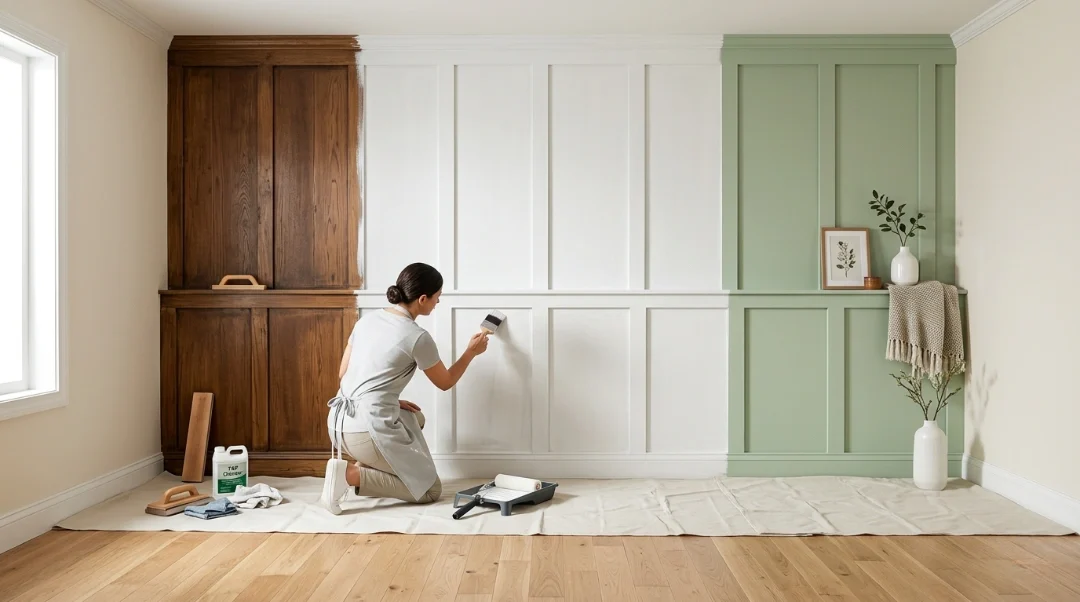
When to Repaint Flat Paint Walls
Repainting is best when:
- You have many stains
- The paint has worn away
- You want a fresh look
- You want a more washable finish
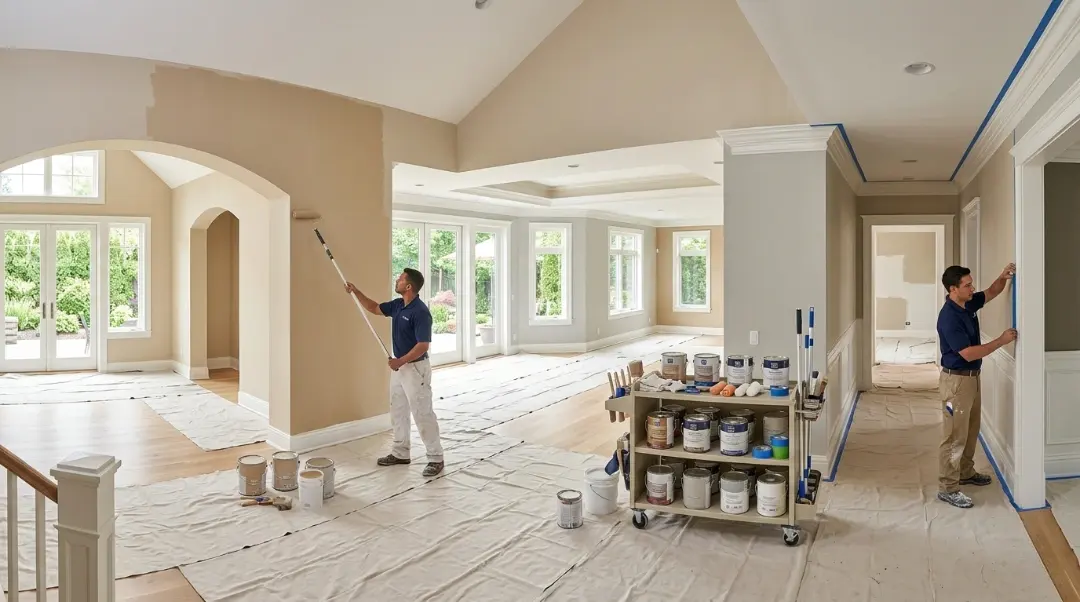
If your flat paint walls are too stained or damaged, it may be time to repaint. For professional help or advice, you can Contact Us for a consultation and repainting options.
Final Thoughts
Cleaning flat paint walls is easier than many people think, as long as you use gentle methods and the right tools. Start by dusting the walls, then clean with a mild soap and warm water solution. For stains, use specific solutions like baking soda paste for tough marks or a soft eraser sponge for crayon and scuffs. Always test in a hidden area first to avoid damage. Flat paint is more delicate than semi-gloss, so avoid harsh scrubbing or strong chemicals. If stains are deep or the paint is worn, repainting may be the better option. For professional help or repainting advice, Inter Color Painting LLC can assist simply Contact Us.
FAQs
How to wash flat paint walls?
Use a soft cloth and warm water with mild dish soap. Dust the wall first, then wipe gently in small sections. Rinse with clean water and dry with a towel. Avoid scrubbing too hard or using harsh cleaners.
Does flat paint need special cleaning?
Yes. Flat paint is more porous and can fade or rub off if cleaned with strong chemicals or rough scrubbing. Use gentle cleaning methods and mild solutions.
Can flat paint be washable?
Yes, but it depends on the paint quality. Some modern flat paints are formulated to be washable. Always check the paint label and test a small area first.
Why do painters use flat paint?
Painters use flat paint because it hides wall imperfections and creates a smooth, matte finish. It also looks elegant in living rooms, bedrooms, and ceilings.
What are the downsides of flat paint?
Flat paint can:
- Show stains and marks more easily
- Be harder to clean
- Fade or rub off if scrubbed too hard
- Not handle moisture well
Why do builders only use flat paint?
Builders often use flat paint because it’s cheaper and covers imperfections well. It also looks clean and smooth on large surfaces like walls and ceilings.