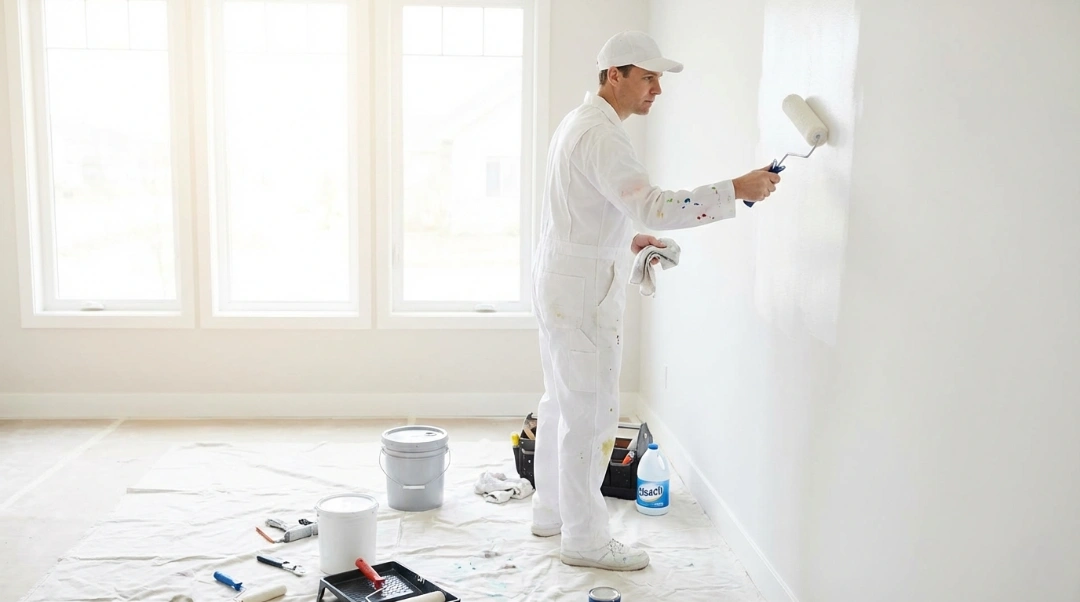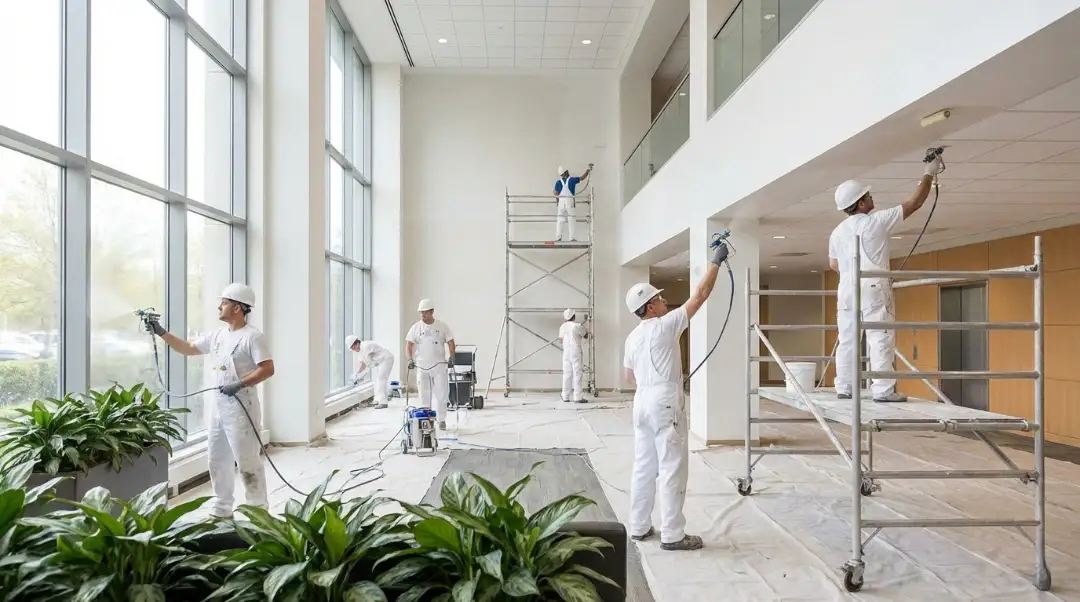
If you have ever found a dark, fuzzy patch on your bathroom ceiling or a green stain behind your couch, your first thought was probably: “I’ll just paint over it.” It seems like the easiest fix, right? You grab a brush, a can of white paint, and five minutes later, the problem is gone.
But wait! Before you open that paint can, there is something you need to know. At Inter Color Painting LLC, we have seen thousands of walls, and we can tell you from experience: painting over mold is one of the biggest mistakes a homeowner can make.
In this guide, we’re going to dive deep into the science of mold. We will explain why that “quick fix” often leads to expensive repairs and health risks. Most importantly, we will show you how to treat mold on walls the right way so it never comes back.
Table of Contents
ToggleWhy You Shouldn’t Paint Over Mold
The simplest answer to “Can you paint over mold?” is technically yes you can physically do it but you absolutely should not.
Think of mold like a weed in your garden. If you just put a piece of cardboard over the weed, is it dead? No. It’s just growing in the dark. Mold is a living organism. It doesn’t need sunlight; it needs food and water.
Why Paint Doesn’t Work
When you practice covering mold with paint, you are actually providing the mold with a new snack. Standard latex paint contains organic compounds that mold loves to eat. By trapping the mold under a layer of paint, you are creating a “mold sandwich.” The wall provides the base, the mold stays in the middle, and the wet paint provides a fresh moisture source and food.
The Problem with Black Mold
If you are dealing with painting over black mold, the stakes are even higher. Black mold (often called Stachybotrys chartarum) can release mold spores and mycotoxins into your home. Covering it doesn’t stop these spores from existing; it just hides the colony while it eats into your drywall.
What Happens If You Paint Over Mold?
If you ignore the warnings and decide to move forward with painting over mold, you can expect a few “nasty surprises” within weeks or months.
1. Mold Regrowth Under Paint
Mold can grow under the paint, causing the paint to bubble, peel, or crack. This is called mold regrowth under paint. It happens because mold continues to spread under the paint layer.
2. The Mold Can Spread
When mold grows behind paint, it can spread to other areas. This is especially true in damp rooms like bathrooms, basements, or kitchens.
3. The Wall Can Become Unstable
Mold can weaken drywall and wood over time. If you paint over mold, you may not notice the damage until the wall starts to crumble or sag.
4. You’re Still Breathing Mold Spores
Even if you can’t see mold, mold spores may still be in the air. Painting over mold doesn’t stop the spores from spreading. This can cause long-term health issues.
5. Your Paint Job Will Fail
Painting over mold often results in a poor finish. The paint may not stick properly. That’s because mold creates a weak surface, and the paint can’t adhere well. This is why primer adhesion is so important after mold removal.
Step-by-Step Before You Paint: Mold Removal and Treatment
If you want to paint a wall that had mold, you must follow a proper process. These steps help prevent mold from returning.
Step 1: Identify the Moisture Source
Mold grows where moisture exists. You must find the source of moisture first.
Common moisture sources include:
- leaks in pipes
- roof leaks
- high humidity
- poor ventilation
- condensation on windows
Fixing the moisture source is the most important step in mold prevention. This is why moisture control and mold prevention is a key part of the process.
Step 2: Protect Yourself
Before cleaning mold, you should wear protective gear:
- gloves
- mask or respirator
- goggles
- long sleeves
Mold spores can be dangerous, so safety matters.
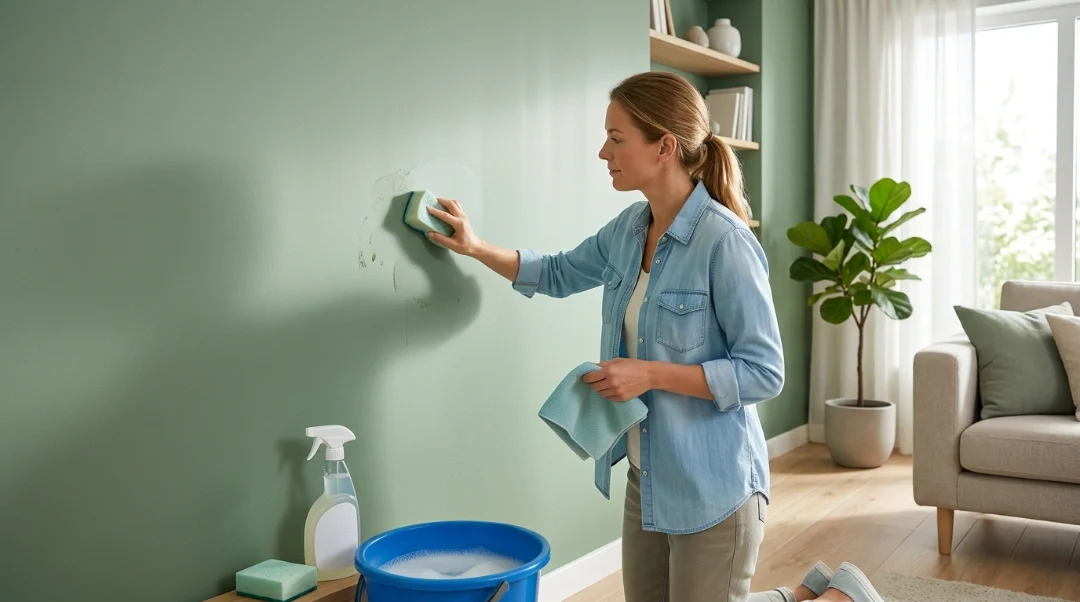
Step 3: Clean the Mold
Use a mold cleaning solution to clean the surface. You can use:
- a mixture of water and detergent
- a mold cleaner
- vinegar (for light mold)
If the mold is heavy or widespread, it may require professional help.
Step 4: Dry the Area Completely
After cleaning, make sure the wall is completely dry. Mold thrives in damp conditions. Drying is essential to stop mold from returning.
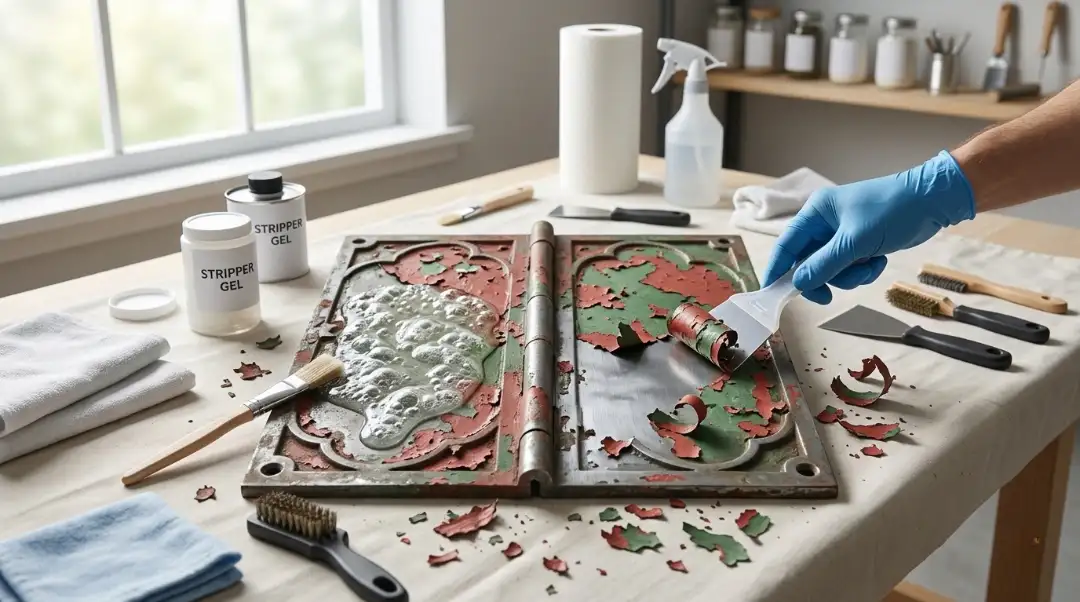
Step 5: Repair or Replace Damaged Material
If the drywall or wood is damaged, it may need to be replaced. Sometimes, mold grows deep into porous surfaces and cannot be fully cleaned.
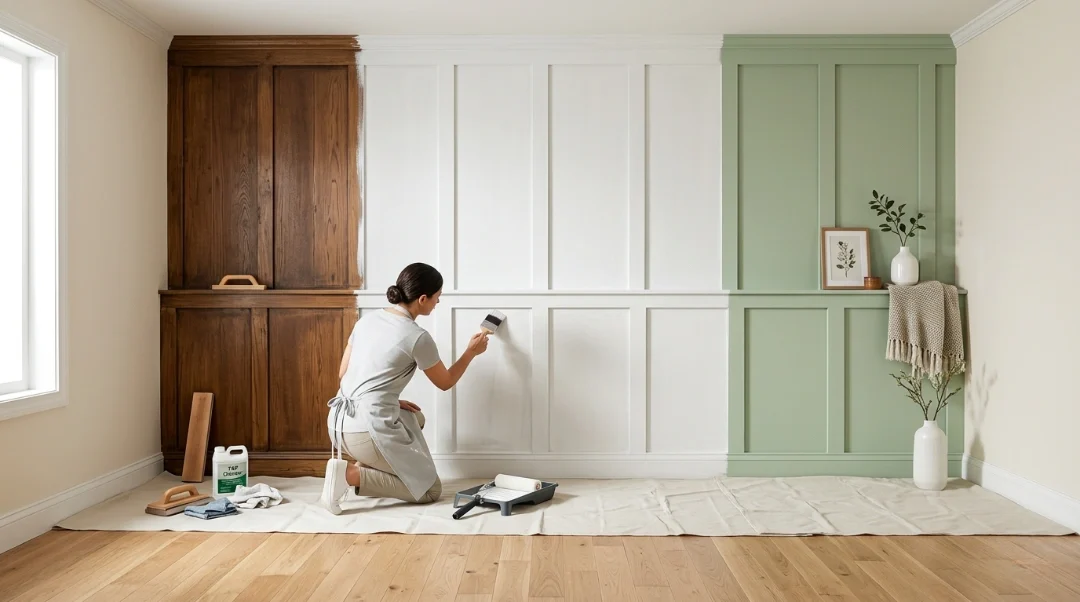
Step 6: Use the Right Primer
After the wall is clean and dry, use a mold-killing primer. This helps protect the wall and improves primer adhesion.
Step 7: Paint with Mold-Resistant Paint
If you want extra protection, use mold-resistant paint. This paint helps reduce mold growth in damp areas like bathrooms and basements.
Step 8: Maintain Ventilation
After painting, keep the room well ventilated. Use exhaust fans, open windows, or use a dehumidifier. This helps reduce moisture and prevents mold from returning.
Best Products and Materials
When dealing with mold, using the right products makes a big difference.
Mold Cleaning Solutions
Some good options include:
- mild detergent
- vinegar (for light mold)
- mold cleaners (store-bought)
- bleach (only in specific cases)
Important: Never mix bleach with ammonia or other chemicals. This can create dangerous fumes.
Mold Primer vs Regular Primer
A regular primer is not enough for mold-prone areas. You need a primer that:
- kills mold
- blocks mold spores
- improves paint adhesion
A mold primer is designed to stop mold from growing on the surface. This is why it’s better than a regular primer.
Mold-Resistant Paint
Mold-resistant paint contains ingredients that slow mold growth. It is useful in areas that get damp often, like:
- bathrooms
- basements
- laundry rooms
- kitchens
But remember: mold-resistant paint does not replace mold removal. It only helps prevent future mold.
Mold-Resistant Coatings
For extra protection, some homeowners use mold-resistant coatings. These are often used in high-humidity environments. They work well when combined with moisture control and good ventilation.
How to Prevent Mold After Painting
Preventing mold after painting is easier than dealing with it later. Here are the best prevention steps:
- Control Humidity: Keep indoor humidity between 30% and 50%. Use a dehumidifier if needed. High humidity causes mold growth.
- Improve Ventilation: Ventilation helps dry moisture quickly. Use exhaust fans in bathrooms and kitchens. Open windows when possible.
- Fix Leaks Quickly: If you see a leak, fix it right away. Even small leaks can cause mold growth over time.
- Use Mold-Resistant Materials: In areas prone to mold, use mold-resistant drywall or paint. These materials help reduce mold growth.
- Clean Regularly: Clean damp areas regularly. Mold spores can grow fast in wet areas. Keep surfaces dry.
- Monitor for Mold: Check areas like bathrooms, basements, and behind furniture. Mold often starts in hidden places.
How Do You Repaint After Mold Removal?
After mold removal, you can repaint safely by following these steps:
Step 1: Make Sure Mold Is Completely Removed
Do not paint if mold is still present. Make sure the surface is clean and mold-free.
Step 2: Use a Mold-Killing Primer
Apply a mold primer. This helps protect the wall and ensures the paint sticks well.
Step 3: Use Mold-Resistant Paint
After the primer dries, use mold-resistant paint. This helps prevent mold from returning.
Step 4: Apply 2 Coats
Two coats of paint provide better coverage and protection. This also helps the paint last longer.
Step 5: Keep the Area Dry
After painting, keep the area dry and ventilated. This is the best way to prevent mold from returning.
The Final Answer: Can You Paint Over Mold?
Yes, you can paint over mold, but you should not. Painting over mold is only a temporary cover-up. The mold will keep growing if the moisture problem is not fixed. It can cause paint peeling or bubbling, health issues, and damage to the wall.
The best solution is to follow mold remediation steps, remove the mold, fix the moisture source, and then repaint with the right products.
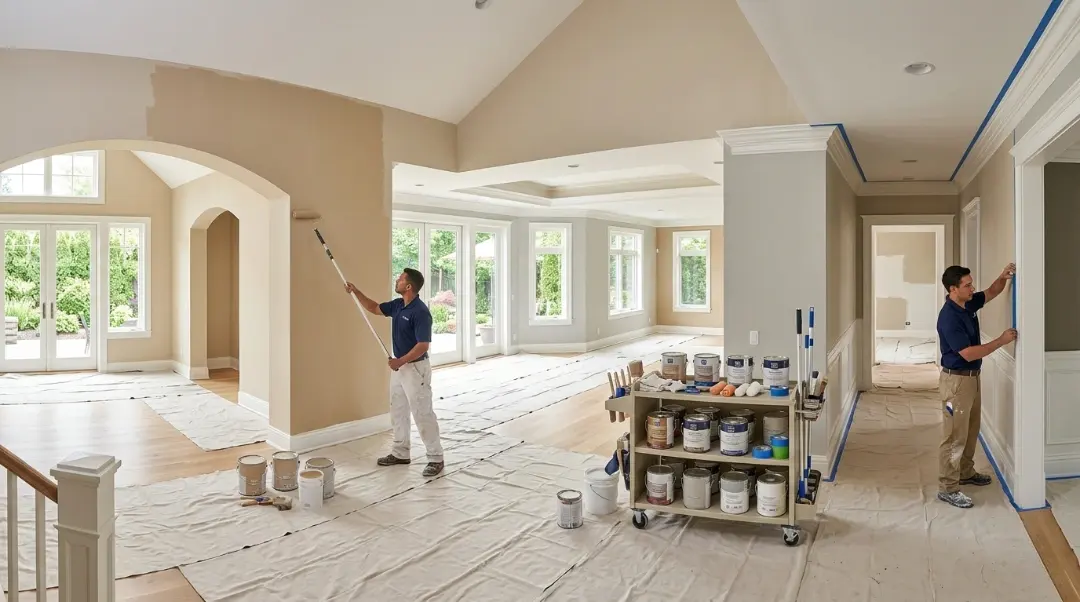
painting over moldIf you live in an area where mold is common, or you want a safe and reliable solution, you can reach out to a trusted local service like Inter Color Painting LLC. A professional can help you identify the cause and fix the problem correctly.
FAQs
Can I paint over mold?
You can, but you shouldn’t. Painting over mold only covers it up and does not fix the root problem.
Does painting over mold kill it?
No. Paint does not kill mold. It only hides it, and mold can continue growing under the paint.
How to clean mold from bathroom walls?
Use a mold cleaner or a mixture of water and detergent. Scrub the wall, rinse, dry completely, then fix moisture issues (ventilation or leaks).
What kills mold permanently?
Nothing kills mold permanently if moisture remains. The only permanent solution is to remove the mold and eliminate moisture.
What kills black mold instantly?
No product kills black mold instantly. Strong cleaners can remove surface mold, but the key is removing moisture and fixing the cause.
Does mold killing paint actually work?
It helps, but it’s not a full solution. Mold-killing paint prevents growth, but it does not remove existing mold.
Will repainting prevent mold from returning?
Not by itself. Repainting only helps if you also fix moisture, clean the mold, and use mold-resistant products.
Will mold go away if it dries out?
Mold may stop growing when dry, but it does not disappear. Spores can still be present and reactivate later.
Can air purifiers remove mold spores?
Some can reduce airborne mold spores, but they cannot remove mold growing on walls. You still need proper cleaning and moisture control.