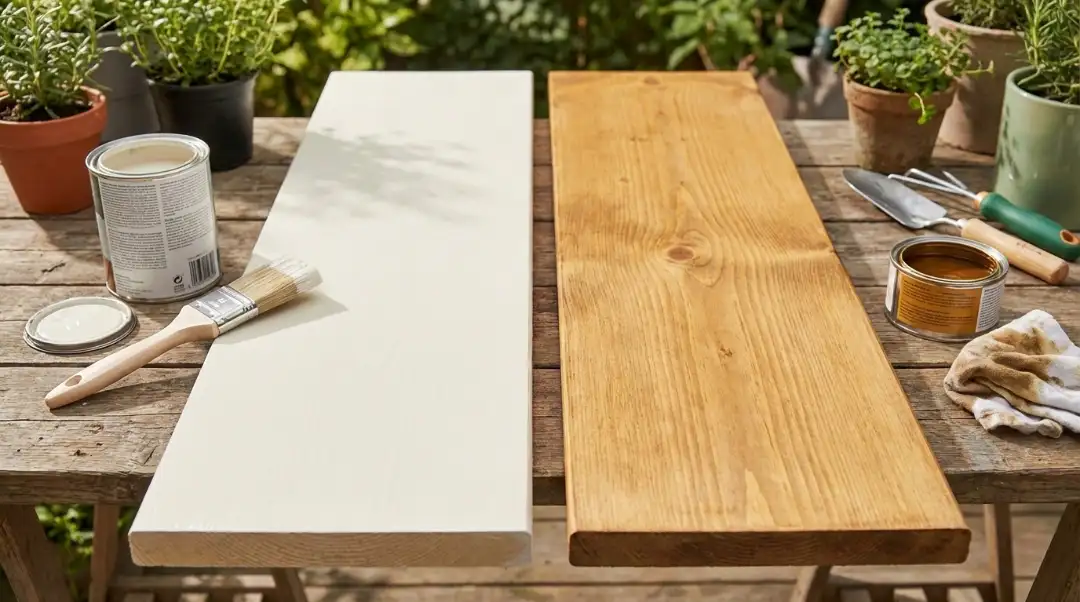
You stand in front of an old painted dresser, cabinet, or table that still feels solid but looks tired. The paint hides the wood’s character, and repainting feels like repeating the same mistake. Stripping everything down sounds exhausting. That moment usually leads to one question homeowners ask every day: Can You Put Stain Over Paint?
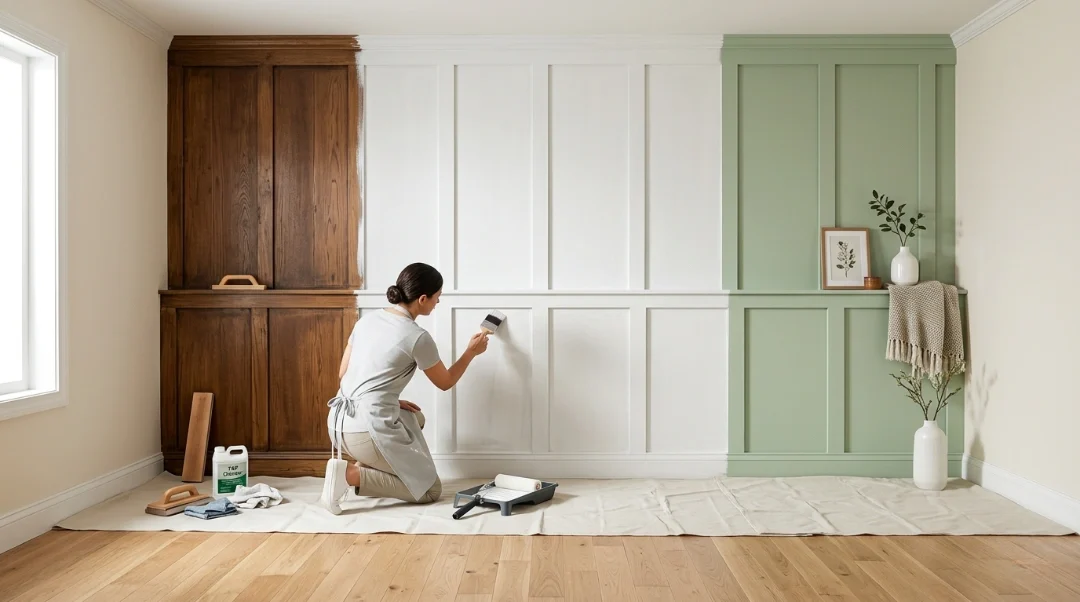
The short answer is yes. You can put stain over paint, and when done properly, it can transform painted wood into something richer and warmer without removing every layer of paint. The trick lies in choosing the right stain, preparing the surface correctly, and understanding what stain can and cannot do on painted wood. Gel stain, in particular, works best because it bonds to the surface instead of soaking in like traditional wood stain.
This guide walks you through the full process, from stain selection to long-term care. You’ll learn when staining over paint makes sense, how to avoid common failures, and whether a DIY approach fits your project or if professional help brings better results.
Stain Types Comparison
Not all stains behave the same way. Some rely on absorption into bare wood, while others cling to the surface. That difference determines success or failure when working over paint.
Water-based stain:
Water-based stains dry fast and clean up easily, but they rely on wood fibers to absorb pigment. On painted surfaces, they struggle to stick and often wipe away unevenly. This option works best on raw or lightly sealed wood, not paint.
Oil-based penetrating stain:
Traditional oil stain sinks deep into exposed grain. Since paint blocks absorption, this type fails to deliver consistent color on painted surfaces. It tends to slide, streak, or never fully cure.
Gel stain:
Gel stain has a thick consistency that stays on the surface instead of soaking in. This makes it the best option if you’re asking can you stain over paint without stripping. It creates a wood-like appearance even over sealed paint and allows better color control.
Solid stain:
Solid stain behaves more like tinted paint. It covers most of the surface while still allowing subtle texture to show through. Many homeowners ask about solid stain over paint, especially for decks and exterior wood, and it performs well with proper preparation.
Among all options, gel stain consistently delivers the best balance of adhesion, color depth, and control when working over painted wood.
Why Traditional Wood Stain Fails Over Paint
Understanding failure saves time and money.
Paint forms a sealed film. That film blocks pores in the wood. Regular stain depends on those pores. No pores mean no absorption.
When you apply standard wood stain over paint, one of three things happens:
- The stain wipes right off
- The color looks uneven and muddy
- The stain never dries properly
Manufacturers like Minwax and General Finishes clearly state that oil and water stains work on bare wood, not painted surfaces.This does not mean staining painted furniture stays impossible. It simply means you need the right product.
When and Why Stain Over Paint Makes Sense
Staining over paint fits real-world situations, not theory.
Good scenarios
- Painted cabinets with solid structure
- Furniture with multiple old paint layers
- Doors or trim with minor surface wear
- Wood damaged by humidity or seasonal moisture
In many parts of the USA, fluctuating weather and summer storms take a toll on painted wood. Moisture causes swelling, peeling, and dull finishes. Gel stain refreshes appearance without aggressive sanding.
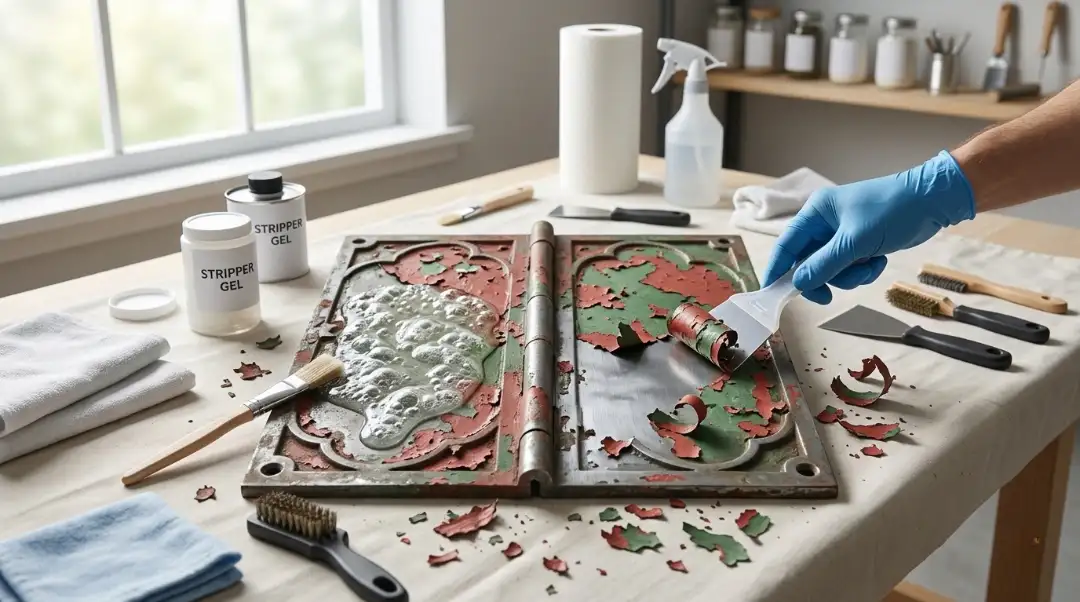
When paint removal makes more sense
- Heavy peeling
- Rot or water damage
- Chalky surfaces that crumble
Stain works best on stable paint, not failing paint.
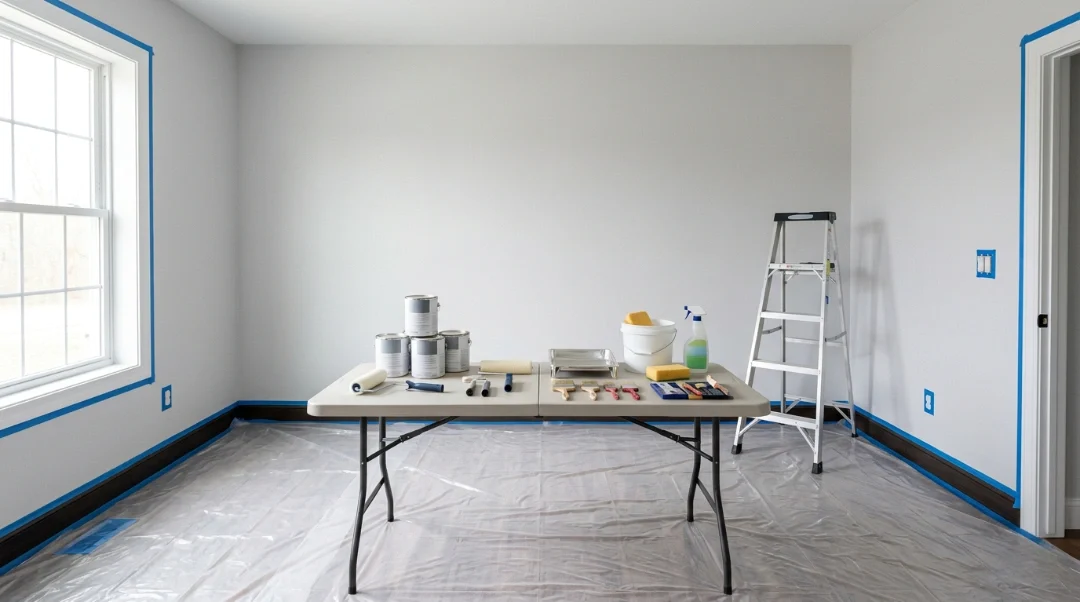
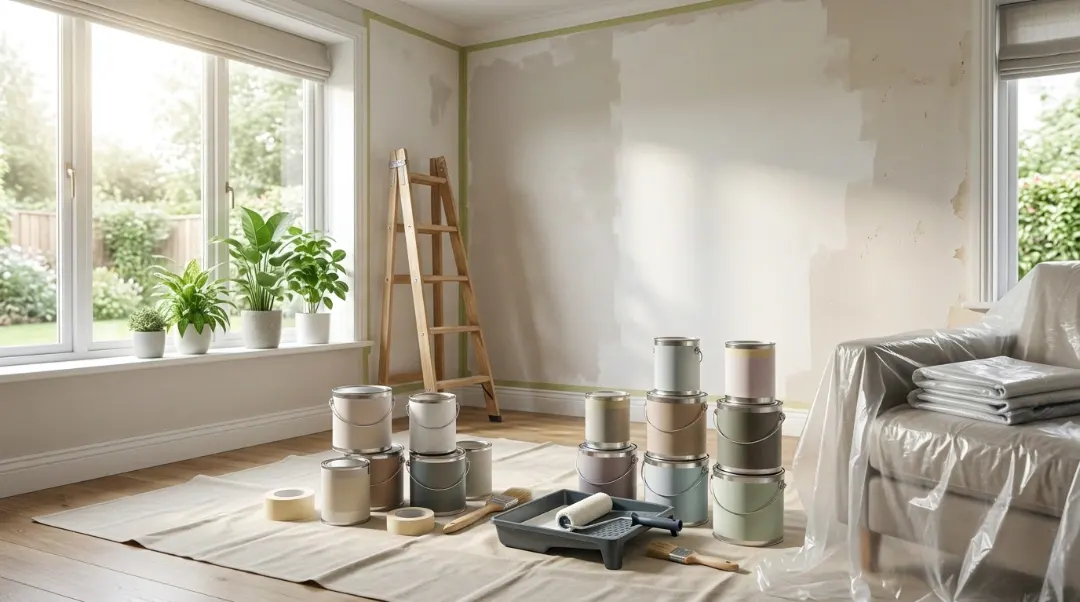
Tools and Materials You’ll Need
You don’t need fancy equipment. You need control.
- Gel stain (General Finishes or Minwax Gel Stain)
- Solid stain (only if you want full coverage)
- Mild degreaser or dish soap
- Clean lint-free rags
- 320-grit sandpaper
- Foam brush or staining pad
- Disposable gloves
- Clear protective topcoat (polyurethane or polycrylic)
Professionals avoid shortcuts here for a reason. Each item plays a role.
Step-by-Step: How to Put Stain Over Paint
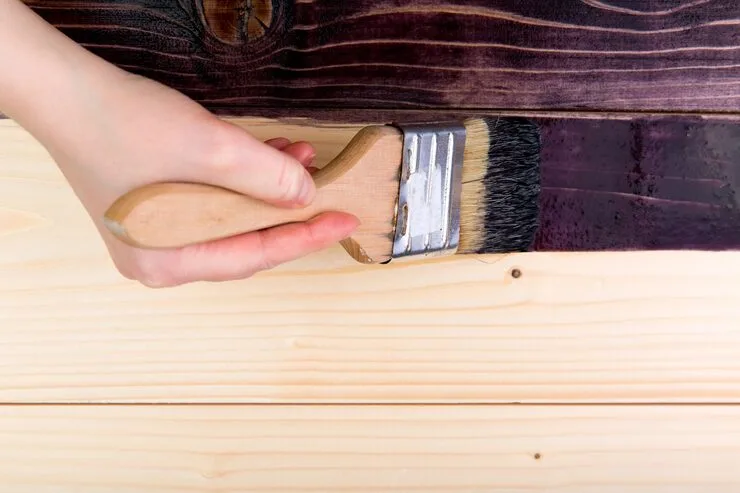
Step 1: Clean the surface
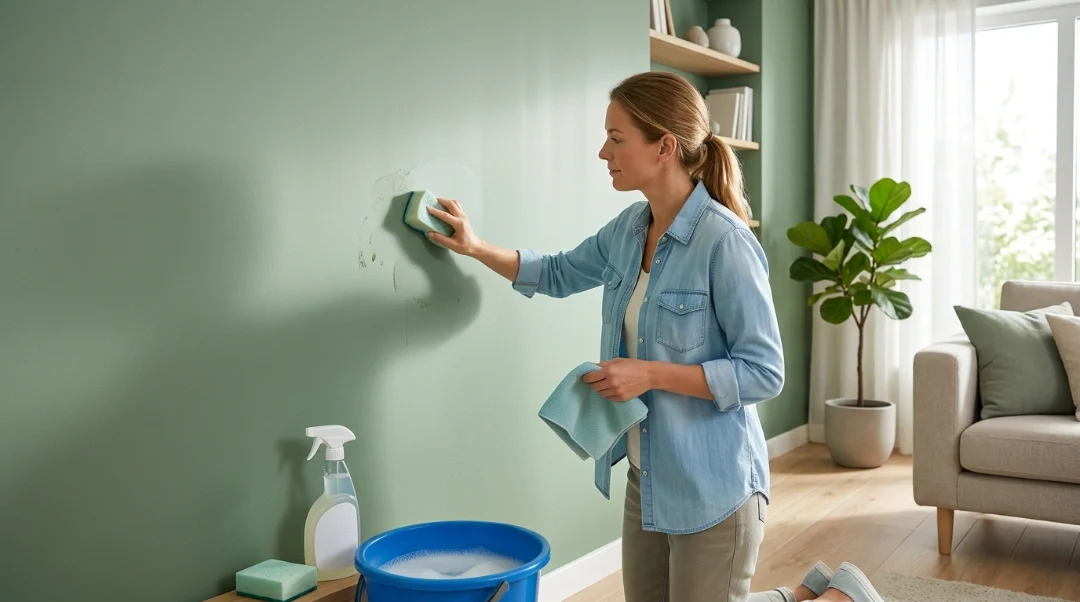
Grease blocks adhesion. Soap and water work for light dirt. Kitchens need degreaser. Let everything dry fully.
Step 2: Light sanding
Scuff sanding gives the stain grip. Use 320-grit, not coarse paper. You don’t remove paint. You only dull the shine.
Wipe away dust with a clean cloth.
Step 3: Test the stain
Test first. Always. Hidden areas save heartbreak.
Paint color affects stain tone. Dark paint deepens stain. Light paint softens it.
Step 4: Apply gel stain
Use a rag or foam brush. Work in small sections. Wipe in the direction of the grain if visible.
Let the stain sit for a minute, then wipe excess. This controls color depth.
Step 5: Second coat (optional)
Wait according to manufacturer instructions. Apply a second coat only if you want deeper color.
Step 6: Seal the finish
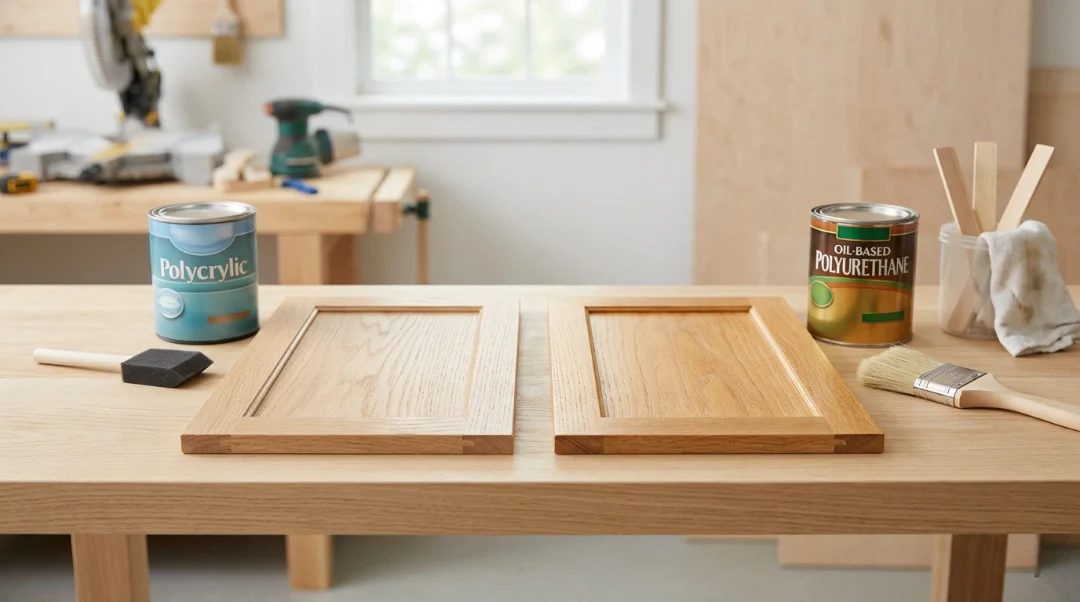
Seal with polyurethane or water-based polycrylic. This step protects the stain from wear and moisture.
Follow dry times exactly.
10 Pro Tips for Better Results
- Stir stain slowly. Shaking traps air.
- Wear gloves. Gel stain stains skin fast.
- Work horizontally when possible. Gravity causes lap marks.
- Use rags, not bristle brushes, for control.
- Keep humidity low while drying.
- Sand lightly between coats if needed.
- Avoid thick coats. Thin layers win.
- Label test samples with dry times.
- Seal within the recommended window.
- Stop early if the surface feels tacky.
Professionals follow these habits because experience taught them what failure looks like.
Common Mistakes & Fixes
Blotchy color usually comes from uneven sanding or applying too much stain at once. Light sanding and thinner coats fix this issue.
Poor adhesion often traces back to grease or glossy paint. Degreasing and scuff sanding solve the problem.
Sticky surfaces result from excess stain left behind. Wipe thoroughly and allow extra drying time.
Uneven tone happens when sections dry at different rates. Work in smaller areas and maintain steady application.
Weather & Maintenance for usa
Humidity and temperature play a role in how stain cures. In many U.S. regions, moisture slows drying and affects adhesion.
Work indoors or during dry weather when possible. Allow extra drying time during humid seasons. Clean stained surfaces gently and reseal when wear appears. With proper care, stained finishes last for years indoors.
DIY vs. Pro
DIY staining works well for small furniture pieces and low-risk projects. It allows flexibility and creative control.
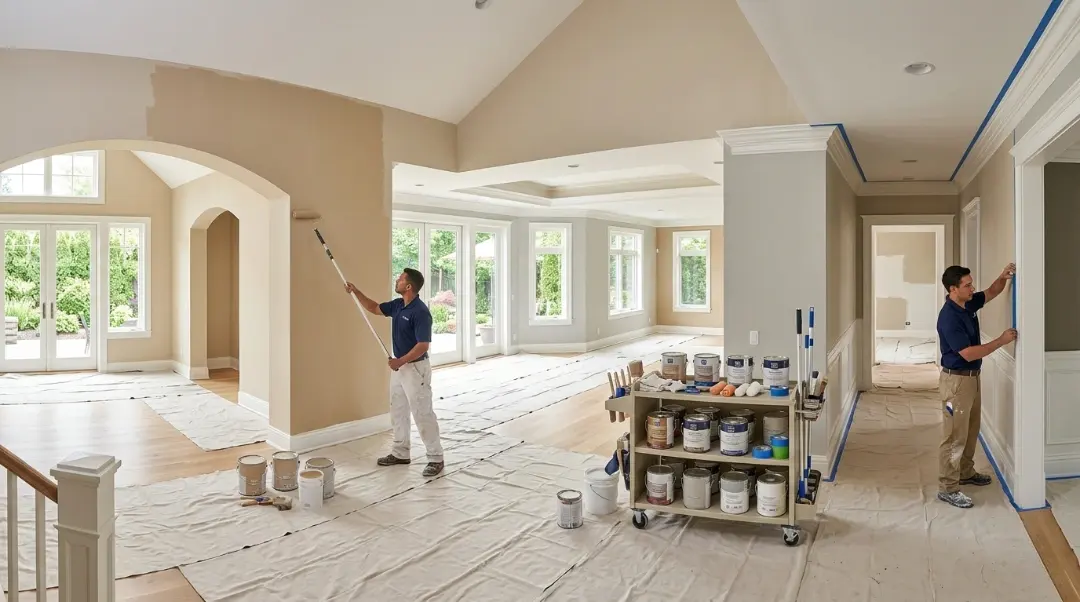
Larger projects like kitchens, built-ins, or high-use cabinets benefit from professional experience. Professionals handle prep, application consistency, and sealing for long-lasting results.
FAQs
Can you stain over paint without sanding?
Light sanding improves adhesion and helps prevent peeling.
Can you use wood stain over paint?
Traditional wood stain struggles over paint, while gel stain performs much better.
Can you stain painted cabinets dark?
Yes, gel stain can deepen color without stripping.
Can you put stain over paint on furniture?
Yes, especially with gel stain and proper sealing.
Can you stain over latex paint?
Yes, after cleaning and scuff sanding.
Can you apply solid stain over paint outdoors?
Yes, solid stain works well for exterior wood with prep.
Does stain peel off paint?
Only when prep is skipped or the surface stays greasy.
How long does gel stain last?
With sealing, it lasts several years indoors.
Conclusion & Next Steps
So, Can You Put Stain Over Paint? Yes and when done with the right stain, prep, and patience, it delivers a rich, updated look without stripping wood bare. Gel stain remains the most reliable choice for painted furniture and cabinets, while solid stain suits exterior surfaces.If your project feels bigger than a weekend task or you want results that last, working with experienced professionals makes sense. Homeowners searching for trusted Paint Services in Seattle can turn to Inter Color Painting LLC for expert preparation, durable finishes, and craftsmanship that respects the wood beneath the paint.