Oil paint brushes go through a lot. They get pushed into thick paint, dragged across canvas, and sometimes abandoned in jars “just for a minute” that turns into three days. Then we wonder why the bristles splay like a bad haircut. Cleaning oil paint brushes does not need mystery, harsh abuse, or secret formulas. It needs patience, the right products, and a little common sense.
Artists have cleaned brushes the same basic way for centuries. The materials changed slightly, safety knowledge improved, and better soaps entered the scene, yet the logic stayed steady. Remove excess paint, dissolve what remains, wash gently, then dry and store properly.This guide explains how to clean oil paint brushes using proven methods. You’ll learn how to rinse oil paint brushes, choose the right solvent, wash them without damage, and keep them usable for years. Expect practical advice, honest reasoning, and a few gentle laughs along the way.
Products You Can Use to Clean Oil Brushes
Cleaning brushes for oil painting works best when each product has a clear job. No product handles everything well on its own.
1. Paper Towels or Rags
Before any liquid touches your brush, wipe off excess paint. Professional brands like Winsor & Newton stress this step in their brush care guides. Less paint means less solvent, less mess, and longer brush life.
2. Solvents (Used Carefully)
Solvents dissolve oil paint fast. Common options include:
- Odorless Mineral Spirits (OMS)
Often recommended by Gamblin and Royal Talens for studio use. OMS removes paint well while reducing strong fumes. - Traditional Turpentine
Effective but strong-smelling and irritating for many people. Many artists now avoid it unless working in ventilated studios.
When asking what is the best solvent for cleaning oil paint brushes, most modern painters choose OMS due to lower odor and controlled refinement.
3. Drying Oils
Linseed oil, safflower oil, or walnut oil loosen paint without fumes. This method appears in many art school programs and manufacturer instructions.
Oil does not remove paint entirely on its own, but it lifts pigment from bristles gently.
4. Brush Soap or Mild Soap
Brush soaps finish the cleaning process. They remove leftover oil and reshape bristles.
Well-known brush soaps include:
- Masters Brush Cleaner (used by conservators and professionals)
- Winsor & Newton Brush Cleaner & Restorer
Plain, fragrance-free soap also works if it avoids conditioners.
How to Clean Oil Paint Brushes (Step-by-Step)
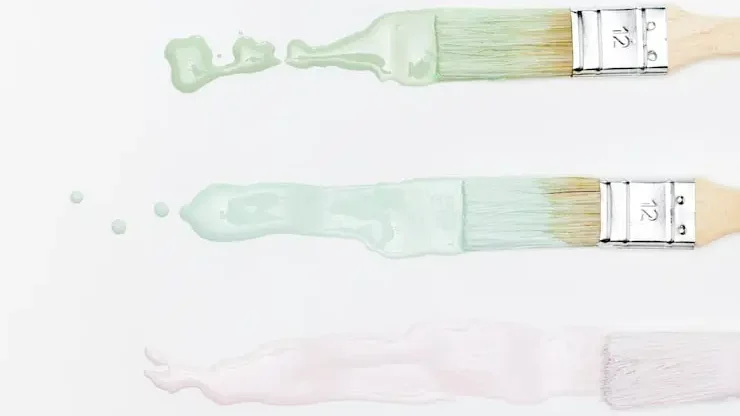
Let’s get into the nitty-gritty. This is the sequence you should follow every single time you put the palette away.
1. The Big Wipe
Don’t put a brush full of wet paint straight into your cleaner. Use a lint-free rag or a paper towel. Squeeze the bristles from the ferrule toward the tip. Get as much “bulk” paint out as possible. This keeps your cleaning solvent cleaner for longer.
2. How to Rinse Oil Paint Brushes
Now, dip the brush into your container of solvent. Don’t mash the brush against the bottom. If you have a brush washer with a wire coil at the bottom, gently rub the bristles against the coil. This helps the pigment settle at the bottom of the jar.
3. Washing Oil Paint Brushes with Soap
Once the brush looks mostly clean, move to the sink. You need a dedicated brush soap. Take the brush and swirl it in your palm with the soap and lukewarm water.
Pro Tip: If the foam turns the color of your paint, you aren’t done yet. Keep washing oil paint brushes until the suds stay white.
4. The Final Rinse
Rinse with clear water. Make sure no soap residue stays near the ferrule. If soap dries inside that metal neck, it will cause the bristles to splay out like a bad hair day.
Best Brush Soaps & Cleaners
Brush soap matters more than brand hype.
What Makes a Good Brush Soap
- Removes oil without drying bristles
- Leaves no residue
- Supports natural hair and synthetic fibers
Manufacturers like Winsor & Newton and Royal Talens recommend dedicated brush soaps because household detergents strip natural oils from hair brushes.
Popular Trusted Options
- Masters Brush Cleaner – Used by art restorers and instructors
- Winsor & Newton Brush Cleaner & Restorer – Effective for dried paint
- Mild Soap (Unscented) – Works in a pinch
Avoid soaps with conditioners. Soft hands do not equal happy brushes.
How to Dry and Store Brushes
Drying and storage decide how long brushes last.
Drying Rules That Save Brushes
- Lay flat or hang bristles down
- Never stand brushes upright while wet
- Keep them away from heat sources
Standing brushes upright while wet sends water into the ferrule. That leads to loose handles and shedding.
Storage That Makes Sense
Once dry, store brushes horizontally or upright with bristles facing up. Keep them dust-free. Many professionals use brush rolls or containers with airflow.
Oil paint brush care continues long after washing ends.
Common Mistakes & How To Fix Them
Even the pros make mistakes. Here are the most common “Oh No” moments and how to handle them.
Mistake 1: Leaving Brushes in Solvent
Leaving a brush sitting on its hair at the bottom of a jar of solvent will permanently curl the tips. This is called “hooking.” If this happens, try dipping the bristles in boiling water for 10 seconds and reshaping them. It’s a 50/50 shot, but it might save your $30 brush.
Mistake 2: Using Boiling Water for Washing
While a quick dip can fix a curl, never use boiling water for the actual clean oil paint brushes process. It can melt the glue inside the ferrule and cause the brush to “shed” all over your nice new paint job. Use lukewarm water.
Mistake 3: The “Rock Hard” Brush
We’ve all found a brush hiding in a corner three days after the job is done. It’s stiff as a board. Don’t throw it away!
- The Fix: Soak it in a specialized restorer. Some pros use a 24-hour soak in vinegar or a professional-grade brush restorer. After the soak, use a wire brush or a “brush comb” to gently scrape away the softened paint.
Extra Tips From Professional Practice
- Clean brushes after every session, even short ones
- Separate brushes by color families to reduce pigment buildup
- Use older brushes for heavy textures
- Deep clean once a month if painting often
These habits come straight from long-standing studio routines taught in art schools and workshops worldwide.
Conclusion
Learning how to wash oil paint brushes saves money, time, and frustration. Brushes respond well to calm handling and clear steps. Wipe first. Dissolve paint gently. Wash with soap. Dry correctly. Store with care.
No single product performs magic. The process matters more than brand names. Artists who respect their tools enjoy better control and fewer surprises mid-session.
Treat brushes like teammates, not disposable sticks. They remember how you treat them.
FAQs
How do you clean oil paint brushes without solvent?
Use drying oil like linseed or walnut oil to loosen paint. Wipe thoroughly, then wash with brush soap and lukewarm water. Many artists follow this method in small studios.
What is the best solvent for cleaning oil paint brushes?
Odorless mineral spirits remain the most widely recommended option by professional paint manufacturers due to lower fumes and consistent performance.
How often should you clean oil paint brushes?
Clean after every session. Even short breaks allow oil paint to stiffen and creep into the ferrule.
Can dried oil paint brushes be saved?
Often yes. Brush restorers from brands like Winsor & Newton soften dried paint. Success depends on how long the paint cured and how deep it traveled.
Is washing oil paint brushes with dish soap safe?
Plain, unscented soap works if it avoids degreasers and conditioners. Dedicated brush soap works better for long-term care.