Choosing the right paint for your interior walls sounds simple until you’re standing in a paint aisle staring at dozens of cans, finishes, and labels that all promise the “best results.” Flat, satin, semi-gloss, low-VOC, acrylic, late it quickly becomes overwhelming.
The truth is, using the wrong paint can lead to scuffed walls, peeling finishes, or rooms that don’t feel comfortable to live in. The good news? Once you understand how interior paints actually work and which ones suit your rooms you can make a confident, long-lasting choice.
This guide breaks everything down in plain English. By the end, you’ll know what type of paint for interior walls works best for your home, your lifestyle, and your budget without guesswork.
Table of Contents
ToggleTypes of Paint for Interior Walls
Before diving into finishes and colors, it’s important to understand the different types of paint available for interior use. Each paint type has its own strengths, weaknesses, and ideal applications.
1. Latex (Water-Based) Paint
Latex paint is the most popular choice for modern interiors and for good reason.
Why homeowners love it:
- Dries quickly
- Low odor
- Easy cleanup with soap and water
- Flexible and resistant to cracking
Latex paint works well for most living spaces, including bedrooms, living rooms, and ceilings. It’s also more environmentally friendly than oil-based options.
2. Acrylic Paint
Acrylic paint is technically a type of latex paint but with added acrylic resins that improve durability.
Best uses:
- Kitchens
- Bathrooms
- Laundry rooms
Because it resists moisture and mildew better than standard latex, acrylic paint is ideal for humid or high-use areas.
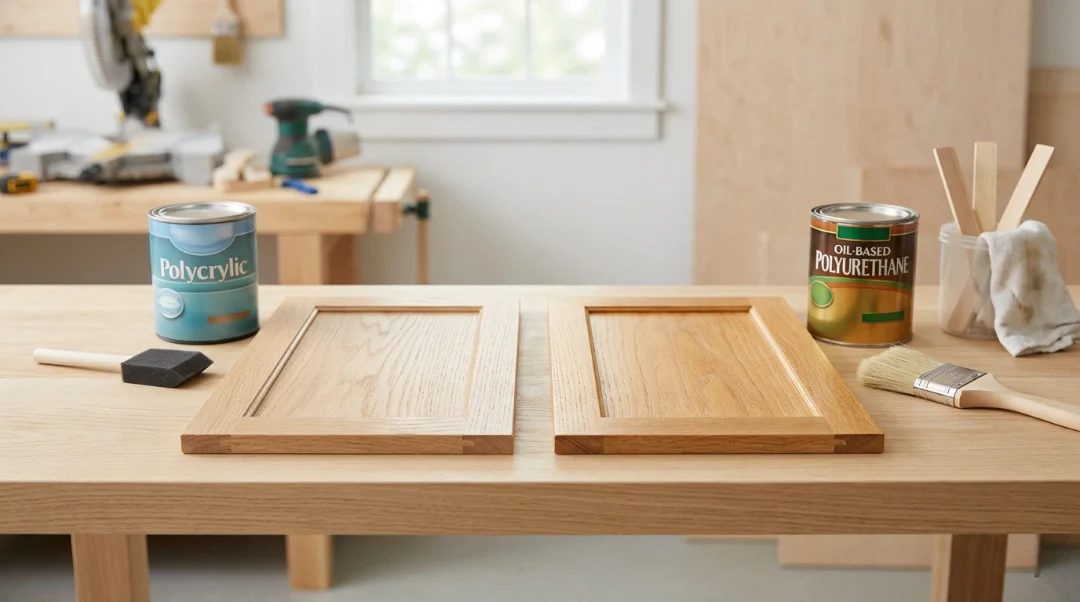
3. Oil-Based Paint
Oil-based paint creates a hard, durable finish, but it’s far less common for walls today.
Pros:
- Extremely durable
- Smooth finish
Cons:
- Strong odor
- Long drying time
- Requires mineral spirits for cleanup
Most professionals now reserve oil-based paint for trim, doors, and cabinets not full walls.
Understanding these paint types is the foundation for choosing the right solution for your home.
Paint Finishes Explained
Once you select a paint type, the next big decision is the finish. Paint finishes for walls affect appearance, durability, and how easy the surface is to clean.
Flat / Matte Finish
A common question is: is flat paint good for walls? The answer depends on the space.
Best for:
- Ceilings
- Adult bedrooms
- Low-traffic rooms
Flat paint hides surface imperfections well but stains easily and isn’t washable. It’s visually soft but not very durable.
Eggshell Finish
Eggshell is slightly more durable than flat and has a subtle sheen.
Best for:
- Living rooms
- Dining rooms
It offers a nice balance between appearance and maintenance.
Satin Finish
Satin is one of the most versatile interior paint finishes.
Best for:
- Hallways
- Kids’ rooms
- Family rooms
When comparing flat vs satin paint, satin clearly wins in durability and washability, though it may show wall flaws more easily.
Semi-Gloss Finish
Understanding the difference between satin and semi gloss is important. Semi-gloss reflects more light and is tougher.
Best for:
- Kitchens
- Bathrooms
- Trim and doors
It’s easy to clean and resists moisture but highlights surface imperfections.
High-Gloss Finish
Often compared in the semi gloss vs high gloss debate, high-gloss is the shiniest and most durable.
Best for:
- Cabinets
- Accent trim
It’s rarely used on full walls due to its reflective nature.
Choosing the right wall paint finishes is just as important as choosing the right color.
Best Paint Type for Each Room
Different rooms have different demands. Here’s how professionals typically recommend painting each space.
Bedrooms
Use latex paint with an eggshell or satin finish. For better sleep quality, opt for low-VOC options.
Living Rooms
Latex paint with a satin finish works well here. It’s durable enough for daily life while still looking elegant.
Kitchens
Kitchens need paint that can handle grease, moisture, and frequent cleaning. Acrylic paint with a semi-gloss finish is ideal.
Bathrooms
Humidity is the main concern. Mold-resistant acrylic paint in satin or semi-gloss performs best.
Hallways & Staircases
These high-traffic areas benefit from satin finishes that resist scuffs and fingerprints.
Matching paint types and finishes to room function is one of the easiest ways to extend the life of your walls.
Low-VOC & Eco-Friendly Paints
Modern homeowners care about more than just appearance they care about health. Low-VOC and zero-VOC paints have become a top choice in recent years.
Why VOCs matter:
- Can cause headaches and respiratory irritation
- Contribute to indoor air pollution
Low-VOC paints are safer for children, pets, and anyone with allergies. Many premium brands now offer eco-friendly options without sacrificing durability or color quality.
If indoor air quality is a priority, always check labels and certifications before buying.
Cost Comparison
Paint costs vary based on quality, finish, and brand.
| Paint Type | Average Cost per Gallon | Lifespan |
| Latex | $30–$60 | 5–7 years |
| Acrylic | $40–$70 | 6–8 years |
| Oil-Based | $50–$90 | 8–10 years |
Cheaper paint may save money upfront but often requires more coats and frequent repainting. Investing in quality paint usually pays off long-term.
Common Mistakes to Avoid
Even good paint can fail if used incorrectly. Here are mistakes professionals see all the time:
- Choosing flat paint for high-traffic areas
- Ignoring moisture resistance in bathrooms
- Skipping primer
- Not testing samples in different lighting
- Using the wrong finish for wall condition
Avoiding these errors can save you time, money, and frustration.
How to Choose the Right Interior Paint
When deciding what type of paint for interior walls suits your home, ask yourself:
- How much traffic does the room get?
- Will the walls need frequent cleaning?
- Is moisture an issue?
- Do I want a soft or reflective look?
Combining the right paint type with the right finish leads to walls that look better and last longer.
If you’re unsure, consulting a professional can prevent costly mistakes.
Conclusion
Choosing interior paint doesn’t have to be complicated. By understanding paint types, finishes, room needs, and health considerations, you can make a decision that looks great and performs well for years.
If you want expert guidance or flawless results, Seattle Painting Expert is here to help. Our professional Interior Painting Services in Seattle are designed to match the right paint with the right space so you don’t have to second-guess your choice.
FAQs
What type of paint is best for interior walls overall?
Latex paint with a satin or eggshell finish works best for most homes due to durability and easy maintenance.
Is flat paint good for walls?
Flat paint is good for low-traffic areas but not ideal for spaces that need frequent cleaning.
What’s the difference between satin and semi gloss?
Satin has a softer sheen and hides imperfections better, while semi-gloss is more durable and moisture-resistant.
Which paint finish is easiest to clean?
Semi-gloss and high-gloss finishes are the easiest to clean.
Are low-VOC paints worth it?
Yes, especially for homes with children, pets, or people with allergies.