It seems easy to pick a paint color for a brick house, but it’s not. Every brick surface has a natural texture, distinct undertones, and decades of history. Because of this, many homeowners are afraid to pick up a paintbrush. And the question “What Color Should I Paint My Brick House?” becomes a surprisingly important one, especially since it can change the look of your property, its worth, and its whole personality.
This guide can help you choose the right hue, whether it’s classic red brick, warm brown brick, or a lighter neutral tone. You’ll learn how to tell what color your bricks are, pick colors that look both modern and classic, avoid the most common blunders, and figure out if painting your bricks is even a good idea for your home.
Painting Brick Houses: A Modern Renaissance
Why is everyone suddenly painting their bricks? People thought that brick was a “sacred” substance that shouldn’t be touched for many years. But as architectural styles changed to the Modern Farmhouse, Transitional, and Soft Contemporary designs, the stiff aspect of traditional red or brown brick started to clash with the need for cleaner, brighter looks.
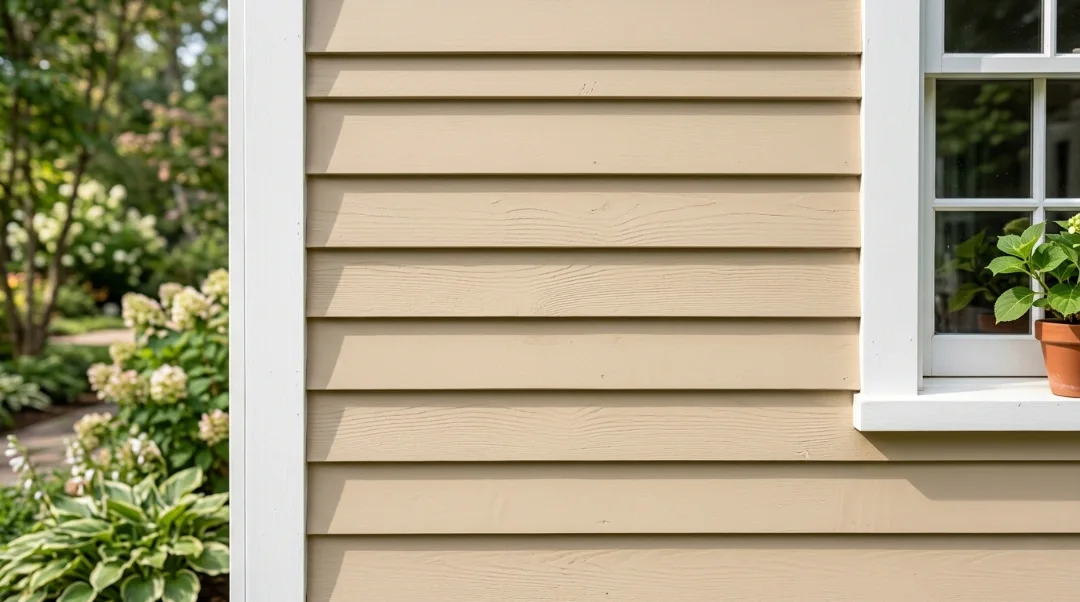
You can’t get the same texture with vinyl siding or stucco as you can with painted brick homes. You can maintain the wonderful, ancient texture of brick when you paint it. The bumps, grooves, and character are still there, but the visual cacophony is gone. It makes a monochrome background that makes other things, like your shutters, front door, and landscaping, stand out.
Identify Your Brick Type First
We need to get technical for a minute before we start daydreaming about “Swiss Coffee” or “Tricorn Black.” Not all bricks are the same, so it’s important to know what you’re working with if you want the paint job to look well and last a long time.
The Texture: Wire-Cut vs. Tumbled
Run your hand over your brick. Is it rough with deep crevices (wire-cut), or is it relatively smooth and rounded (tumbled/sand-faced)?
- Rough Textures: These absorb more light and cast tiny shadows. This means painted brick house colors will appear slightly darker and more “matte” on rough brick than they do on a smooth sample card. You may need to go one shade lighter to get the look you want.
- Smooth Textures: These reflect more light. Glossy or satin finishes can look plastic-like on smooth brick. Stick to flat or matte masonry paints for a high-end look.
2. The Porosity
Historic bricks are often softer and more porous than modern bricks. If you have an older home, you must use a “breathable” masonry paint or a mineral-based lime wash. Standard acrylic latex can trap moisture inside old soft brick, causing the face of the brick to spall over time.
3. The Current Color
Are you covering deep red, dark brown, or a pale yellow? If you are transitioning from a very dark brick to a white painted brick, you are looking at significant prep work and high-quality primer requirements. This isn’t just about color; it’s about coverage.
Which Paint Color Will You Choose For Your Brick House?
It’s not enough to just pick a color you like in the store. Colors on the outside act quite differently than colors on the inside. Colors look 2 to 3 shades lighter and brighter in natural sunlight than they do inside.Here is the Seattle Painting Experts 3-Step Framework to narrow down your choices:
Analyze the Fixed Elements
You cannot change your roof, your driveway, or your neighbor’s house. These are your fixed constraints.
- Brown/Tan Roof: Avoid cool grays or stark whites. They will clash. Stick to warm creamy whites (like SW Alabaster) or warm greiges.
- Black/Gray Roof: You have more freedom. Cool whites, stark blacks, blues, and greens all work beautifully.
- The Driveway: A red paver driveway might clash with a cool blue house. Look for exterior brick and paint color combinations that harmonize with the hardscaping.
Consider the Undertones
Every neutral color has an undertone blue, green, pink, or yellow.
- North-Facing Homes: Receive cool, blueish indirect light. Avoid grays with heavy blue undertones, or your house will look icy. warm up the exterior with creamy or taupe-based whites.
- South-Facing Homes: Receive intense, warm direct sunlight. This can turn a “cream” into “yellow.” Stick to more neutral or slightly cooler tones to balance the sun’s warmth.
Best Paint Colors for Brick Houses
Now, let’s get to the specific recommendations. We have categorized these to help you navigate the vast sea of options. These are tried-and-true colors that we see performing well in various lighting conditions.
The Perfect Whites
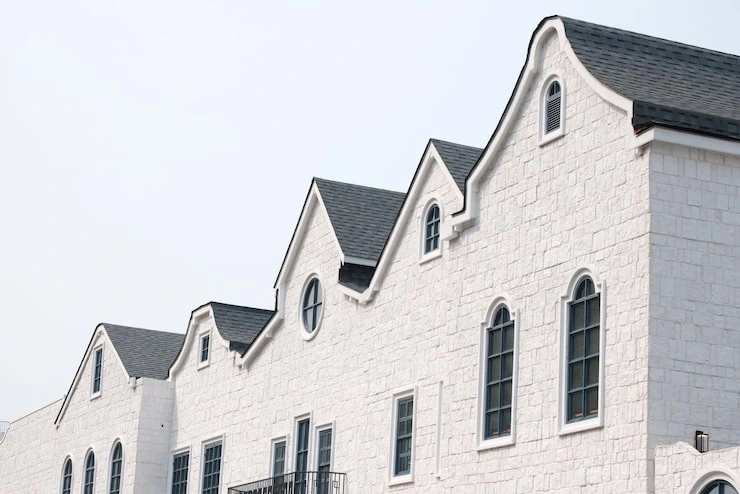
White painted brick is timeless. It feels clean, crisp, and high-end.
- Sherwin Williams Alabaster (SW 7008): This is arguably the most popular exterior white. It is creamy without being yellow. It works perfectly on painted brick exteriors because it softens the harshness of the masonry. It pairs beautifully with dark bronze or black windows.
- Benjamin Moore White Dove (OC-17): A cult classic. It has a tiny touch of gray/yellow that makes it feel soft and welcoming. It glows in the evening light and is less stark than a pure white.
- Sherwin Williams Shoji White (SW 7042): If Alabaster feels too bright for you, try Shoji White. It borders on a very light greige. It adds a sense of age and history to the home, making it look like it’s been there forever.
The Greiges and Taupes
If you are afraid of white getting dirty but don’t want a dark house, “Greige” (Gray + Beige) is your answer. These make for stunning grey brick homes that feel warm and earthy.
- Benjamin Moore Revere Pewter (HC-172): Often called the perfect neutral. On exterior brick, it reads as a warm, light gray that bridges the gap between traditional and modern. It looks fantastic with white trim and black shutters.
- Sherwin Williams Repose Gray (SW 7015): A cooler, cleaner gray that doesn’t turn blue. It’s perfect for modernizing 1990s brick homes. It creates a sleek, sophisticated backdrop for landscaping.
- Sherwin Williams Accessible Beige (SW 7036): If your roof has brown tones, this is your safe haven. It is definitely beige, but it lacks the pinky undertone that dates many tan houses. It feels organic and grounded.
The Moody Darks
Dark exteriors are trending heavily. They make a house look smaller visually but much more substantial and expensive.
- Sherwin Williams Iron Ore (SW 7069): Not quite black, not quite gray. It’s a soft charcoal that looks incredible on mid-century modern brick homes or small bungalows. It makes greenery and wood accents pop like crazy.
- Benjamin Moore Hale Navy (HC-154): A deep, classic navy blue. This is a fantastic alternative to black or gray. It feels nautical and preppy but distinctly elegant on brick textures.
- Sherwin Williams Urbane Bronze (SW 7048): This color is a rich, brownish-gray. It feels very “nature-inspired.” If your house is surrounded by trees, this color anchors the home into the landscape beautifully.
Colors for Red Brick
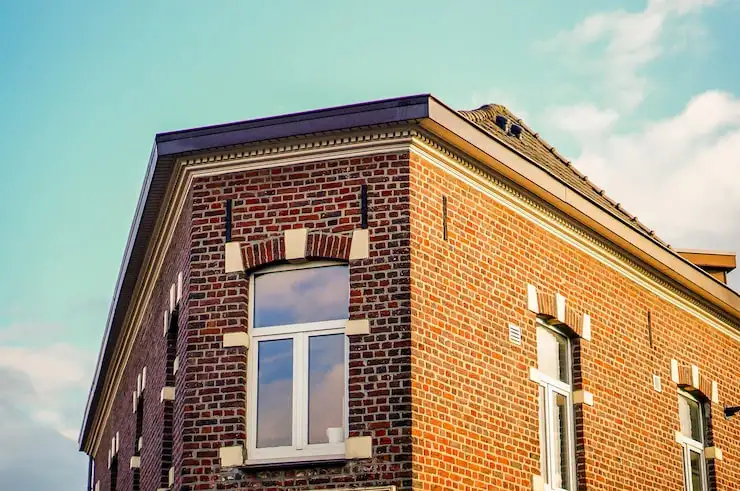
Sometimes, the answer to ” what color should i paint my red brick house ” is actually to complement the red, not cover it. Or, you might choose a color for the siding/trim that works with the existing brick.
- Sage Greens: Soft, earthy greens are the complementary color to red on the color wheel. They tone down the redness of the brick and make the home feel like an English cottage.
- Charcoal Blue: If you are keeping the red brick but painting the siding or shutters, a deep charcoal blue creates a striking, high-contrast industrial look.
Is Painting Your Brick House a Good Idea? Pros and Cons Explained
You have the colors picked out, but let’s pause and make sure this is the right decision for your property. Searching for “what color should i paint my brick house” implies you are ready, but understanding the trade-offs is part of being a responsible homeowner.
The Pros
- Massive Curb Appeal: Nothing transforms a home faster. It can take a house from “dated fix-upper” to “neighborhood gem” in one week.
- Increased Protection: High-quality masonry paint acts as a sealant (if applied correctly), protecting the brick and mortar from wind, rain, and frost erosion.
- Easy Cleaning: Painted brick is often easier to power wash (on a low setting) than raw, porous brick which traps dirt and mildew deep in the pores.
- Modernization: It allows you to fit into modern design trends without expensive structural changes.
The Cons
- Maintenance is Forever: Once you paint brick, you cannot easily go back. You are signing up for a maintenance cycle of repainting every 10-15 years.
- Moisture Risks: As mentioned earlier, if you use the wrong paint on damp or damaged brick, you can trap moisture inside. This leads to paint peeling and brick crumbling.
- Hidden Issues: Paint hides structural cracks. While this makes the house look better, it can also mask issues that need repair until they become serious problems.
- Permanence: Removing paint from brick is incredibly difficult, expensive, and often damages the brick face. This is a one-way street.
Common Mistakes to Avoid
We see a lot of people become really excited about painting their bricks, only to wish they hadn’t done it later. This is how to stay away from the most typical mistakes.
Not cleaning the Efflorescence
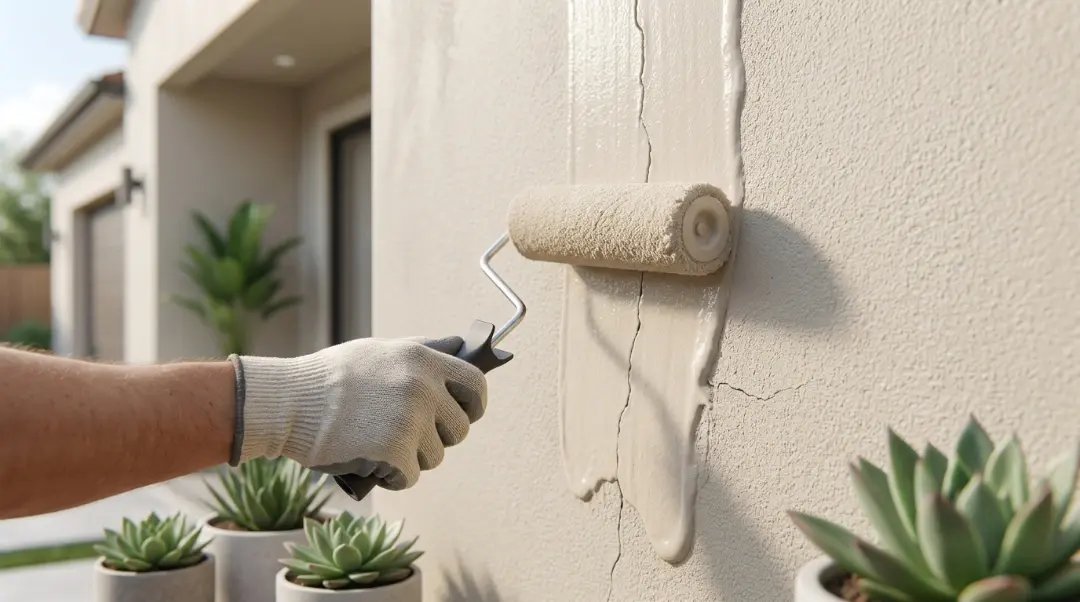
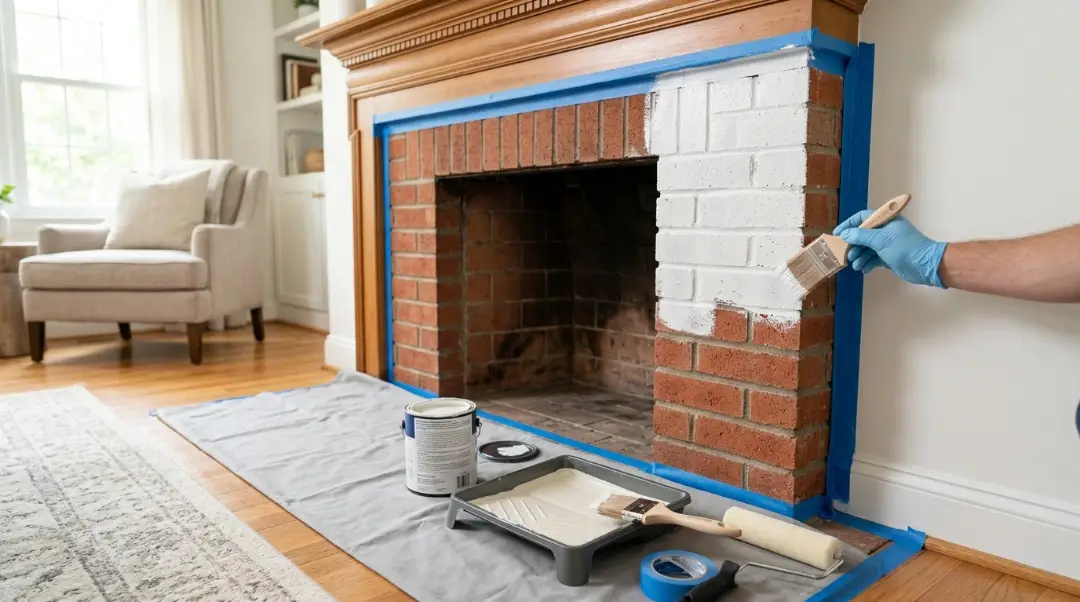
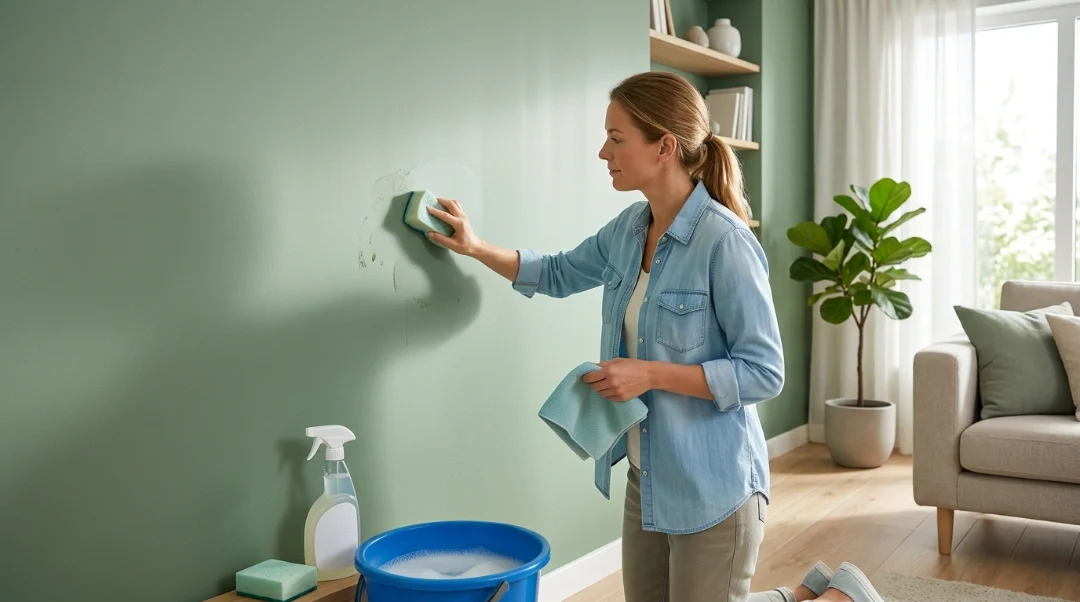
Have you ever noticed white, chalky powder on bricks? That is efflorescence, which is salt deposits. The paint will bubble and come off in a few months if you paint over it. Before you prime the brick, you need to clean it well with a special masonry cleaner and allow it dry fully.
Not paying attention to the Primer
Brick needs water. If you put topcoat on raw brick, the brick will soak up the water from the paint, making it look blotchy and weak. You need to use a primer made just for masonry, like Loxon, that sticks to the stonework and makes a sealed surface for the color.
“Spalling” Brick Painting
If your brick is already falling apart or the mortar is missing, painting it is like putting a band-aid on a broken leg. Before you paint the home, you need to fix the mortar (tuckpointing) and replace any bricks that are broken.
Checking Colors on White Paper
Do not put a piece of white paper on your brick. The white paper plays with your eyes. You can either paint a big 4×4-foot patch of the brick (in a place that isn’t very visible) or paint a big board and stand it up against the brick, the roof, and the trim. Look at it in the morning, noon, and night.
Not remembering the gutters and downspouts
The gutters really stand out when you paint a brick house. If your gutters aren’t copper or a color that stands out on purpose, paint them the same color as the trim or the body of the house so they blend in.
Conclusion
Picking a color for your brick house takes both creativity and practical knowledge. The change will be amazing, whether you like the clean brightness of white painted brick, the dramatic elegance of gray, or the rustic appeal of a limewash. The best color is one that makes you smile every time you come into your driveway. To get that look, you need to use the correct materials and approach for the type of brickwork your home has.
Professionals who know how to work with brick and are well prepared for the job will get the best results. Seattle Painting Experts offers reliable house painting services in Seattle. These services maintain and improve your most valuable asset. We can make your dream come true and offer your home an outside that you’ll appreciate for a long time.
FAQs
Is it a bad idea to paint a brick house?
Not necessarily, but it is a permanent decision. Painting brick can modernize a home and protect the masonry, but it requires ongoing maintenance. If you love the texture of brick but hate the color, painting is a great solution. If you want zero maintenance, leaving it raw is better.
What is the most popular color for painted brick homes in 2025?
Creamy off-whites (like SW Alabaster) and warm greiges (like SW Agreeable Gray) remain the top choices for houses with painted bricks. However, dark charcoals and “soft blacks” are rapidly gaining popularity for a modern aesthetic.
Do I need special paint for brick?
Yes. You should look for high-quality masonry paint or “elastomeric” paint. These are designed to expand and contract with the brick as temperatures change, preventing cracks. Alternatively, mineral-based Limewash is excellent for a breathable, old-world look.
Can I paint over red brick without it bleeding through?
Yes, but you need the right primer. A high-quality masonry primer will block the dark red tones and prevent them from changing the hue of your topcoat. For exterior paint with red brick coverage, plan on two coats of paint after priming.
How much does it cost to paint a brick house?
The cost varies wildly by size and location, but generally, painting a brick home is more expensive than painting wood siding because of the prep work and the amount of paint the porous brick absorbs. Professional estimates typically range from $3.50 to $6.00 per square foot.