When you’re in the paint aisle and see all the choices, it’s tempting to ask yourself, “Can I use exterior paint inside?” After all, paint for the outside of a house is known for being durable, lasting a long time, and standing up to bad weather. It seems like a good idea, especially since you already have extra gallons in the garage. Before you put your roller into that outdoor latex paint, though, you need to know what truly occurs when you use exterior paint on inside surfaces and why pros usually don’t recommend it.
This book tells you everything you need to know, from the health risks to what to do if you accidentally apply exterior paint indoors. You will also discover the main distinctions between interior and exterior paint, when it is okay to only use a little bit of it, and how to rectify the problem if you have already used the wrong sort of coating.
Why You Should Not Use Exterior Paint Inside
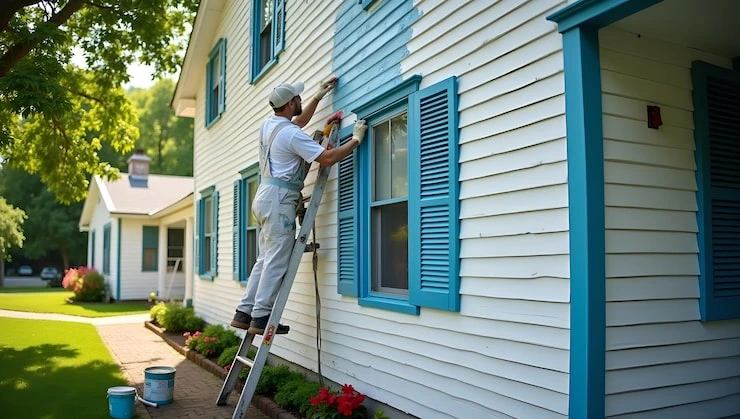
Exterior paint is made to last, defend against UV rays, and stand up to adverse weather. It should be able to handle strong sunlight, rain, frost, and mold. To get this level of protection, makers utilize stronger chemicals and resins that last longer.
These substances work great outside, but they can cause big problems when you bring them inside.
1. Stronger Fumes and Higher VOC Levels
Exterior paints typically contain higher VOC (Volatile Organic Compounds) than interior paints. These compounds off-gas more aggressively and for a longer period.
Indoors, that means:
- Lingering chemical smells
- Headaches or dizziness
- Respiratory irritation
- Indoor air pollution
- Unsafe conditions for kids, pets, and individuals with allergies or asthma
Interior paint is specifically formulated to dry with minimal off-gassing. Exterior paint is not.
2. Exterior Paint Never Fully Cures Indoors
Exterior coatings rely on sunlight and fresh air to cure properly. Inside, without consistent airflow or UV exposure, the paint film can remain soft or tacky for an unusually long time.
This leads to:
- Surfaces attracting dust
- Paint feeling gummy or sticky
- Smearing when touched
- Premature failure
3. Difficult to Clean and Maintain
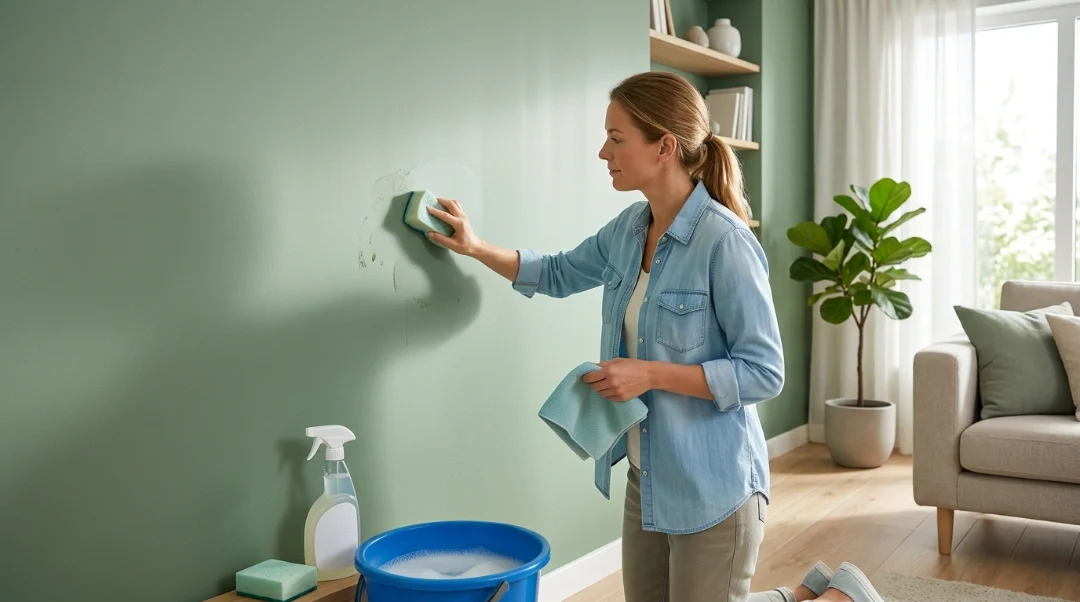
Exterior paint is flexible, rubbery, and formulated to expand and contract with changing weather conditions. Indoors, this flexibility becomes a disadvantage.
It may:
- Mark easily
- Scuff when cleaned
- Peel in high-touch areas
- Become glossy or patchy over time
4. Promotes Indoor Odor Buildup
The scent lasts much longer in an inside space because outside paint is made to let fumes out into the open air. Even days later, the smell can still be too much to handle, especially in bedrooms, offices, or small living spaces.
5. Not Compliant With Indoor Safety Standards
People can safely apply interior paints in rooms that are occupied. Not for outside. Using external paint inside may not be good for the air quality inside.
For these reasons, can exterior paint be used indoors? Yes, technically, but it should never be used indoors where people spend a lot of time.
What to Do If You Used Exterior Paint Inside
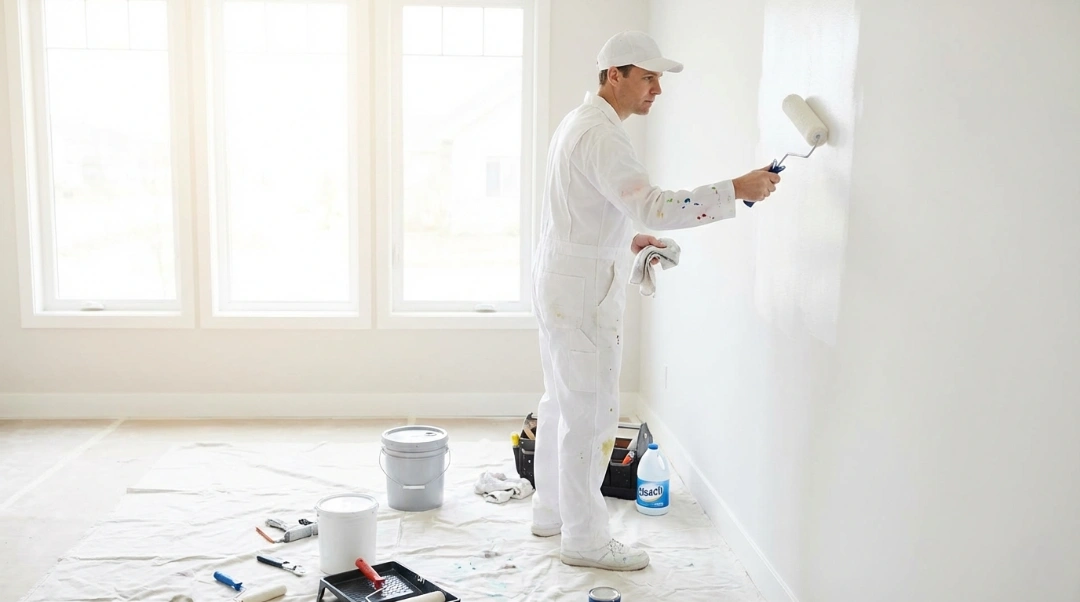
If you’re reading this thinking, “I accidentally used exterior paint inside now what?” don’t panic. Many homeowners make this mistake, especially when leftover outdoor paint seems like a convenient option. Here’s how to handle the situation efficiently and safely.
1. Improve Ventilation Immediately
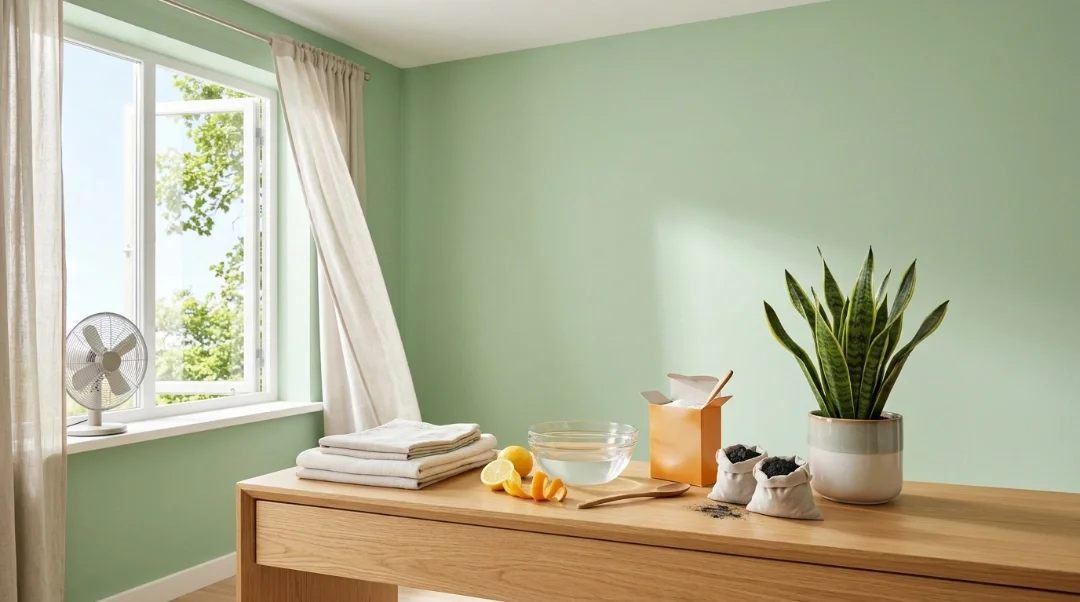
Open all windows and doors. Use fans to push fumes outside. Do this for several days, or until odors fade significantly.
2. Allow the Paint to Cure Fully
Even though exterior paint cures poorly indoors, give it time. Keep the room unused if possible until the surface feels dry and no longer gives off strong fumes.
3. Seal It With a High-Quality Primer
If the room still smells or you’re worried about long-term exposure, apply a stain-blocking, odor-blocking primer over the surface.
This helps:
- Reduce VOCs
- Prevent further off-gassing
- Create a safe barrier
- Prepare the wall for interior paint
4. Repaint Using Interior Paint
Once the primer has fully dried, apply two coats of interior paint to completely seal the exterior product beneath it.
This is the safest and most effective long-term fix.
5. Remove and Repaint (Only in Severe Cases)
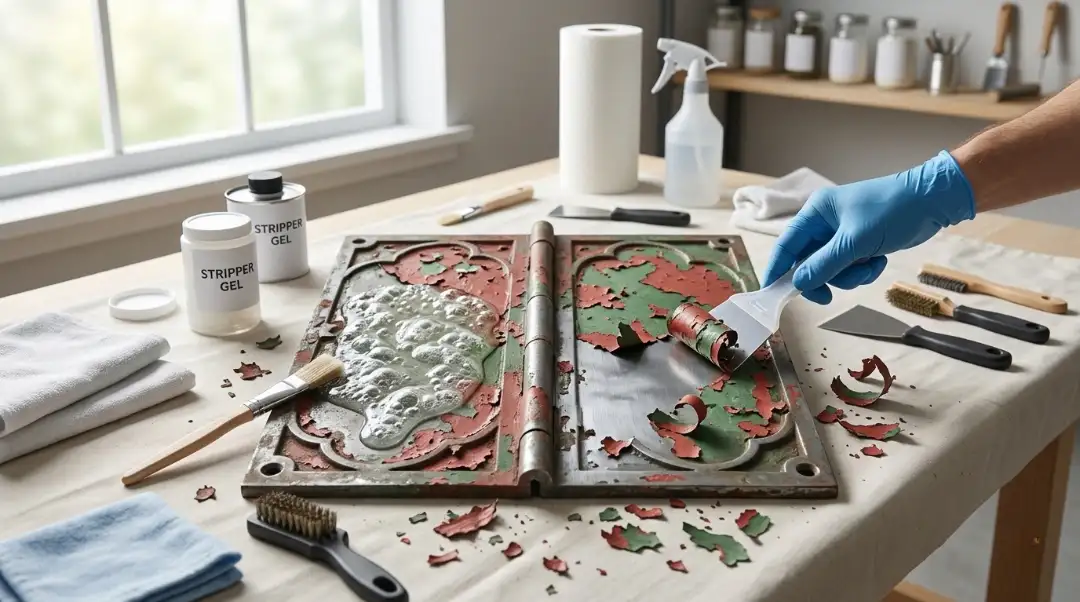
If the paint is extremely fresh or the smell is overwhelming, you may need to strip the paint and start over. This is rarely necessary, but it may be recommended for:
- Baby nurseries
- Medical-sensitive environments
- Small rooms without windows
Considerations When Using Exterior Paint Inside Your Property
Although interior spaces are not built for exterior paint, there are a few special circumstances where using exterior paint indoors may be acceptable, typically in unoccupied, non-living environments.
1. Garages and Workshops
Large, ventilated spaces where you’re not spending extended periods may tolerate outdoor paint better.
2. Enclosed Porches or Sunrooms
If these areas receive a good amount of sunlight and airflow, exterior paint might make sense.
3. Sheds, Utility Rooms, or Detached Structures
Spaces outside the main living area often use exterior paints to handle moisture and temperature swings.
Exterior vs. Interior Paint
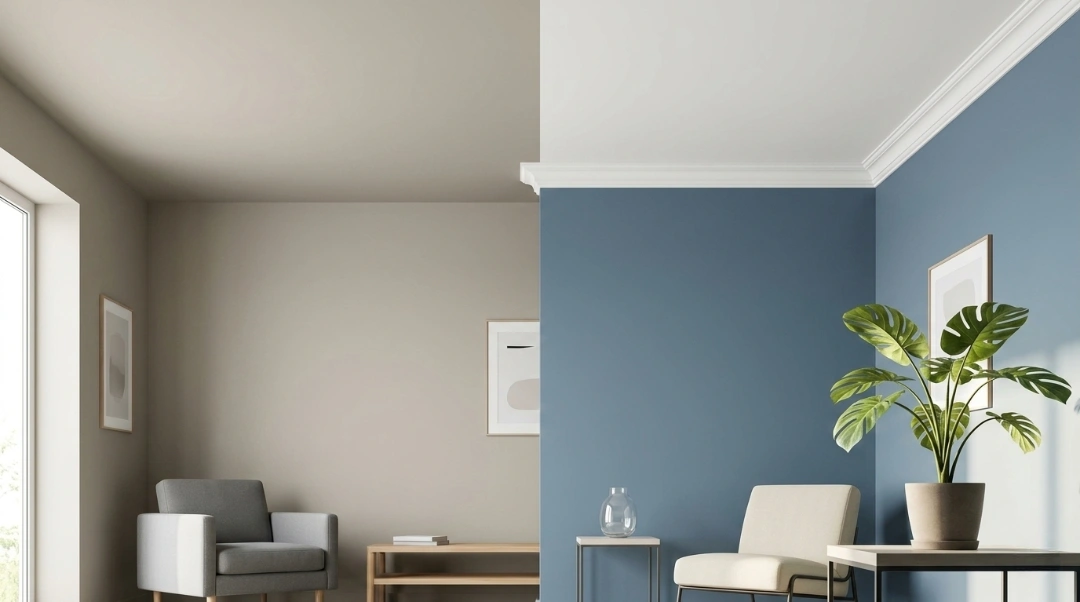
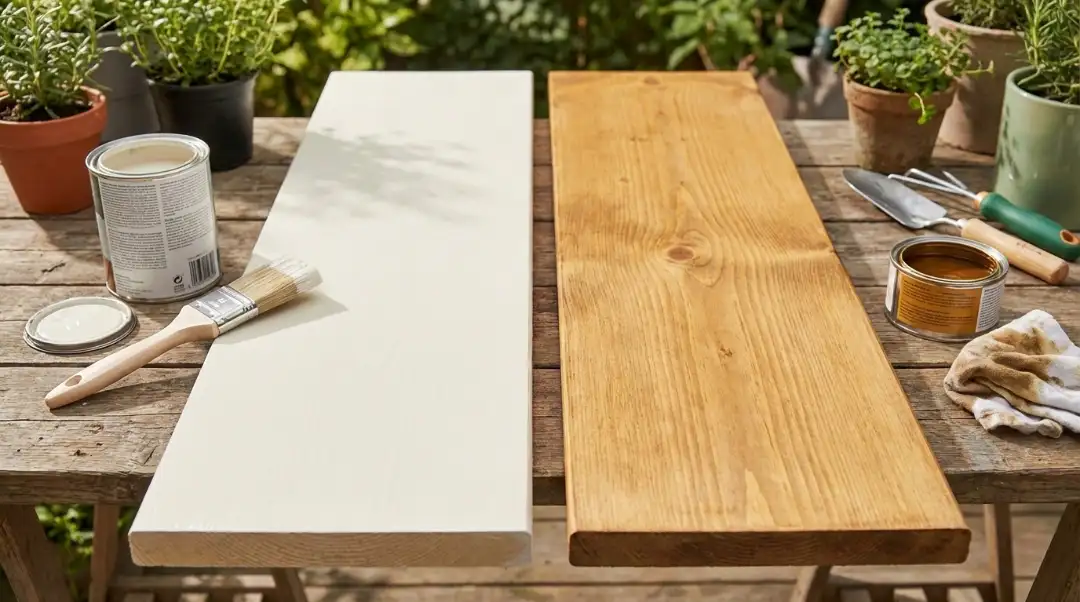
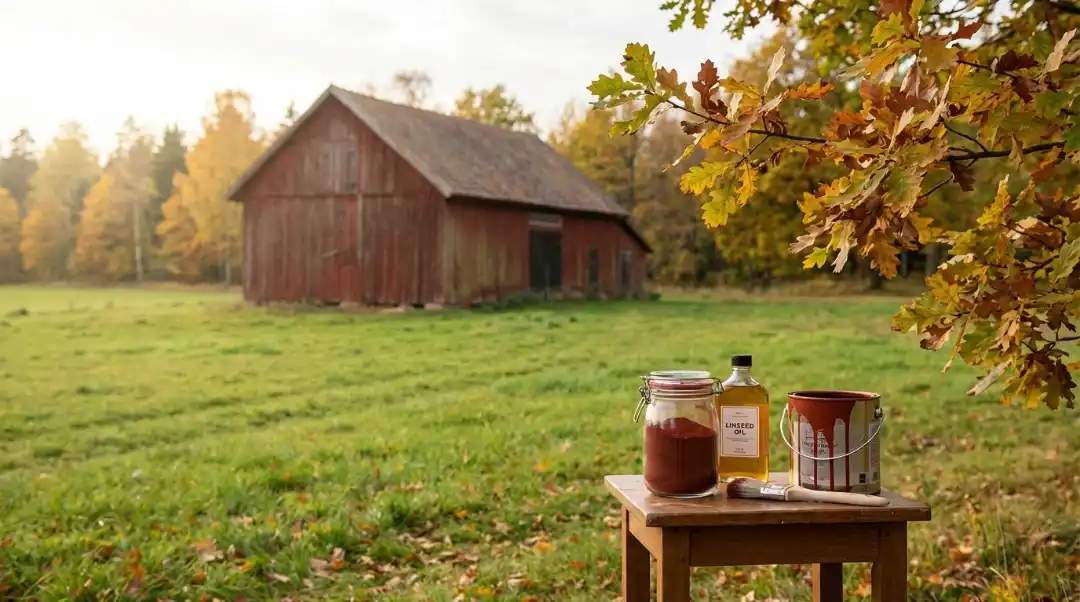
Exterior and interior paint may look the same on the outside, but their formulae are made for very different places. Exterior paint is made to last in extreme weather, like strong sunlight, UV rays, rain, cold temperatures, and continual expansion and contraction. Manufacturers utilize softer, more flexible resins and stronger chemicals that don’t fade, mildew, or get wet to make sure their products last. These components function great outside, but they can be an issue inside because they don’t need to be flexible and higher chemical levels can make the air quality worse.
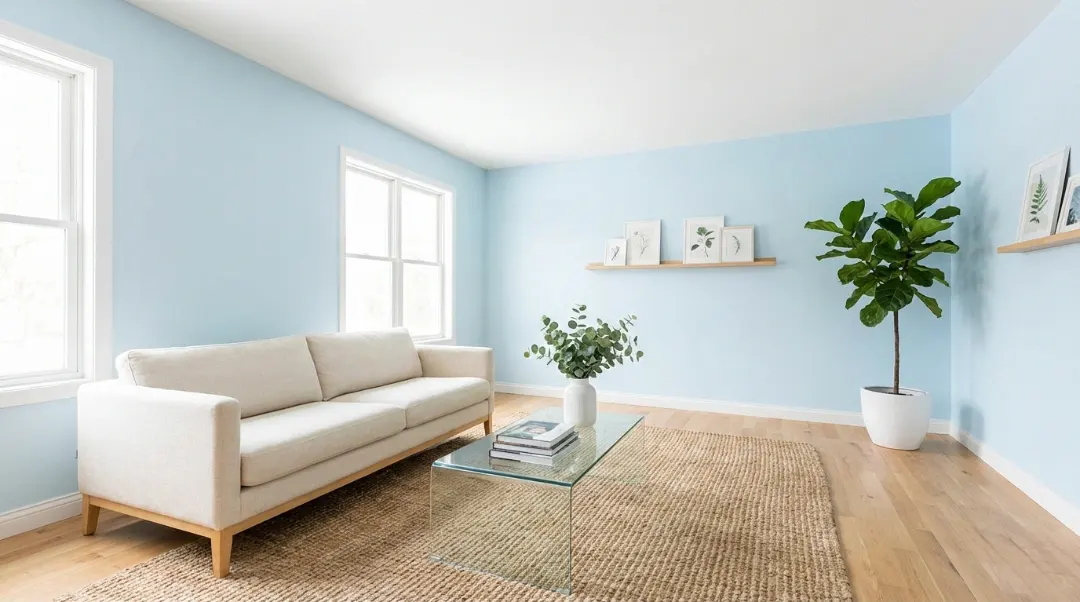
On the other hand, interior paint is meant to be comfortable, not smell bad, and be safe to use every day in a home. It uses tougher resins that can handle being cleaned, wiped, and touched a lot. Even though it’s not meant to be used outside, this makes interior paint last longer in everyday life. Interior paints contain pigments that make the color and coverage smoother, whereas exterior paints focus on being fade-resistant. Another big difference is the amounts of VOCs. For healthy indoor living, interior paints come in low-VOC and zero-VOC alternatives. Exterior paints, on the other hand, don’t have to satisfy those same criteria.
Some people ask if they may mix paint for the inside and outside of their homes to have the best of both worlds. The truth is that mixing them makes a coating that doesn’t work as well and doesn’t fulfill safety standards for either location. To sum up, interior paint is made for inside environments that are safe for breathing and good for your health. Exterior paint, on the other hand, is made to be strong and weatherproof, not to be used inside your home.
Conclusion
So, can you paint the inside of your house using paint made for the outside? Using leftover resources in a method that seems like a shortcut or a smart way to do it is almost never a good idea. Exterior paints are made to stand up to harsh temperatures, direct sunlight, and wetness. They are not made to protect your family or improve the air quality inside.
Don’t worry if you’ve already made the error of putting outside paint inside. You can correct it by opening windows, priming, and painting over it again. And if you want results that look clean, last longer, and help keep your home healthy, it’s always best to choose paints made just for indoor usage.
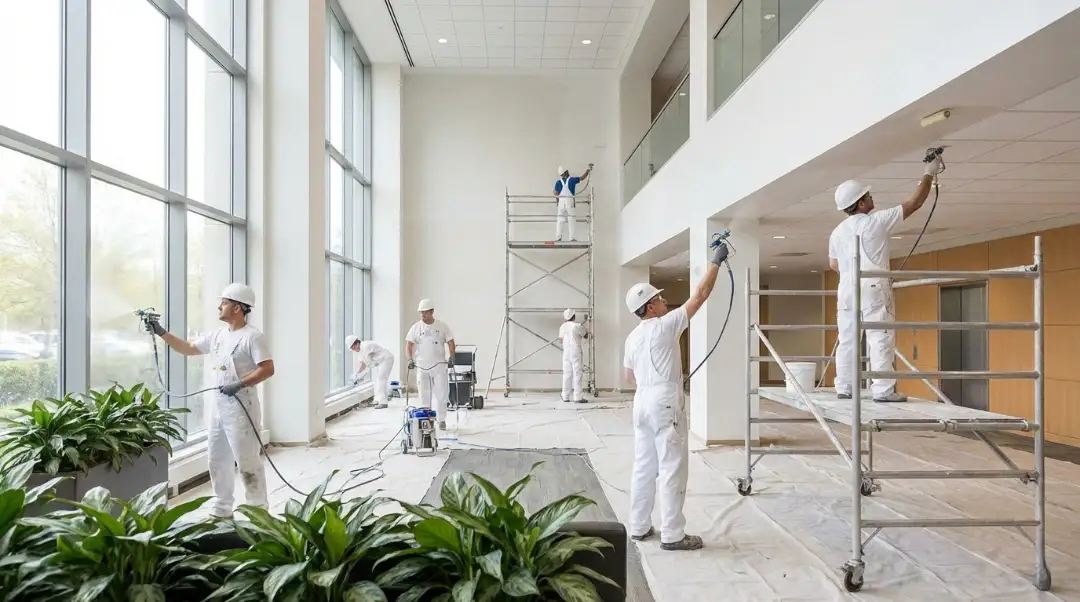
Intercolor Painting, LLC is always there for you if you need professional help, individualized advice, or high-quality interior painting. If you live nearby and need reliable professionals, check out our Interior Painting Services Seattle to make sure your property gets the safest and most beautiful finish possible.
FAQs
Why is it unsafe to use exterior paint inside?
Exterior paints produce stronger fumes and higher VOC emissions, which can be harmful when released in enclosed spaces.
How can I get rid of the fumes after using exterior paint indoors?
Increase ventilation, use fans, and consider sealing the walls with primer before repainting with interior paint.
Can exterior paint be used indoors in small amounts?
Only in limited, ventilated spaces like garages or sheds not in living areas.
Is outdoor latex paint safer than oil-based exterior paint indoors?
Outdoor latex paint is slightly safer than oil-based formulas, but it still contains additives not intended for indoor use.
Can you mix exterior paint with interior paint to make it safe?
No, mixing the two creates an unstable product that won’t perform correctly in any environment.